Recovery is one of the most important stages of any hair transplant journey. While the procedure itself is carefully planned by experienced surgeons, the healing process plays a major role in achieving healthy, natural-looking results. Patients often have questions about what happens after surgery, how long recovery takes, and what they should do to protect their newly transplanted hair.
Understanding each stage of healing helps set realistic expectations and allows patients to follow the right aftercare routine. Whether you are considering treatment or have recently undergone surgery, knowing what to expect during recovery can make the experience much smoother.
Understanding the Recovery Process
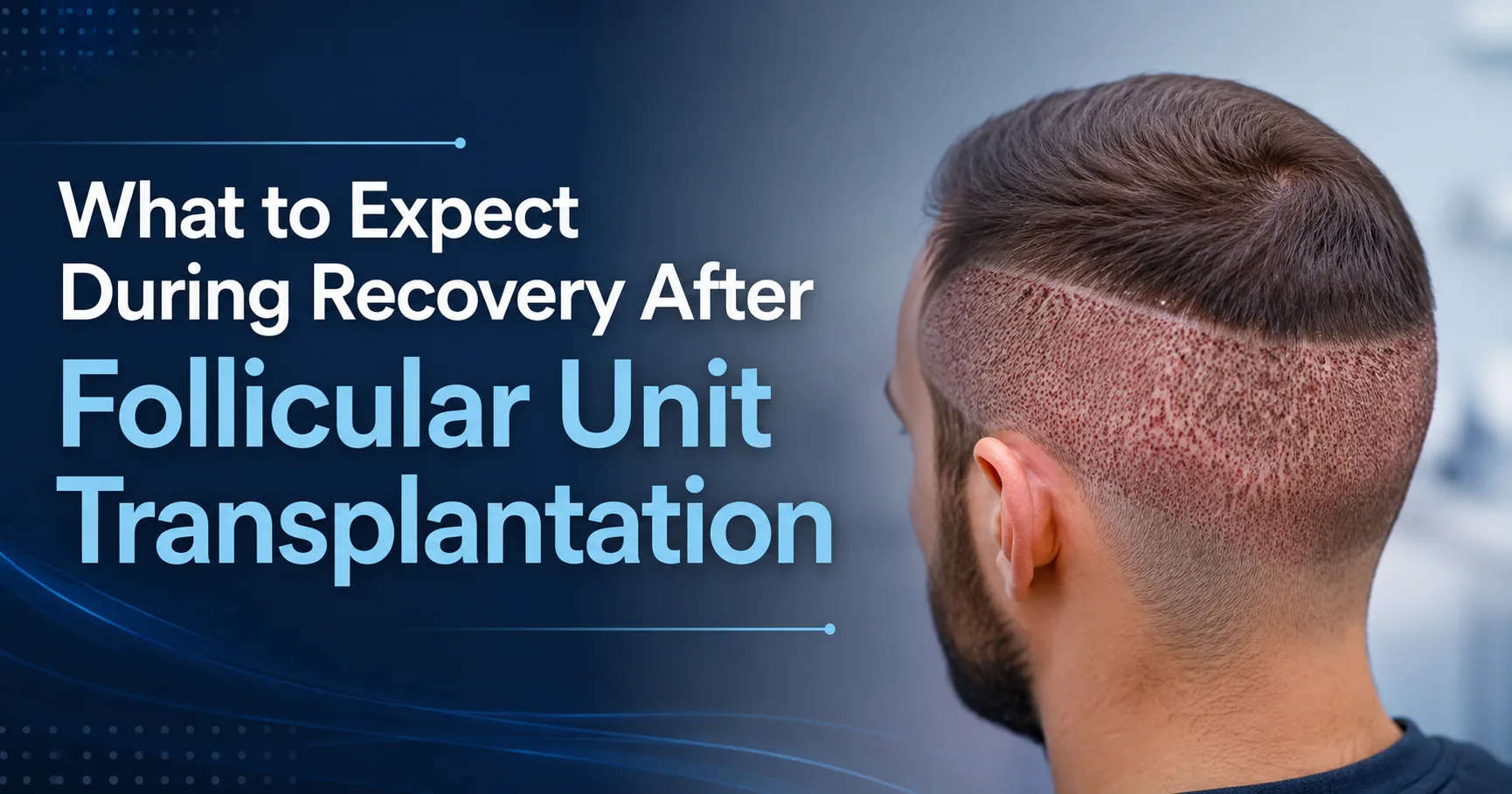
After follicular unit transplantation, it is normal to experience mild redness, swelling, and tenderness around both the donor and recipient areas. These effects are temporary and usually begin to improve within a few days. Your surgeon will provide detailed aftercare instructions, including how to clean your scalp, sleep comfortably, and avoid unnecessary pressure on the treated area.
Every patient heals at a different pace. Factors such as overall health, age, lifestyle habits, and following medical advice all influence recovery. Most people can return to desk-based work within a week, although strenuous activities should be postponed until your surgeon confirms it is safe.
The first few weeks are about protecting the newly implanted grafts while allowing the scalp to heal naturally.
The First 24 to 48 Hours
The initial two days after surgery are the most sensitive part of recovery. During this period, patients should focus on rest and avoid touching or scratching the treated scalp.
Some common experiences include:
- Mild swelling around the forehead
- Small scabs forming around each graft
- Slight discomfort or tightness
- Minor bleeding or fluid leakage in rare cases
Sleeping with your head elevated can help reduce swelling. Your surgeon may also recommend prescribed medication to manage discomfort and lower the risk of infection.
Following these instructions carefully helps protect the transplanted follicles during their most vulnerable stage.
The First Week After Surgery
By the end of the first week, most patients notice significant improvement. Swelling generally disappears, and any discomfort becomes minimal.
During this period, patients should continue to:
- Wash the scalp gently using the recommended products.
- Avoid direct sunlight.
- Stay away from swimming pools and saunas.
- Refrain from smoking and excessive alcohol consumption.
- Avoid wearing tight hats or helmets.
Small scabs usually begin falling away naturally. It is important not to pick them, as doing so may disturb healing grafts.
Many patients feel well enough to return to everyday routines after several days, although physical exercise should still be limited.
Weeks Two to Four
This stage often surprises patients because some of the transplanted hairs begin to shed. This is a completely normal part of the healing process known as shock loss.
Although the visible hairs fall out, the transplanted follicles remain healthy beneath the skin. New hair growth will gradually begin over the coming months.
During this period, the scalp typically looks much healthier, with redness continuing to fade. Patients can often resume moderate physical activities after receiving approval from their surgeon.
Patience is essential because noticeable hair growth does not happen immediately.
The First Three Months
Hair restoration requires time. During the first three months, new growth is generally minimal as the follicles enter their natural growth cycle.
Many patients become concerned during this stage because visible improvements appear slow. However, this is completely expected.
Maintaining a healthy lifestyle supports recovery by encouraging strong hair growth. Eating a balanced diet rich in vitamins, minerals, and protein can contribute to healthier follicles.
Regular follow-up appointments also allow your surgeon to monitor healing and answer any concerns.
Four to Six Months
By this point, many patients begin seeing meaningful improvements. Fine new hairs become visible and gradually increase in thickness.
The new hair may initially appear softer or lighter than existing hair. Over time, it becomes stronger and blends naturally with surrounding hair.
Growth rates vary from person to person, so comparing progress with others is not always helpful.
Consistent aftercare and realistic expectations remain important throughout this stage.
Nine to Twelve Months
Most patients enjoy significant improvements between nine and twelve months after surgery. Hair becomes fuller, thicker, and easier to style.
The transplanted follicles continue maturing, providing increasingly natural-looking density.
Some individuals may continue seeing subtle improvements beyond the one-year mark, particularly if a large number of grafts were transplanted.
Final results depend on factors such as hair characteristics, graft survival, and overall scalp health.
Tips for a Smooth Recovery
Successful healing depends not only on surgical expertise but also on proper aftercare.
Helpful recovery tips include:
- Follow all instructions provided by your surgeon.
- Keep the scalp clean using approved washing techniques.
- Avoid scratching or rubbing the treated area.
- Stay hydrated throughout recovery.
- Eat nutritious meals that support healing.
- Avoid smoking whenever possible.
- Protect your scalp from excessive sun exposure.
- Attend all scheduled follow-up appointments.
These simple habits help create the best possible environment for healthy hair growth.
Factors That Affect Recovery
Several factors influence how quickly patients recover, including:
- Overall physical health
- Age
- Quality of post-operative care
- Smoking habits
- Nutrition
- Stress levels
- Experience of the surgical team
People who carefully follow medical advice generally experience smoother healing and better long-term outcomes.
Maintaining Long-Term Results
Recovery does not end once the scalp heals. Maintaining healthy hair requires ongoing care and attention.
Patients should continue eating a balanced diet, managing stress, and using recommended hair care products. Regular consultations with their clinic can help identify any future concerns early and support the longevity of the transplant.
Understanding that hair restoration is a gradual process helps patients stay confident throughout their journey. While immediate results are not possible, steady improvement over several months leads to natural, lasting outcomes.
Take the First Step Towards Natural Hair Restoration
Recovering from follicular unit transplantation is a gradual process that requires patience, proper aftercare, and realistic expectations. From the first few days of healing to the final months of hair growth, each stage plays an important role in achieving successful results. Temporary swelling, scabbing, and hair shedding are all normal parts of recovery, while new hair gradually develops over time.
By following your surgeon's guidance, maintaining a healthy lifestyle, and allowing the transplanted follicles to mature naturally, you can maximize the benefits of follicular unit transplantation and enjoy fuller, natural-looking hair for years to come