
Electronic monitoring has become a trusted alternative to incarceration for individuals who are awaiting trial, serving probation, or participating in court-approved supervision programs. By allowing individuals to remain in their homes while complying with court-ordered conditions, electronic monitoring supports accountability while helping people maintain employment, attend school, and care for their families.
If you've recently been ordered to participate in an electronic monitoring program, you may be wondering what the process involves. Understanding what to expect can help you prepare and successfully complete your monitoring period.
What Is Electronic Monitoring?
Electronic monitoring uses specialized devices to verify a person's location or monitor compliance with court-ordered conditions. Depending on the requirements of the court or supervising agency, the monitoring system may include:
- GPS ankle monitors (tethers)
- Alcohol monitoring bracelets
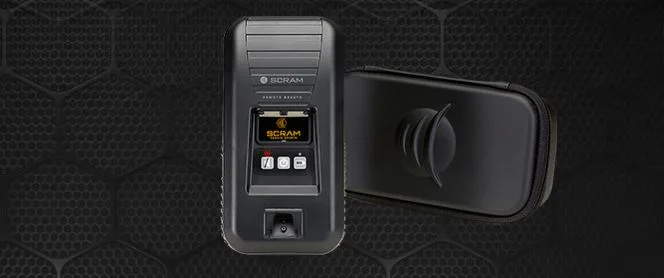
- Portable breath testing (PBT) devices
- Remote alcohol monitoring systems
- Home monitoring equipment
Each device is designed to ensure compliance while allowing participants to remain within approved areas and follow the conditions established by the court.
The Initial Appointment
Your electronic monitoring program typically begins with an installation appointment. During this visit, a trained technician will:
- Explain the terms of your monitoring program
- Install the required monitoring device
- Demonstrate how to charge and maintain the equipment
- Review reporting requirements and program rules
- Answer any questions about your responsibilities
The appointment generally takes less than an hour, though the exact time depends on the type of monitoring being installed.
Wearing the Monitoring Device
Most GPS ankle monitors are lightweight and designed for continuous wear. Once installed, they should not be removed or tampered with.
While wearing the device, you should expect to:
- Wear it 24 hours a day.
- Keep it charged according to the provided schedule.
- Protect it from unnecessary damage.
- Report any technical issues immediately.
- Follow all instructions provided by your monitoring provider.
Modern devices are built to withstand normal daily activities, although certain restrictions may apply depending on your specific program.
Daily Responsibilities
Successful completion of electronic monitoring depends on consistently following your program requirements. Common responsibilities include:
Charging Your Device
GPS monitoring devices require regular charging. Missing charging sessions or allowing the battery to become depleted may result in alerts being sent to supervising authorities.
Following Approved Schedules
Many participants receive approved schedules that specify when they may leave home for work, school, medical appointments, counseling, or other authorized activities. Staying within these approved schedules is essential.
Attending Required Appointments
You may need to attend scheduled check-ins, device inspections, or meetings with your supervising officer. Missing appointments can result in violations.
Understanding GPS Monitoring
GPS monitoring allows supervising agencies to verify that participants remain within approved locations and comply with court-ordered restrictions.
Depending on your case, GPS monitoring may include:
- Curfews
- Home confinement
- Exclusion zones
- Travel restrictions
- Scheduled movement windows
The monitoring system records location information continuously, helping ensure compliance throughout the supervision period.
Alcohol Monitoring Programs
Some participants are required to demonstrate continued sobriety as part of their supervision.
Alcohol monitoring may involve:
- Continuous alcohol monitoring bracelets
- Portable breath testing devices
- Remote breath testing systems
- Scheduled or random alcohol tests
These technologies help supervising agencies verify compliance with court-ordered alcohol restrictions.
Avoiding Program Violations
Participants can improve their chances of successfully completing electronic monitoring by following a few simple practices:
- Charge the device as instructed.
- Never attempt to remove or damage the equipment.
- Stay within approved schedules.
- Keep all appointments.
- Communicate promptly if emergencies arise.
- Follow all court orders carefully.
Maintaining open communication with your supervising agency is one of the best ways to avoid misunderstandings.
Conclusion
Electronic monitoring can feel unfamiliar at first, but understanding the process makes it much easier to navigate. By following your program requirements, keeping your device properly maintained, and communicating with your supervising agency, you can successfully complete your monitoring period while continuing many aspects of your daily life.
If you're looking for reliable electronic monitoring services, GPS tether installation, alcohol monitoring, or court-approved supervision solutions, EMS Tether provides professional monitoring services designed to help individuals meet court requirements with dependable support and modern monitoring technology.