Living with uterine fibroids can affect comfort, confidence, fertility plans, and everyday routines. Many women delay care because they are unsure what treatment involves or where to begin. Understanding the process helps reduce stress and supports better health decisions. This guide explains what to expect from diagnosis through recovery when visiting a fibroid treatment center in Newport Beach.
Understanding Fibroids and When Treatment Is Needed
Uterine fibroids are noncancerous growths that develop inside or around the uterus. Some women experience heavy bleeding, pelvic pain, bloating, or frequent urination, while others have few symptoms. The need for treatment depends on symptom severity, fibroid size, growth pattern, and future reproductive goals.
Many women live with fibroids for years without realizing they are the cause of discomfort or fatigue. When symptoms begin interfering with work, sleep, or daily activities, evaluation becomes important. Early care can prevent worsening symptoms and reduce the need for more invasive treatment later.
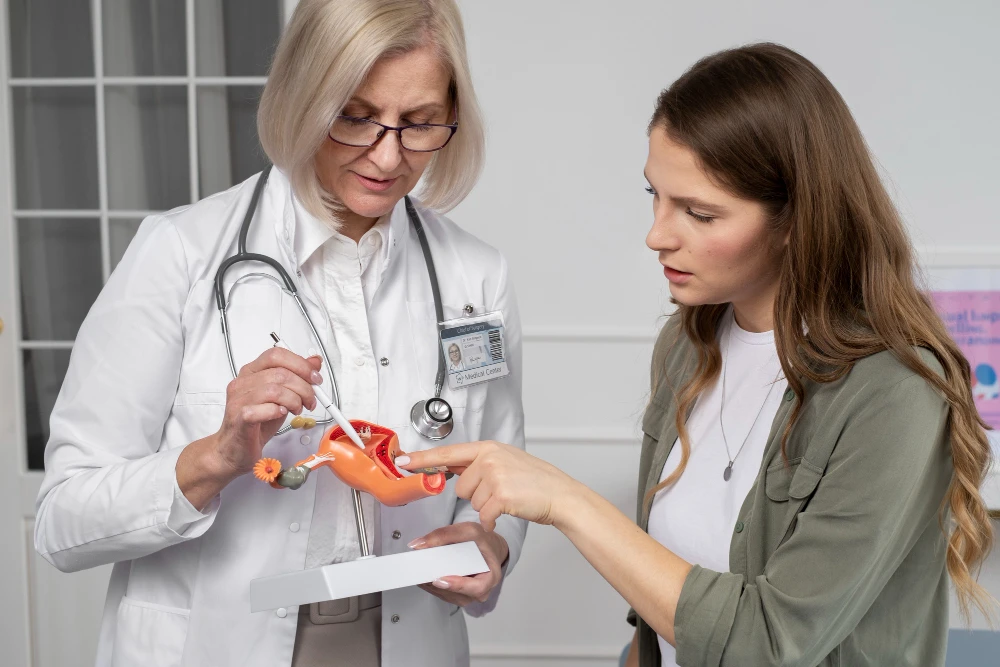
At a fibroid treatment center, the first visit usually includes a detailed health history and pelvic exam. Imaging tests such as ultrasound or MRI help identify fibroid type, size, and location, which guide treatment planning and next steps.
Your provider will also discuss lifestyle factors, overall health, and fertility goals. This complete view allows the care team to create a personalized treatment plan instead of relying on standardized approaches that may not suit your needs.
Common Fibroid Treatment Procedures
Once fibroids are diagnosed, your provider will explain the full range of available treatment options. These may include medication-based symptom management, minimally invasive procedures, or surgery when necessary. The goal is always to reduce symptoms while preserving uterine health whenever possible.
Treatment decisions depend on age, symptom severity, fibroid characteristics, and pregnancy goals. Many women today benefit from advanced techniques that shorten recovery time and minimize disruption to work and daily life.
Common Treatment Options Explained
Medication-Based Symptom ControlMedications may reduce heavy bleeding or pain, but usually do not remove fibroids or prevent long-term growth.
Minimally Invasive MyomectomyRemoves fibroids while preserving the uterus using small incisions or hysteroscopy, often supporting fertility and faster recovery.
Uterine Fibroid Embolization (UFE)Blocks blood flow to fibroids, causing them to shrink gradually without surgery and with shorter downtime.
Focused Ultrasound TherapyUses imaging-guided ultrasound waves to destroy fibroid tissue without incisions, offering symptom relief with minimal recovery.
Your provider will explain the benefits, risks, and expected results of each option. Shared decision-making ensures that your treatment plan aligns with your comfort level and long-term health goals.
Recovery Timeline and Post-Treatment Care
Recovery experiences vary depending on the type of treatment received. Some patients return home the same day, while others may need a short hospital stay. Most women notice a gradual improvement in symptoms over several weeks as fibroids shrink or healing progresses.
Pain is usually manageable with over-the-counter medications or short-term prescriptions. Light walking is often encouraged early to promote circulation, while strenuous exercise and heavy lifting are temporarily limited. These restrictions protect healing tissues and reduce complication risks.
Follow-up visits allow providers to monitor progress and address concerns. Imaging tests may be repeated to confirm fibroid shrinkage or surgical success. These visits also provide opportunities to discuss symptom changes and adjust care if needed.
What Recovery Commonly Includes
Rest and Gradual Activity ReturnMost patients resume normal routines within days or weeks, depending on treatment type and individual healing response.
Symptom Tracking and SupportMonitoring bleeding, pain, and energy levels helps providers assess recovery progress and treatment effectiveness.
Short-Term Medication UseMedications may help reduce inflammation, discomfort, or hormone-related symptoms during the healing process.
Follow-Up Imaging and VisitsUltrasounds or MRIs confirm treatment response and ensure complications are detected early.
Understanding recovery expectations allows patients to plan work schedules, childcare, and daily responsibilities more comfortably while healing.
Expected Outcomes
Most women experience significant symptom relief after fibroid treatment. Heavy menstrual bleeding often improves, pelvic pressure decreases, and daily comfort returns. These changes can greatly improve the quality of life and emotional well-being.
For women hoping to conceive, fertility-preserving treatments may improve pregnancy potential by restoring uterine structure. While outcomes vary, many women go on to achieve healthy pregnancies following appropriate fibroid care.
Long-term results depend on fibroid type, treatment method, and hormonal factors. Some women may develop new fibroids over time, which makes regular monitoring important. Early detection supports less invasive management if symptoms return.
Know Your Fibroid Care Journey
Visiting a fibroid treatment center can feel overwhelming, but understanding each step helps patients approach care with confidence. From diagnosis to recovery, personalized treatment planning supports lasting symptom relief and improved quality of life. Clinics such as the Center for Endometriosis and Fertility focus on evidence-based care while addressing physical comfort, reproductive goals, and emotional well-being throughout the healing journey.