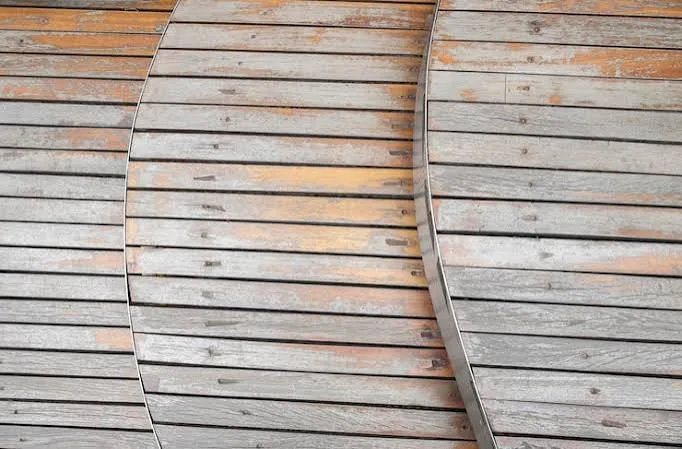
Discovering sticky, amber-colored residue seeping from a new deck, pergola, or fence post can be confusing, especially when the structure otherwise looks well built. This sticky substance is a natural byproduct of certain softwood species, and while it can feel like a defect, it is actually a common and largely temporary phase that many outdoor wood structures go through.
Why Softwoods Produce Sap After Installation
Species like pine, fir, and spruce contain natural resin pockets within the wood grain. When these boards are exposed to direct sunlight and rising temperatures, heat can soften trapped resin, causing it to migrate to the surface and create that familiar sticky, sometimes discolored patch. This happens more frequently in freshly milled lumber, since the resin has not yet fully cured or hardened within the wood fibers.
Wood leaking sap is most noticeable during the first one to two summers after installation, as the lumber continues to dry out and stabilize in its new environment. Over time, as the wood ages and resin pockets are depleted or harden in place, this issue typically becomes far less frequent.
Identifying Resin Versus Other Issues
It helps to distinguish sap from other substances that might appear on outdoor wood, such as mold, mildew, or water staining. Sap tends to be sticky, semi-transparent to amber, and located near knots or grain irregularities, where resin pockets are most concentrated. Mold or mildew, by contrast, typically appears as a powdery or fuzzy surface growth rather than a sticky residue, and it usually indicates a moisture problem rather than a natural resin release.
If you are unsure which issue you are dealing with, examining whether the substance is isolated near knots (suggesting resin) or more widely spread across the board's surface (suggesting a moisture or organic growth issue) offers a useful first clue.
How to Stop Wood From Leaking Sap
There are a few practical steps to take once this issue appears. Scraping away the softened resin with a plastic putty knife, followed by cleaning the area with mineral spirits or a specialized resin remover, addresses the immediate mess. Once the surface is clean and dry, applying a sealant specifically formulated to lock in resin pockets can help prevent further seepage in that same spot.
For those wondering how to stop wood from leaking sap before it becomes a recurring nuisance, choosing kiln-dried lumber over green or freshly milled boards for future projects reduces the likelihood of significant resin migration, since the kiln-drying process helps stabilize resin within the wood before installation.
Addressing How to Stop Sap Leaking From Wood on Existing Structures
For structures already installed, patience combined with routine maintenance is often the most realistic approach to stopping sap from leaking from wood that has already been affected. Applying heat with a heat gun on a low setting can help soften and draw out stubborn resin pockets, making them easier to scrape away completely rather than leaving a partial residue behind.
After cleaning, a stain-blocking primer, followed by exterior paint or a pigmented stain, provides a more permanent barrier than a clear sealant alone, since it fully seals the resin pocket rather than simply coating it.
Preventing Future Issues
Choosing kiln-dried, properly seasoned lumber for new builds significantly reduces the likelihood of noticeable sap seepage later. For structures already in place, periodic inspection during warm months, when resin migration is most active, allows you to address small spots before they spread or attract dirt and debris.
Conclusion
Sap seeping from an outdoor wood structure is typically a temporary, natural process rather than a sign of poor construction. With proper cleaning, targeted sealing, and patience while the wood fully cures, most structures move past this phase within a season or two, leaving behind a clean, stable surface that requires far less attention going forward.