When a car fails to start, it disrupts daily plans. Common causes include a dead battery, faulty starter, or fuel issues. Simple checks like testing lights or listening for engine sounds help identify the problem. This guide covers steps to diagnose and address a non-starting car in Australia.
Most drivers face this issue at some point. In Australia, over 1.2 million roadside assistance calls occur annually, with battery failures accounting for 40 percent. Quick action can save time and money, whether fixing the car or exploring disposal options.
Diagnosing the Problem
To diagnose a non-starting car, start by checking the battery. Turn on headlights; dim or flickering lights indicate a weak battery. No response suggests a dead battery or electrical fault.
Listen for sounds when turning the key. A clicking noise points to a faulty starter motor. No sound at all may mean an ignition switch issue. If the engine cranks but doesn’t start, fuel or spark problems are likely.
Check the dashboard for warning lights, like the check engine or battery symbol. These provide clues about underlying issues, such as alternator failure. In Australia, 25 percent of car breakdowns relate to alternator or electrical faults.
Basic Troubleshooting Steps
To troubleshoot, begin with the battery. Use a multimeter to check voltage; a healthy battery reads 12.6 volts. If below 12.4 volts, charge it or jump-start the car. In Australia, 30 percent of drivers carry jumper cables for emergencies.
Inspect battery terminals for corrosion. Clean them with a wire brush if needed. Loose connections cause power loss, affecting 15 percent of non-starting cases.
Check the fuel level. A gauge error might leave the tank empty. If fuel is present, a clogged fuel filter or failed pump could be the issue. Replace filters every 20,000 km to prevent this.
Test the starter motor by listening for clicks or grinding. If faulty, replacement costs range from $200 to $500 in Perth or Sydney. For ignition issues, verify the key or fob works properly.
When simple fixes don’t work, services like Best Cash For Cars offer a practical solution. They provide quick vehicle assessments and cash offers, ideal for cars too costly to repair. Their efficient pickup and payment process suits busy Australian drivers.
When to Call a Professional
Call a mechanic if basic checks fail. Professionals use diagnostic tools to pinpoint issues like faulty sensors or wiring problems. In Australia, mobile mechanics charge $100-$200 for on-site diagnostics.
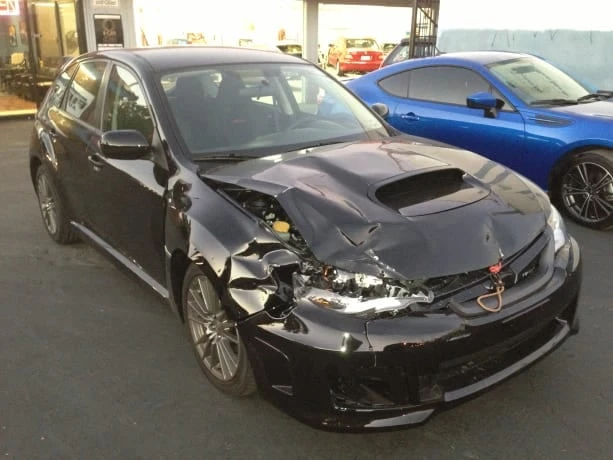
For complex issues like a seized engine, repairs may exceed $2,000. Compare this to the car’s value. If repairs cost more than 50 percent of the vehicle’s worth, consider scrapping it.
Roadside assistance proves helpful for urgent cases. In Australia, providers like NRMA handle 500,000 callouts yearly for non-starting cars. They tow to a garage if needed.
Towing costs average $150-$300 in urban areas like Melbourne or Brisbane. Ensure the mechanic is licensed under state regulations, such as Queensland’s Motor Dealers and Chattel Auctioneers Act.
Preventative Maintenance Tips
Prevent issues by maintaining the car regularly. Replace batteries every 3-5 years, as 80 percent fail within this period in Australia’s hot climate. Check terminals monthly for corrosion.
Service the fuel system every 30,000 km. This includes filters and pumps, reducing breakdown risks by 20 percent. Keep the tank at least a quarter full to avoid pump strain.
Inspect the alternator during annual services. A failing alternator causes 10 percent of non-starts. Regular checks catch issues early, saving $400-$800 in repairs.
Store a basic toolkit, including jumper cables and a multimeter. This equips drivers for quick fixes, especially in regional areas like Western Australia’s outback.
When Repairs Aren’t Worth It
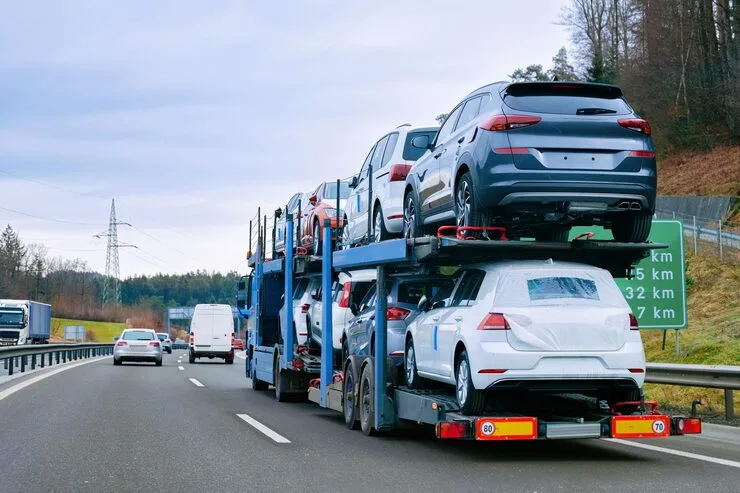
If repair costs outweigh the car’s value, scrapping becomes practical. In Australia, 700,000 vehicles reach end-of-life status yearly. Scrapping recycles 75 percent of materials, reducing landfill waste.
Contact a licensed scrap yard for a quote. Provide details like make, model, and condition. Payments range from $100 to $5,000, depending on the vehicle’s weight and parts.
Deregister the car through state services like VicRoads or Service NSW. Submit a Notice of Disposal to avoid fines. Scrap yards often handle this paperwork.
Best Cash For Cars simplifies this process for Australians. They offer competitive quotes and free towing, ensuring a smooth experience. Their focus on recycling aligns with Australia’s 67 percent waste recovery rate.
Also visit: https://www.bestcashforcarz.com.au/sell-car-for-cash-melbourne/
Environmental Impact of Scrapping
Scrapping a car reduces environmental harm. Recycled metals, like steel and aluminum, save 60 percent of energy compared to new production. In Australia, this cuts 1.5 million tonnes of CO2 annually.
Proper disposal prevents leaks from fluids like oil or coolant. Licensed yards treat these safely, protecting soil and waterways. In 2022, Australia recycled 90 percent of car batteries.
Parts like tires and seats get reused or repurposed. This supports local industries, such as second-hand markets, which employ 10,000 Australians.
Legal Considerations in Australia
Scrapping requires compliance with state laws. The Motor Dealers and Repairers Act mandates licensed operators for vehicle disposal. Verify the yard’s credentials to avoid scams.
The Scrap Metal Industry Act 2016 prohibits cash payments for certain metals in NSW. Payments occur via bank transfer or cheque for transparency.
Owners must provide proof of ownership, like registration papers. Deregister the vehicle before scrapping to avoid penalties, which can reach $500 in Queensland.
Notify the state transport authority within 7 days of disposal. This ensures legal transfer of responsibility and prevents misuse of the vehicle’s identity.
Next Steps for Owners
Start with a quick diagnosis using the steps above. If the issue is minor, like a battery, fix it yourself or call a mechanic. For major faults, weigh repair costs against the car’s value.
If scrapping, gather quotes from multiple yards. Compare offers based on payment and towing services. Ensure the yard follows environmental regulations for safe disposal.
For a reliable option, Best Cash For Cars provides fast quotes and handles all paperwork. Their service suits Australians needing quick, eco-friendly solutions for non-starting vehicles.
Learn more here: https://www.bestcashforcarz.com.au/
Conclusion
A car that won’t start creates stress, but quick diagnosis and action resolve it. Check the battery, fuel, or starter first. If repairs aren’t viable, scrapping offers cash and environmental benefits. Follow legal steps to stay compliant.
Learn more solutions in our blog resources.