Wasps can be a significant nuisance when they start buzzing around your home, especially when they decide to nest nearby. While wasps can provide benefits like pollination and keeping other insect populations in check, they can also pose a danger, particularly if you or someone in your family is allergic to their stings. If you spot wasps around your home, it’s important to handle the situation with care and caution. In this article, we’ll explore the steps to take when you see wasps near your property, what to do if you encounter a nest, and how to prevent future wasp infestations.
Recognizing Wasps: The First Step
Before you take action, it’s essential to identify whether you're dealing with wasps or other types of stinging insects like bees or hornets. Wasps tend to have a more streamlined body shape compared to bees and are typically less hairy. They may have bright yellow and black markings or appear in shades of red or brown, depending on the species.
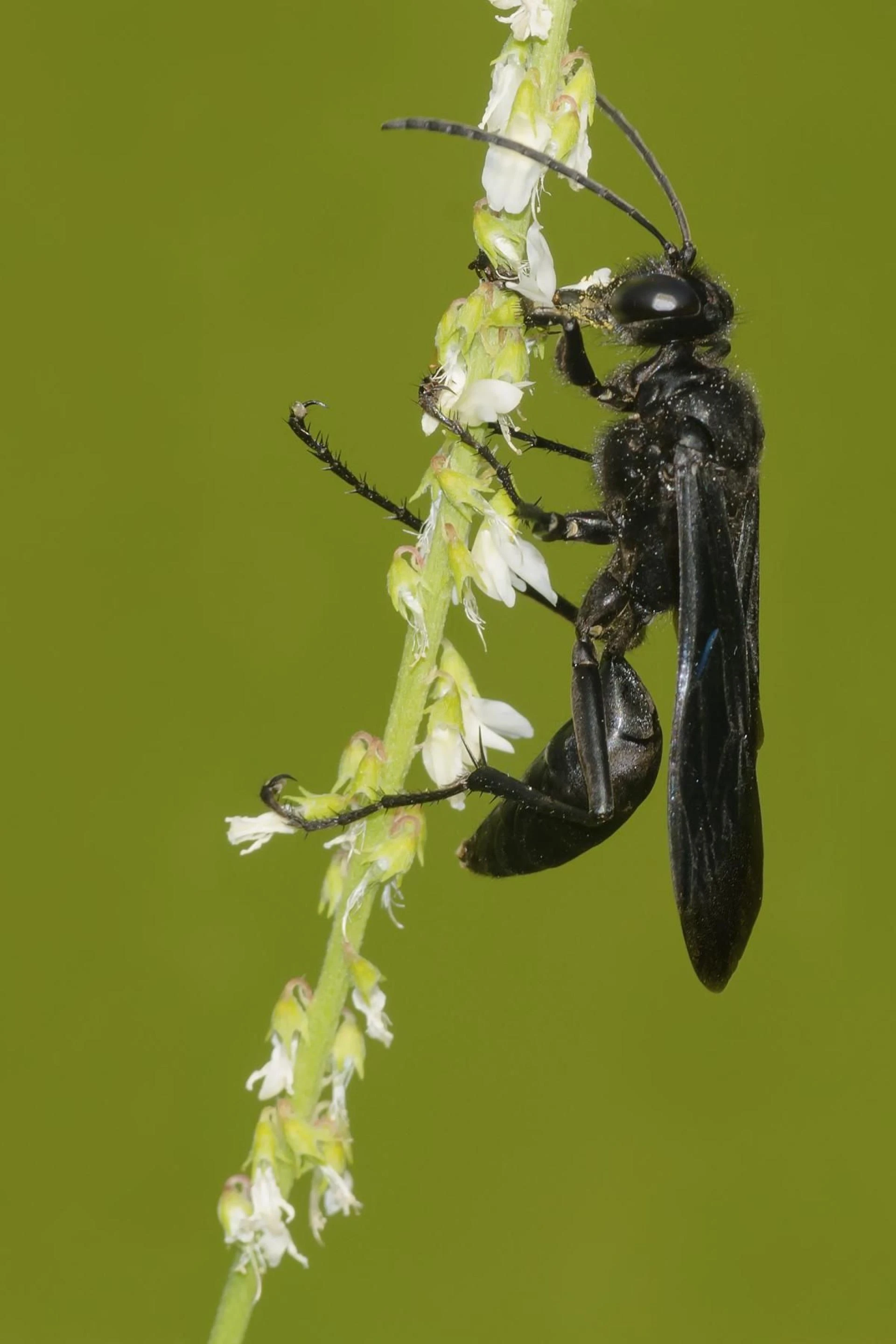
In Texas, two common types of wasps you might encounter are the black wasp and the red wasp. Both species can cause issues if they build their nests close to human activity. If you spot a black wasp in Texas, it's crucial to understand their behavior and how to deal with them. You can learn more about these wasps through this helpful link: black wasp Texas. Recognizing the species will guide you in determining the next steps.
Stay Calm and Assess the Situation
If you spot a few wasps around your home, the first thing to do is stay calm. Wasps are less likely to sting unless they feel threatened, so panicking and swatting at them could provoke an attack. Wasps can be territorial, especially if there’s a nest nearby, so it’s important to avoid disturbing them. Observe their flight patterns to determine if they are foraging for food or if they are coming from a particular area.
If the wasps are flying in and out of a specific spot, like a hole in the ground, a wall cavity, or under the eaves of your roof, it may indicate that they have built a nest nearby. In this case, you’ll need to take further steps to address the potential danger.
Identifying a Wasp Nest
Wasp nests can vary in size and shape, but they are typically made of a papery substance, which is created when the wasps chew wood fibers and mix them with saliva. The nest may be shaped like a hanging ball or cone, and you may notice it attached to trees, the side of a building, or even hidden in vents.
In Texas, the red wasp is another common species that builds paper-like nests. If you suspect a nest in your yard or around your home, it’s important to recognize the signs and take the appropriate action. For more information on how to identify and deal with red wasps in Texas, check out this detailed guide: red wasp Texas.
When to Call a Professional
While many homeowners can deal with a small number of wasps on their own, if you find a large nest or if the wasps seem particularly aggressive, it’s best to call a professional pest control service. Trying to remove a wasp nest on your own can be dangerous, especially if you're allergic to stings or if the nest is located in a hard-to-reach area.
Professional pest control experts are trained to handle these situations safely. They will assess the size and location of the nest and use the appropriate methods to eliminate the wasps without putting anyone at risk. Pest control services can also help you with long-term solutions to prevent new nests from forming.
DIY Methods to Get Rid of Wasps
If the wasp nest is small or in a manageable location, you may choose to address the problem yourself. However, it’s important to take precautions to avoid getting stung. Here are some DIY methods to help you remove wasps safely:
1. Wasp Traps
Setting up a wasp trap can help reduce the number of wasps around your home. You can buy commercially available traps or make your own using a simple bottle with a hole cut in the top. Fill the bottle with a sweet liquid like soda or fruit juice, and the wasps will fly into the bottle and become trapped.
2. Diatomaceous Earth
Diatomaceous earth is a natural powder that can be sprinkled around the perimeter of your home, especially near areas where you’ve seen wasp activity. The powder dehydrates the wasps and causes them to die. Make sure to use food-grade diatomaceous earth to ensure it’s safe for pets and humans.
3. Soapy Water
Mixing dish soap with water creates a solution that can suffocate wasps. If you find a nest in a location you can access safely, spraying the nest with soapy water may help kill the wasps. Be sure to do this at night when the wasps are less active.
4. Essential Oils
Some people use essential oils, such as peppermint or clove oil, to repel wasps. You can mix these oils with water in a spray bottle and apply the solution to areas where wasp activity is high. The strong scent of the oils can discourage wasps from settling in those areas.
Safety Precautions When Handling Wasps
Whether you’re dealing with a few wasps or trying to remove a nest, safety is key. Always wear protective clothing, including gloves, long sleeves, and pants, to minimize the risk of stings. It’s also a good idea to keep a safe distance from the nest, especially if you’re unsure of how aggressive the wasps are.
Avoid wearing bright colors or floral patterns, as these can attract wasps. Instead, opt for neutral-colored clothing when working near wasp nests. Always keep an eye on your surroundings and be ready to retreat if the situation becomes dangerous.
Preventing Future Wasp Infestations
Once you’ve dealt with the immediate threat of wasps around your home, it’s important to take steps to prevent future infestations. Here are some tips to keep wasps from building nests near your property:
1. Seal Entry Points
Inspect your home for any potential entry points that wasps could use to get inside. This includes cracks in the foundation, gaps around windows and doors, and openings around vents or chimneys. Sealing these gaps will help prevent wasps from building nests in the walls or attic.
2. Remove Food Sources
Wasps are attracted to food sources, especially sugary substances like fruit, soda, and candy. To keep wasps at bay, make sure to clean up food spills and secure trash cans with tight-fitting lids. If you’re having a picnic or outdoor event, be sure to cover food and drinks when not in use.
3. Regularly Inspect Your Property
Check your property for any signs of wasp nests throughout the year, especially in the spring and summer months. If you spot a nest early on, you’ll have a better chance of handling the problem before it becomes a larger issue.
4. Plant Wasp-Repellent Plants
Certain plants, like eucalyptus, citronella, and lemongrass, can help repel wasps due to their strong scents. Planting these types of plants around your home can help deter wasps from settling nearby.
Conclusion
Spotting wasps around your home can be concerning, but with the right approach, you can deal with them safely and effectively. Whether you choose to handle the situation on your own or call in a professional, it’s important to take action as soon as you notice wasp activity. Identifying the species and location of the nest, using safe removal methods, and preventing future infestations are all essential steps in managing wasp problems.
If you encounter a black wasp or a red wasp in Texas, remember to assess the situation carefully and consider consulting a pest control professional to ensure the safety of your home and family. By taking the right precautions and implementing preventive measures, you can enjoy a wasp-free environment for years to come.