Spray foam insulation experts save property owners money by going far beyond simply spraying foam. Their real value lies in a strategic approach that involves a thorough building assessment to find hidden energy leaks, selecting the precise type and thickness of foam for the climate and application, and executing a flawless installation. This expert process prevents costly mistakes like moisture damage or ineffective insulation, which can negate any potential savings. By treating the building as a system, they ensure the investment delivers the maximum possible return through lower energy bills for years to come.
The difference between a standard job and an expert installation can mean thousands of dollars in energy savings over the life of the building. The key lies in the specific actions and knowledge that set a true professional apart, turning a simple upgrade into a substantial long-term financial benefit.

Conducting a Thorough Building Assessment
Before any equipment is turned on, a true expert acts like a building science detective. They conduct a comprehensive evaluation to understand where a building is losing the most energy. This isn't just about measuring wall cavities. It involves identifying the less obvious but critical sources of air leakage that are responsible for a large percentage of energy loss. Common culprits include the rim joist in the basement, attic hatches, recessed lighting fixtures, and the sill plate where the foundation meets the framing.
An expert will also assess the building's ventilation needs. Sealing a home too tightly without considering airflow can sometimes lead to indoor air quality issues or moisture buildup. A professional installer understands this balance. They can recommend solutions, ensuring the home is both energy-efficient and healthy. This initial diagnostic step ensures a custom solution rather than a one-size-fits-all job, preventing future problems that could be expensive to fix.
Selecting the Right Foam for the Job
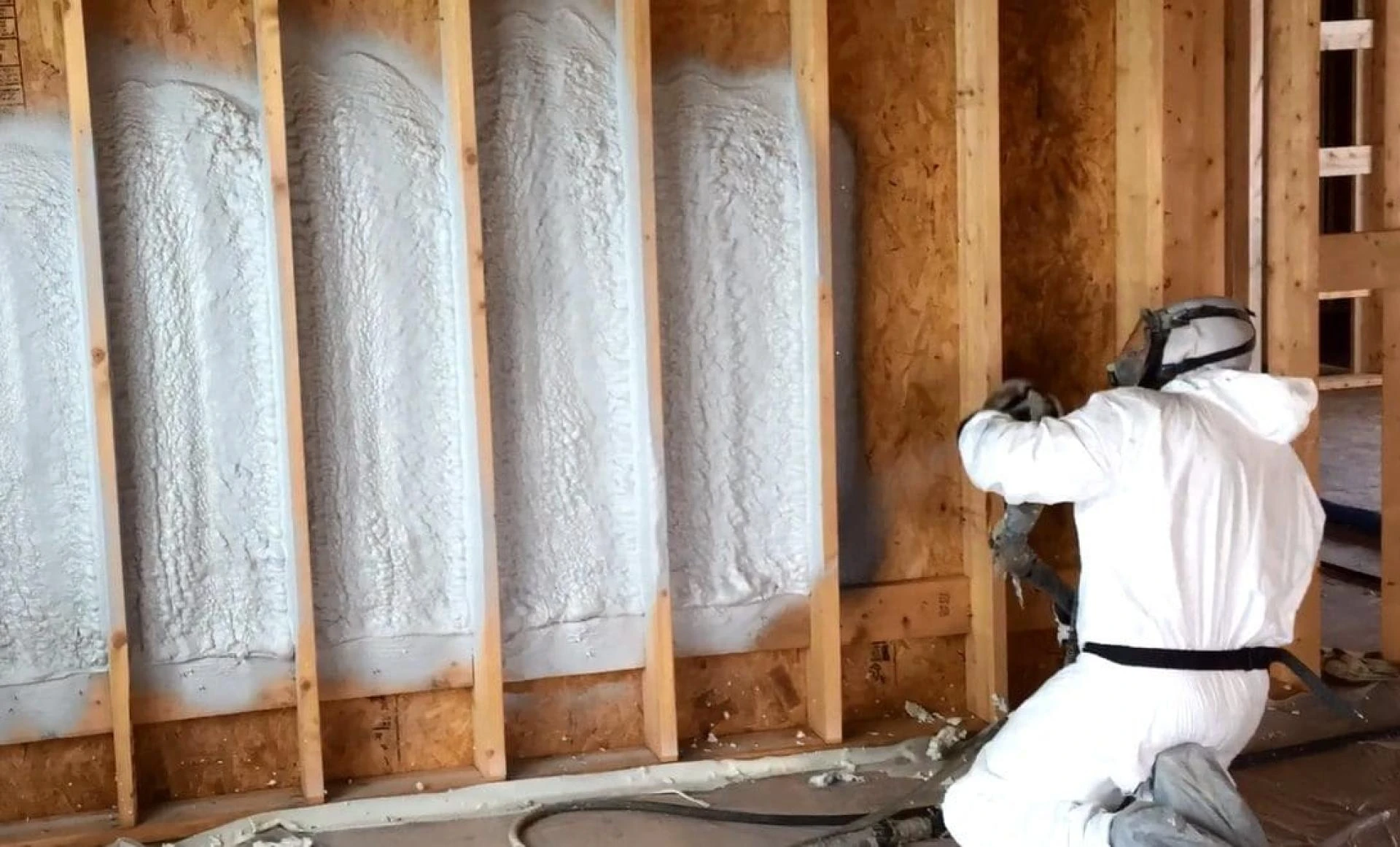
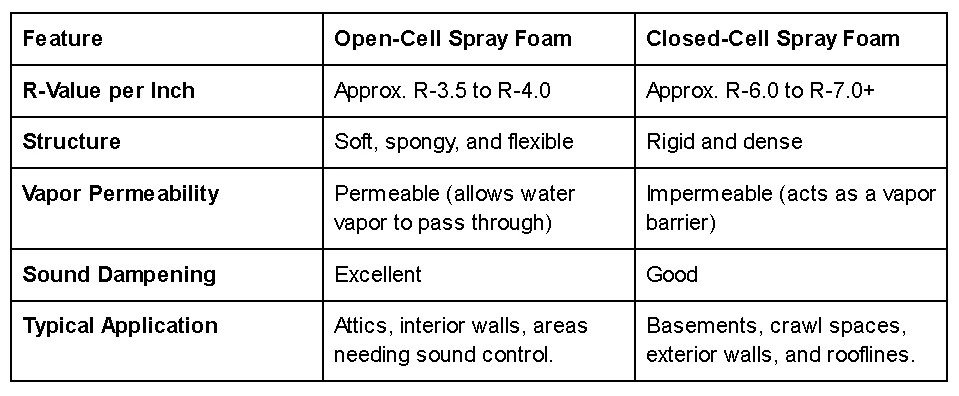
Not all spray foam is the same, and an expert’s guidance in choosing the right type is a key way they save you money. The two primary types, open-cell and closed-cell, have different properties and are suited for different applications. Using the wrong one can be a costly error. For instance, using open-cell foam (which is vapor-permeable) in a basement wall below grade could lead to moisture problems.
An expert considers the climate, the part of the building being insulated, and the budget to recommend the best option. In some cases, they might even suggest a hybrid approach. This could involve using a flash coat of closed-cell spray foam to create an air and vapor barrier, then filling the rest of the cavity with a less expensive insulation like fiberglass. This strategy can provide excellent performance at a lower upfront cost.
- Bonus Tip: In hot climates, applying open-cell spray foam to the underside of the roof deck is often an expert's choice. It creates a sealed, semi-conditioned attic that dramatically lowers the temperature, reducing the load on the AC system, which is a major source of energy consumption.
A Quick Look at Foam Characteristics
Understanding the differences between the two main types of spray foam helps clarify why an expert's selection is so important, but even the right material needs a perfect application to perform correctly.
The Art and Science of Proper Installation
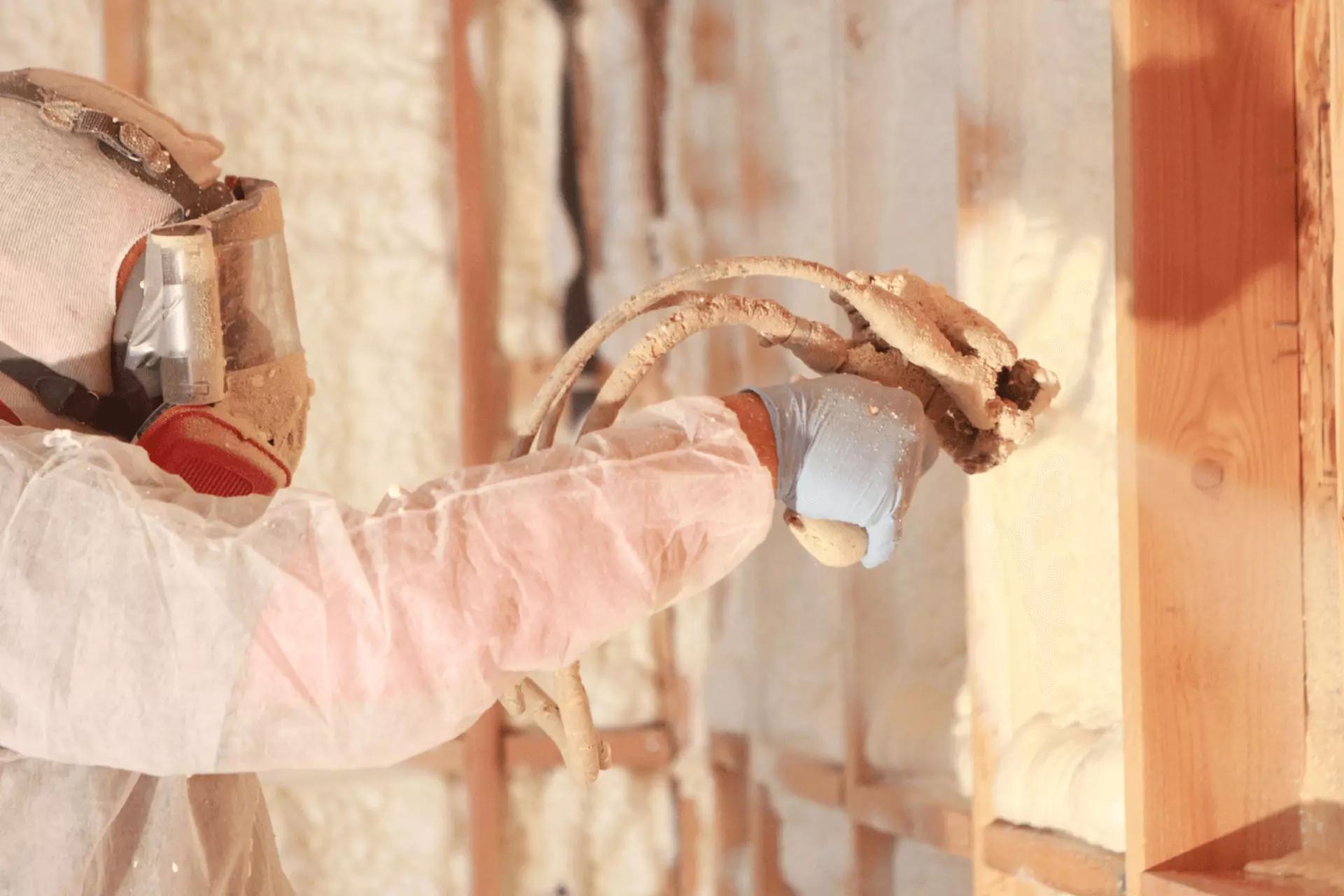
The long-term performance of spray foam is almost entirely dependent on the quality of the installation. This is where an expert's technical skill directly translates into savings. A professional crew ensures all surfaces are clean, dry, and free of contaminants that could prevent the foam from adhering properly.
They also understand that the chemical reaction that creates the foam is sensitive to temperature and pressure. Experts use sophisticated equipment and constantly monitor its calibration. If the chemical mixture is off-ratio or applied at the wrong temperature, the resulting foam won't have the correct cell structure, leading to a lower R-value and wasted material. Furthermore, they apply the foam in thin layers, or "lifts," to allow it to cure properly. Applying it too thickly at once can trap heat, compromising the foam's integrity. These technical details are non-negotiable for a professional and are what guarantee the product performs as advertised.
Things to Consider Before Making a Decision
When comparing quotes from different companies, several signs can point to a true expert.
A detailed proposal is one of the most obvious indicators. A professional quote won't just give a bottom-line price; it will specify the type of foam to be used, the exact thickness it will be applied to in inches, and the final R-value that will be achieved. Vague quotes are a red flag. Another thing to look for is installer certification. Top professionals often have their teams certified through organizations like the Spray Polyurethane Foam Alliance (SPFA), which demonstrates a commitment to industry best practices and safety.
It's also wise to be wary of unusually low bids. While everyone wants a good price, a bid that is significantly lower than others often indicates that corners are being cut. This could mean using less material than specified, rushing the preparation work, or using poorly maintained equipment. These shortcuts almost always lead to poor performance and can end up costing much more in the long run through high energy bills or the need for repairs.
Common Questions About Working with Insulation Experts
Can experts help me get rebates or tax credits?
Yes, a knowledgeable contractor is often aware of federal, state, or local utility programs that offer financial incentives for energy efficiency upgrades. They can provide the necessary documentation about the product's performance and the scope of the work to help you apply for these programs, saving you even more money.
How does an expert handle insulating around wiring and pipes?
Professionals are trained to work around these obstacles safely. They carefully spray around electrical boxes, plumbing, and wiring to ensure a complete seal without damaging the systems. For electrical boxes, they often use materials to block them off so the foam doesn't interfere with their function.
Does hiring an expert reduce the risk of chemical odors?
Absolutely. Lingering odors are almost always a sign of an improper mix ratio or poor ventilation during the curing process. An expert ensures the chemicals are mixed perfectly and that the area is properly ventilated with industrial fans and, if needed, negative air machines. This ensures the foam cures correctly and is odor-free once the re-occupancy time has passed.
What's the difference between a quote based on "board feet" vs. a flat project price?
A "board foot" is a measurement of volume (one foot by one foot by one inch thick). Some companies quote this way, but an expert will typically translate that into a clear, all-inclusive project price. A flat price is easier for a homeowner to understand and ensures there are no surprise costs related to material usage.
Can an expert use spray foam to fix "hot rooms" in my house?
Often, yes. Rooms that are consistently hotter or colder than the rest of the house usually suffer from significant air leaks or poor insulation. An expert can use diagnostic tools like an infrared camera to pinpoint the problem areas (often in the attic above the room or in the walls) and use spray foam to effectively seal and insulate them, balancing the temperature.
Expertise Is the Best Investment
Ultimately, the key to saving money with spray foam insulation is not just the product itself, but the expertise of the people installing it. A professional's ability to diagnose a building's weaknesses, prescribe the correct solution, and perform a technically perfect installation is what turns a simple material cost into a high-performing investment. By focusing on quality and expertise over the lowest initial price, property owners can achieve decades of comfort and substantial energy savings.
Get an Expert Opinion on Your Property
To understand how a professional installation can impact your energy bills, the best first step is a thorough assessment. An experienced contractor can identify the key areas for improvement and provide a clear, detailed plan. For those looking for a professional consultation, a company like Supreme Spray Foam LV offers in-depth evaluations. Their team of experts can be reached by phone at (702) 904-9895 or by email at [email protected] to discuss specific project goals.
Reviewer: Michael Carter reviewed this article using insight gained over 12 years in the spray foam business. His feedback focused on helping contractors reach new customers without overcomplicating their message.