
Why the Right CPR Training Matters
Learning CPR can make a real difference in an emergency. When someone collapses or stops breathing, quick action can save a life. That is why many people decide to take a CPR course. However, not all training programs are the same. Choosing the right one matters more than you might think.
A good program teaches more than just theory. It prepares students to act fast and stay calm under pressure. People who enroll in a CPR certification program in Denton, TX often want training that feels practical, clear, and easy to remember. After all, during an emergency, there is no time to second guess what to do.
So, what exactly should you look for when selecting a CPR training program? Let’s break it down step by step.
Accredited and Recognized Training
First things first, always check if the program follows recognized training standards. CPR techniques change over time as medical experts learn better ways to perform life saving procedures. Because of that, courses must follow updated guidelines.
A reliable CPR certification program in Denton, TX usually follows nationally recognized standards for CPR and first aid education. This ensures that students learn techniques that are approved and widely accepted in healthcare and emergency response.
Accredited programs also provide certificates that employers recognize. That matters a lot for people working in healthcare, childcare, or public safety roles.
Simply put, training should be credible and trusted. Otherwise, the certification might not hold much value.
Hands-On Practice Is Essential
Reading about CPR is helpful, but practice makes all the difference. During an emergency, muscle memory plays a big role. People need to know exactly where to place their hands and how hard to push.
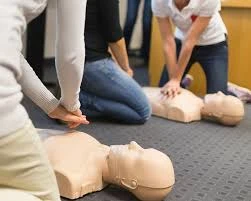
That is why hands-on practice should be a major part of any CPR and first aid class in Denton, TX. Students usually practice chest compressions on training mannequins. They also learn how to respond to choking, breathing problems, and sudden cardiac arrest.
Hands on learning builds confidence. It also helps students remember what to do when seconds matter.
Programs that focus too much on lectures may not prepare students well enough. A good course keeps students active and involved.
Experienced and Supportive Instructors
Another big factor is the instructor. A great teacher can turn complicated information into something simple and clear. On the flip side, a confusing instructor can make even basic steps hard to follow.
The best CPR programs are taught by experienced instructors who understand emergency response. Many of them have backgrounds in healthcare, emergency medicine, or rescue services.
Students taking a CPR certification program in Denton, TX often say that good instructors make the class feel relaxed and approachable. They encourage questions, demonstrate techniques clearly, and guide students through practice sessions.
Learning life saving skills should feel supportive, not stressful.
Training That Covers Multiple Emergency Situations
CPR is not the only skill people need during an emergency. Real life situations can involve many different challenges.
That is why a well-designed CPR and first aid class in Denton, TX usually includes additional topics such as:
- Responding to choking
- Treating minor injuries
- Recognizing cardiac arrest
- Using an automated external defibrillator
- Handling breathing emergencies
These skills work together. Knowing CPR alone helps, but understanding first aid makes someone even more prepared.
The more complete the training, the more confident students feel when facing real world emergencies.
Convenient Scheduling Options
Life gets busy. Between work, school, and family responsibilities, finding time for training can be tricky. That is why scheduling flexibility matters.
Many programs offered through a vocational school provide multiple class options. Some offer weekend sessions. Others provide evening classes for working adults.
Flexible scheduling helps more people complete their training without disrupting their daily routines.
Convenience should never replace quality, but it definitely makes training easier to attend and complete.
Small Class Sizes for Better Learning
CPR training works best when students receive personal guidance. Large classes sometimes make it difficult for instructors to give individual feedback.
Smaller groups allow instructors to observe each student’s technique. They can correct hand placement, compression depth, and timing during practice sessions.
Students who enroll in a CPR certification program in Denton, TX often benefit from this hands on attention. It ensures that everyone understands the proper techniques before completing the course.
Learning in smaller groups also creates a more comfortable environment where students feel free to ask questions.
Certification That Meets Workplace Requirements
Many professions require CPR certification. Healthcare workers, teachers, childcare providers, and fitness trainers often need valid CPR credentials.
That is why the certification provided by the course should meet workplace requirements. A reliable CPR and first aid class in Denton, TX typically offers certification that employers accept across different industries.
Students should also check how long the certification remains valid. Most CPR certifications last for about two years. After that, a renewal course is usually required.
Choosing a recognized program makes this process easier when it is time to renew the certification.
A Comfortable Learning Environment
Believe it or not, the learning environment plays a role in how well students absorb information. A calm and organized classroom helps people stay focused.
Training offered through a professional vocational school often includes well equipped classrooms and updated training materials. Students feel more comfortable practicing their skills in a structured environment.
When the learning space is welcoming, students stay engaged and confident throughout the course.
Building Confidence to Act in Emergencies
At the end of the day, CPR training is not just about earning a certificate. The real goal is to build confidence.
People who complete a CPR certification program in Denton, TX walk away with practical skills they can use when emergencies happen. They know how to recognize warning signs, start chest compressions, and provide basic first aid until professional help arrives.
This confidence is powerful. It means someone can step forward instead of freezing during a critical moment.
Choosing the Right CPR Program Makes a Difference
Picking the right training program can shape how well someone responds during an emergency. Strong instruction, hands-on practice, and updated guidelines all play a role in effective training.
A well-structured CPR and first aid class in Denton, TX, provides the knowledge and experience students need to respond quickly and safely. Meanwhile, learning through a trusted vocational school often ensures that training meets professional standards.
When all these factors come together, students gain more than just a certificate. They gain the ability to help others when it matters most. And honestly, that skill is worth its weight in gold.