
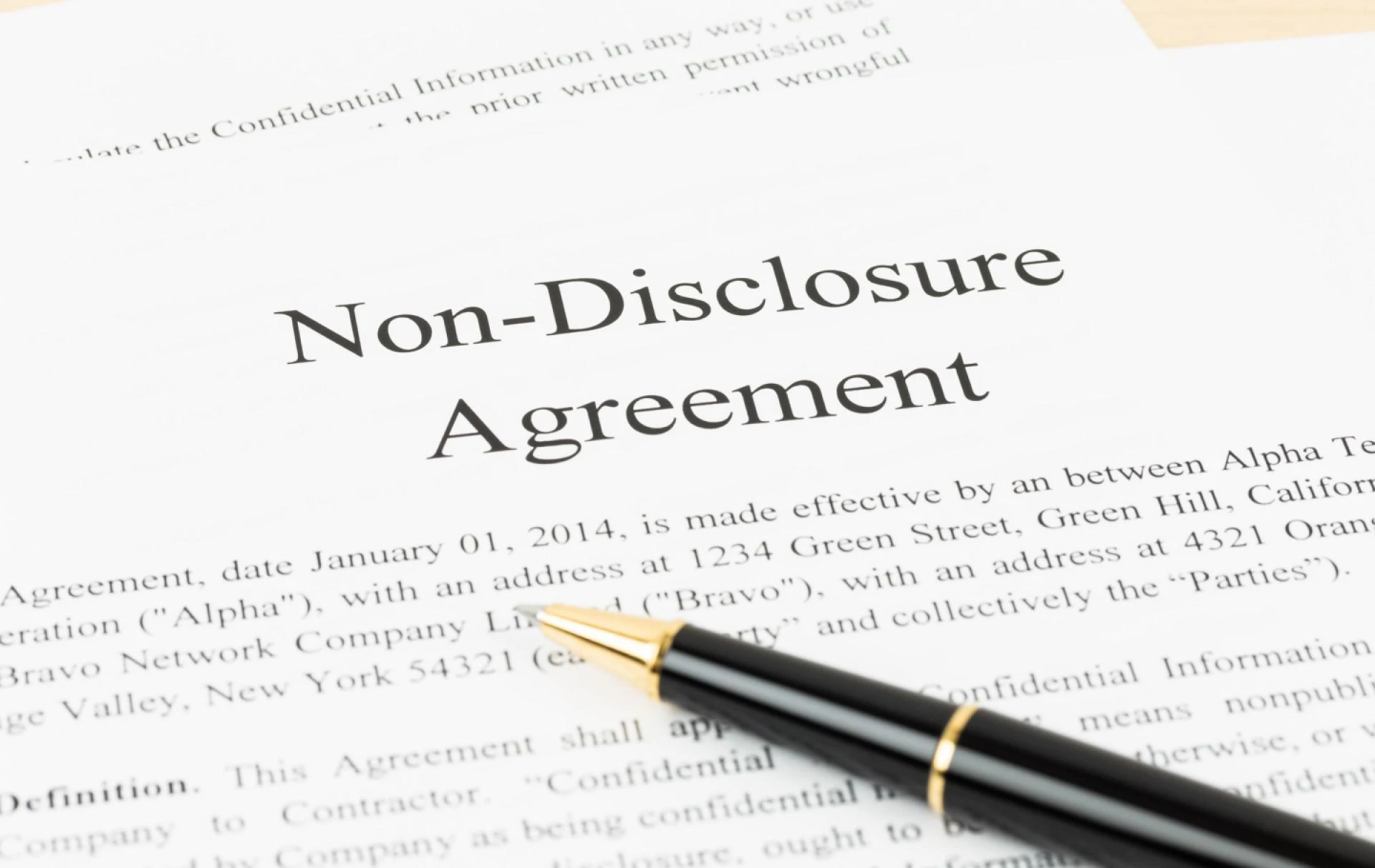
In the business world, protecting sensitive information is essential. Whether you’re starting a new partnership, hiring employees, or discussing a potential merger, it’s common to sign a non-disclosure agreement (NDA) to keep confidential information safe. NDAs are legal contracts that create a trusted environment between two or more parties by clearly stating what information must remain private.
What Is a Non-Disclosure Agreement?
A Non-disclosure agreements Abu Dhabi is a legal document that prevents one party from sharing specific information with others. This agreement is signed when two or more parties enter a working relationship where confidential data—such as business plans, financial records, product designs, client lists, or intellectual property—will be shared. NDAs are common in business deals, employment contracts, and startup funding discussions.
NDAs can be mutual, where both parties agree not to share each other’s confidential data, or one-sided, where only one party shares information and the other is bound to confidentiality.
Key Elements Included in an NDA
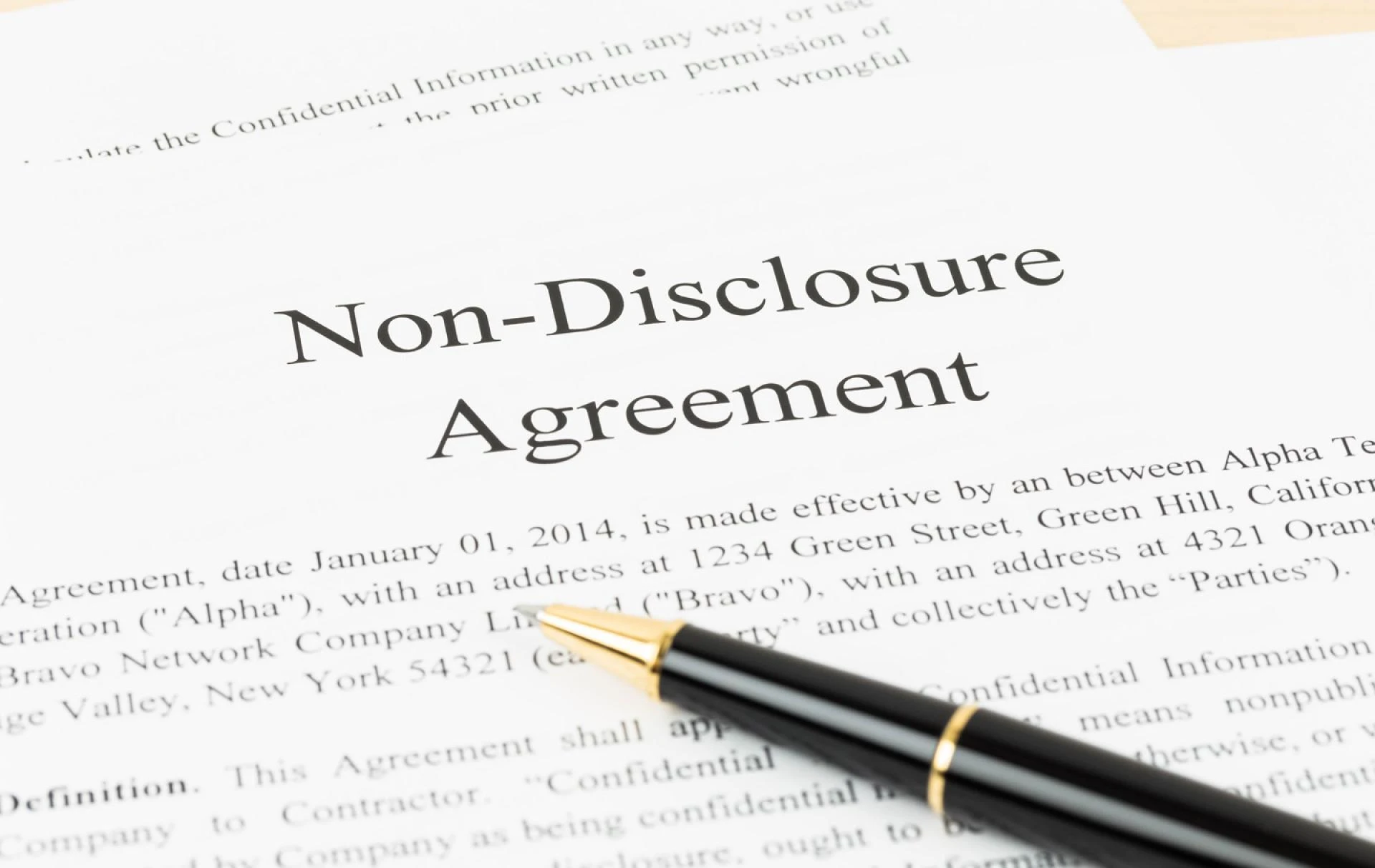
To be valid and effective, a non-disclosure agreement must include certain elements:
- Definition of Confidential Information:
- This section explains exactly what type of information is considered confidential. It may include financial reports, marketing strategies, trade secrets, or internal documents.
- Obligations of the Receiving Party:
- The receiving party agrees not to disclose or misuse the shared information. They may also be required to take specific steps to protect the data.
- Exclusions from Confidentiality:
- NDAs usually mention what information is not protected. This may include information that is already publicly available or independently developed by the receiving party.
- Time Period:
- Every NDA outlines how long the information must be kept confidential. Some agreements apply for a few years, while others may last indefinitely.
- Consequences of Breach:
- If a party fails to uphold the NDA, they may face legal consequences such as financial penalties or lawsuits. This part explains the legal remedies available in case of a breach.
Why Are NDAs Important?
NDAs are important because they help build trust between parties and protect business interests. When businesses share sensitive information, they need assurance that it won’t be leaked or used unfairly. For example, if a company is pitching a new product idea to a potential investor, an NDA ensures that the investor cannot share the idea with competitors or use it for their own gain.
Without NDAs, companies face the risk of intellectual property theft, data leaks, or loss of competitive advantage.
Common Scenarios Where NDAs Are Used
- Employment Agreements: Employees often sign NDAs to protect internal data.
- Partnership Discussions: Businesses discussing collaborations sign NDAs to protect future plans.
- Product Development: When outsourcing design or technology development.
- Investor Pitches: Startups use NDAs when discussing ideas with potential investors.
Limitations of NDAs
While NDAs are powerful tools, they are not always foolproof. In some cases, courts may find them too broad or unenforceable if the terms are unclear. Also, NDAs cannot stop someone from using publicly available information or knowledge gained independently.
Therefore, drafting a clear and reasonable NDA is critical. It’s always best to consult legal professionals before signing or preparing an NDA.
Also Read This
Understanding the Role of Insurance Lawyers in Abu Dhabi: What You Need to Know
Conclusion
Non-disclosure agreements are essential for protecting sensitive information in both personal and professional relationships. They help maintain privacy and reduce the risk of misuse of shared data. For businesses and individuals handling confidential discussions, having a well-written NDA is a smart and protective step. If you’re unsure about creating or reviewing such agreements, MIO Legal Consultants LLP offers expert legal guidance to help you stay protected in every deal.
Tags:
confidentiality agreements
business contracts
legal protection