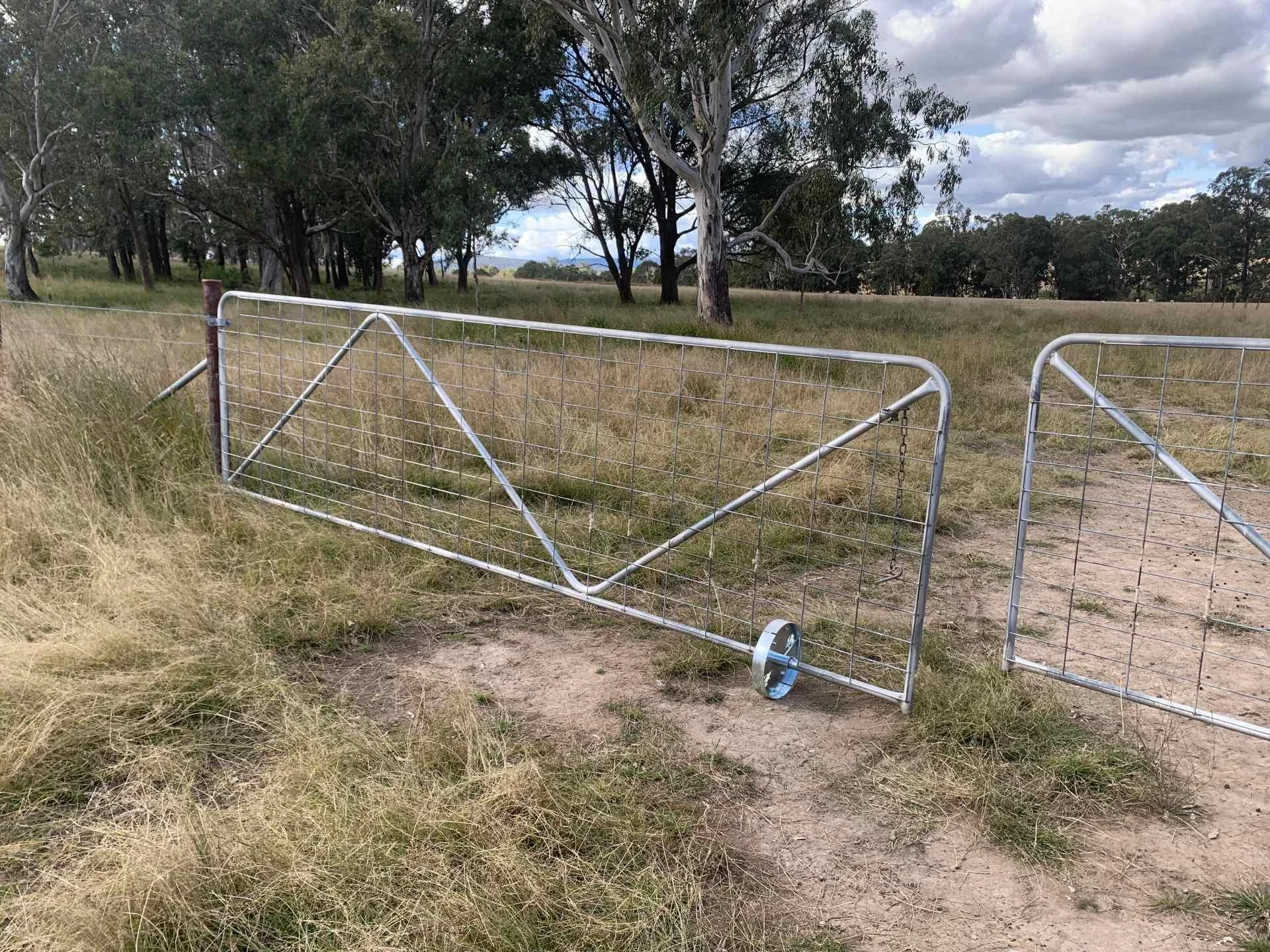
Farm gates are exposed to tough conditions — from muddy fields and rough terrain to constant use by vehicles and livestock. If your gate struggles to open or closes unevenly, it might be time to consider a farm gate wheel to support it.
In this article, we’ll cover what a farm gate wheel is, why it’s a must-have for farmers, how to select the best one, and tips for installation and maintenance.
Why Do You Need a Farm Gate Wheel?
Farm gates tend to be larger and heavier than residential gates and often experience more wear and tear. Without proper support, gates can sag, damaging hinges and making them difficult or even dangerous to operate.
A farm gate wheel takes the weight off the hinges by supporting the bottom of the gate, allowing it to roll smoothly over uneven ground — saving your gate from premature damage and reducing the effort needed to open and close it.
How Does a Farm Gate Wheel Handle Rough Terrain?
Farm gate wheels are designed to handle a variety of surfaces such as gravel, dirt, grass, and mud. They usually have a rugged design featuring:
- Large, sturdy wheels to roll over obstacles
- Heavy duty materials like steel and reinforced rubber to resist wear
- Bearings or bushings for smooth operation despite dirt and grit
This robust design ensures the gate moves easily, even on challenging farmland conditions.
What Are the Key Features to Look for in a Farm Gate Wheel?
When selecting a farm gate wheel, consider:
- Load Capacity: Your wheel should support the full weight of your farm gate plus any additional forces.
- Wheel Diameter: Larger wheels navigate rough ground better.
- Material Durability: Steel frames and tough rubber or polyurethane wheels resist damage and corrosion.
- Adjustability: Some wheels offer adjustable height or mounting to fit different gate types.
- Ease of Installation: Quick-fit brackets or universal mounts make installation simpler.
Can a Farm Gate Wheel Save You Money in the Long Run?
Absolutely. By preventing gate sag and reducing stress on hinges and posts, a farm gate wheel can extend the life of your gate and reduce costly repairs. It also reduces the physical effort required to operate the gate, making daily farm tasks easier.
How Do You Install a Farm Gate Wheel?
Most farm gate wheels are designed for straightforward installation:
- Position the wheel at the bottom edge of the gate where it makes contact with the ground.
- Attach the mounting bracket securely to the gate frame using bolts or screws.
- Adjust the wheel height so it supports the gate fully but doesn’t drag unnecessarily.
- Test the gate operation and make further height adjustments if needed.
If unsure, consult a professional to ensure correct fitting.
What Maintenance Does a Farm Gate Wheel Require?
Routine maintenance helps keep your farm gate wheel working well for years:
- Clear mud, grass, and debris from the wheel and axle regularly.
- Lubricate moving parts as recommended by the manufacturer.
- Check mounting hardware for tightness and corrosion.
- Replace worn or damaged wheels promptly.
Conclusion: Is a Farm Gate Wheel Right for Your Property?
If your farm gate is heavy, frequently used, or located on uneven terrain, a farm gate wheel is a smart investment. It improves gate functionality, protects your gate infrastructure, and makes life easier on the farm.
For farmers looking for quality and durability, choosing a trusted supplier with heavy duty, weather-resistant wheels ensures your gate performs reliably season after season.