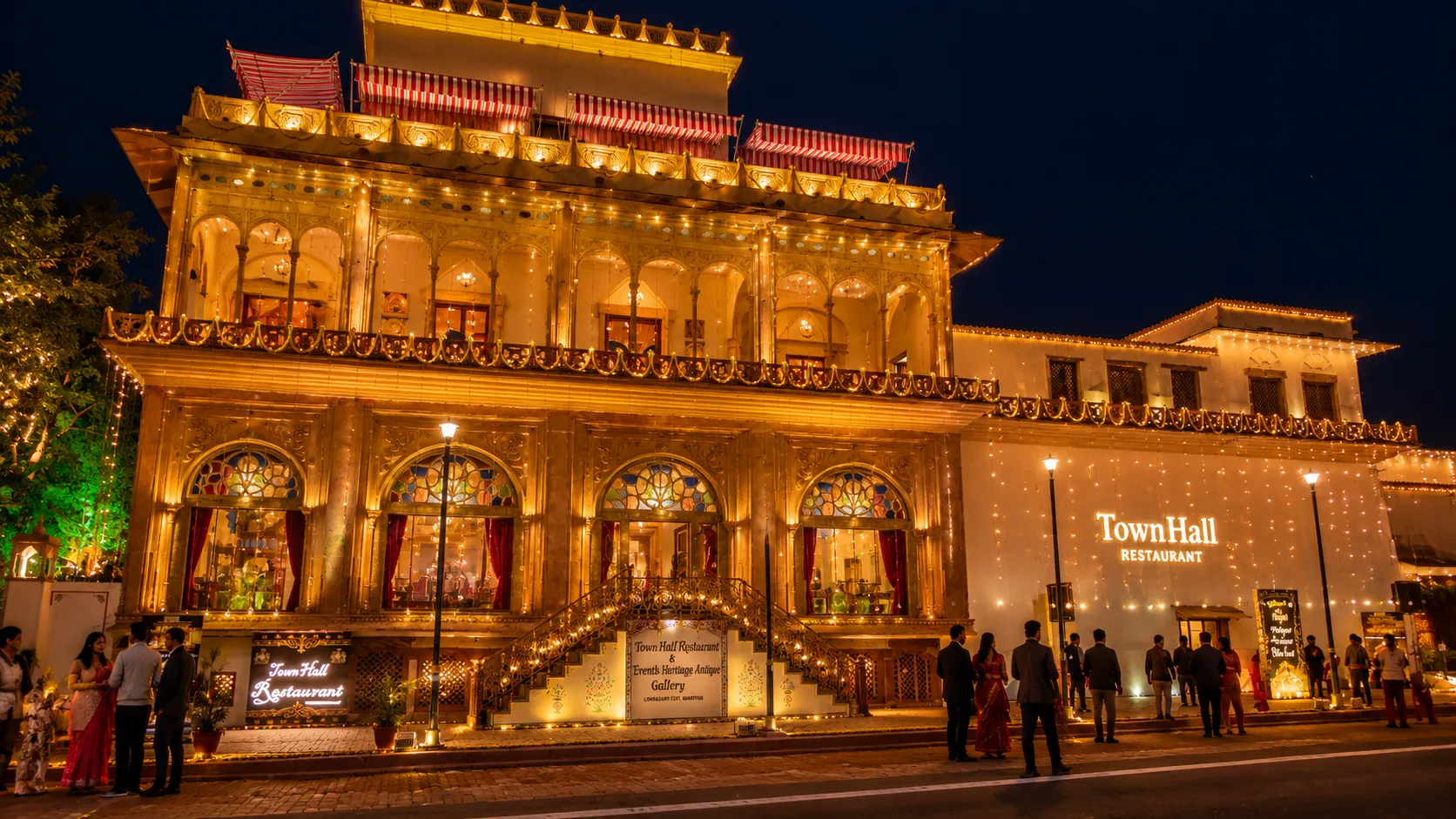
A birthday, anniversary, family reunion or informal office gathering may look effortless once it begins, but the quality of the experience often depends on decisions made before the event. Seating, guest count, menu planning, timing and the chosen environment can influence whether the gathering feels organised or confusing.
A restaurant celebration does not need an elaborate production. It needs a clear plan that supports conversation, food service and the comfort of every guest.
Step 1: Define the Purpose of the Gathering
The organiser should begin by identifying the nature of the event. A child’s birthday has different requirements from a wedding anniversary. A family reunion may prioritise conversation, while an office dinner may need a more structured seating plan.
Ask the following questions:
- What is being celebrated?
- How many guests are expected?
- Are children or senior citizens attending?
- Will guests arrive together or separately?
- Does the group want a formal or relaxed atmosphere?
- How long is the gathering expected to continue?
These answers help the organiser communicate clearly with the restaurant.
People searching for a restaurant for group dining in Bharatpur should share an accurate guest estimate before asking for a seating recommendation.
Step 2: Choose the Right Dining Environment
The seating environment shapes the celebration’s mood. An indoor space may be appropriate for guests who prioritise weather-controlled comfort. Outdoor seating can make the gathering feel open and informal. A rooftop space may create a distinctive evening setting.
The selection should not be based only on appearance. Organisers must also consider weather, accessibility, children’s ages and the comfort of senior guests.
If the event date is several weeks away, the preferred seating area should be discussed in advance. However, organisers should remain flexible because outdoor and rooftop arrangements may depend on current weather and operational conditions.
Townhall Restaurant’s indoor, outdoor and rooftop dining options allow groups to request a setting that reflects their occasion.
Step 3: Confirm the Guest Count Carefully
An inaccurate guest count can affect seating and service. Organisers should avoid making a reservation for a small group when they already expect many additional guests.
A practical method is to maintain three figures:
- Confirmed guests
- Guests awaiting confirmation
- Maximum expected attendance
The restaurant can then understand the likely size of the gathering. The organiser should update the final count according to the timeline communicated by the property.
If several families are attending, one coordinator should manage the reservation. Multiple people giving different instructions can create unnecessary confusion.
Step 4: Plan the Menu for the Group
Ordering individually may work for a small table, but larger gatherings benefit from some advance menu consideration.
The organiser does not always need to finalise every item beforehand. However, understanding the group’s broad preferences can improve the flow of service.
Consider whether the group includes:
- Vegetarian diners
- Children with simpler preferences
- Senior guests with specific food habits
- Guests with communicated dietary restrictions
- People who prefer mild or strongly flavoured food
A multi-cuisine selection can help accommodate different tastes within the same gathering. Guests planning an occasion at a multi-cuisine restaurant in Bharatpur should discuss major dietary needs directly instead of assuming that every request can be handled without notice.
Step 5: Consider Children and Senior Guests
Group celebrations often focus heavily on décor and photographs while overlooking physical comfort.
For senior guests, organisers should check the ease of reaching the assigned dining area. Comfortable seating and a manageable meal time may matter more than the most visually dramatic location.
Children also influence the arrangement. Very young children may require closer supervision and quicker food service. Parents should be seated where they can manage children without disturbing the entire group.
A well-planned gathering includes these requirements from the beginning instead of treating them as last-minute adjustments.
Step 6: Select a Practical Time
Timing affects traffic, weather, guest punctuality and the restaurant’s atmosphere.
A family event involving senior citizens and children may benefit from an earlier time. A group of friends may prefer a later rooftop dinner. An office gathering should account for when employees can reasonably leave work and reach the location.
The organiser should communicate the expected arrival time clearly to guests. If most people arrive late, the planned food service and seating arrangement may be affected.
Building a short arrival window into the invitation can help the gathering begin more smoothly.
Step 7: Decide How Much Decoration Is Actually Needed
A restaurant with a distinctive atmosphere may require less decoration than a plain event space. Excessive decorative elements can reduce usable space and distract from the venue’s existing character.
Organisers should first understand the restaurant environment and then decide whether a few purposeful additions are enough. A cake area, flowers or a simple personalised element may create the required celebratory identity.
Any decoration request should be discussed with the restaurant in advance. Items should never be attached, installed or brought into the venue without confirming the applicable policy.
Step 8: Create a Simple Event Flow
Even an informal gathering benefits from a basic sequence.
For example:
- Guest arrival and seating
- Initial refreshments or ordering
- Welcome or family interaction
- Cake cutting or the main celebration moment
- Food service
- Photographs
- A relaxed conclusion
This is not a rigid timetable. It merely helps the organiser avoid situations in which food arrives during the main celebration or guests begin leaving before the group photograph.
One family member or colleague can quietly coordinate with the restaurant team so that the host remains present with the guests.
Step 9: Choose a Setting That Adds Meaning
The venue’s personality contributes to how guests remember an occasion. Townhall Restaurant combines dining with heritage character, helping celebrations feel connected to Bharatpur rather than taking place in a generic restaurant setting.
The environment can support birthdays, anniversaries, family gatherings and group meals without requiring the event to become excessively formal.
Anyone comparing a heritage restaurant in Bharatpur should evaluate how its ambience, seating choices and menu flexibility match the planned gathering.
Step 10: Confirm Everything Before the Event
The organiser should reconfirm the important details close to the event date. These include:
- Final guest count
- Reservation time
- Selected or requested seating area
- Menu arrangement
- Dietary information already discussed
- Celebration-related requests
- Applicable charges and policies
Written confirmation is helpful because it gives both the organiser and restaurant a common reference.
Unconfirmed assumptions are one of the most common causes of disappointment. Direct communication keeps expectations realistic.
Frequently Asked Questions
How early should a group restaurant reservation be made?
It should be made as soon as the date, approximate guest count and preferred time are known. Larger groups and important occasions generally benefit from earlier communication.
Is indoor or rooftop dining better for a celebration?
Neither is universally better. Indoor dining may offer more predictable comfort, while rooftop dining can provide a distinctive atmosphere when weather and accessibility are suitable.
Should the menu be fixed before a group event?
That depends on the size and nature of the gathering. Even when every dish is not selected in advance, discussing broad preferences and dietary needs can make service more organised.
What details should the organiser communicate?
The restaurant should know the occasion, expected guest count, children and senior guests, preferred timing, seating request and any dietary or celebration-related requirement.
Conclusion
A successful group celebration depends on clear decisions rather than unnecessary complexity. The right seating area, realistic guest count, suitable menu and thoughtfully planned event flow can make guests feel comfortable without making the occasion overly formal.
Townhall Restaurant offers multiple dining environments and heritage character for groups celebrating in Bharatpur. By communicating early and confirming important details, organisers can spend less time handling problems and more time enjoying the occasion with their guests.