An Indian wedding can be exciting and unfamiliar for an international guest. The celebration may extend across several days, involve different dress expectations and include rituals whose meanings are not immediately obvious. A clear Indian Wedding Guide for International Guests can help visitors participate confidently while respecting the family’s customs.
No guide can describe every Indian wedding because practices vary across regions, religions, communities and families. The invitation, couple and hosts should remain the primary sources of information.
Why Can the Schedule Feel Different?
International guests may expect one ceremony followed by a reception. An Indian wedding may include haldi, mehendi, sangeet, baraat, milni, varmala, pheras, reception and farewell events.
Not every guest attends every private ritual. The invitation or schedule should indicate which functions are included and whether any ceremony is limited to close relatives.
Guests should also expect some functions to run longer than planned. Religious rituals, family photographs and travel between spaces can affect timing.
What Should Guests Wear?
Dress expectations depend on the function.
Haldi
Bright, comfortable clothing is often appropriate because turmeric may stain fabric. Guests should avoid delicate or expensive outfits unless the hosts advise otherwise.
Mehendi
Colourful traditional or festive clothing can suit the relaxed atmosphere. Comfortable sleeves and seating should be considered if guests plan to have mehendi applied.
Sangeet
This function may involve dancing and more formal evening attire. Comfortable footwear can be useful.
Wedding ceremony
Traditional Indian or formal clothing is generally appropriate. Guests should ask about colour preferences, modesty expectations and any community-specific requirements.
Reception
The reception may have a separate dress code ranging from traditional formalwear to contemporary evening clothing.
Guests should avoid assuming that one rule applies universally.
Is It Acceptable to Wear Indian Clothing?
Yes, when worn respectfully. International guests often choose sarees, lehengas, kurtas, sherwanis or other Indian garments.
The outfit should be properly fitted and suitable for the function. Purchasing from responsible sellers or borrowing with guidance from the hosts can help avoid costume-like presentation.
Guests unfamiliar with draping or accessories should request assistance before the event rather than attempting complicated adjustments at the venue.
What Do the Main Ceremonies Mean?
Understanding the Meaning of Indian Wedding Rituals can make the experience more engaging.
Haldi often involves blessings and preparation. Mehendi creates time for family interaction. Sangeet brings both sides together through music and dance. Baraat marks the groom’s ceremonial arrival, while milni introduces relatives from the two families.
Varmala represents mutual acceptance through the exchange of garlands. During the principal marriage ceremony, the couple may take pheras around a sacred fire while making vows under the guidance of a priest.
Interpretations and sequences vary, so guests should follow the explanation provided by the family.
How Should Guests Behave During Sacred Rituals?
Guests should lower their voices, silence phones and avoid unnecessary movement. Photography should follow family and priest instructions.
Some parts of the ceremony may involve only the couple, priest and close relatives. International guests should not enter the mandap or ceremonial area unless invited.
Shoes may need to be removed in certain sacred spaces. A visible sign or family representative can provide guidance.
Food or alcohol should not be carried into the principal ritual area unless the hosts have specifically arranged otherwise.
Can Guests Participate in Haldi, Mehendi and Dance?
Participation depends on the hosts.
At haldi, guests may be invited to apply a small amount of turmeric preparation. They should wait for instructions and avoid applying it unexpectedly.
Mehendi artists may be available for guests, but designs can take time to dry. At sangeet, international visitors are often encouraged to dance, especially after family performances conclude.
Participation should remain enthusiastic but respectful. Sacred customs should not be treated as props for humorous content.
What Should Guests Know About Food?
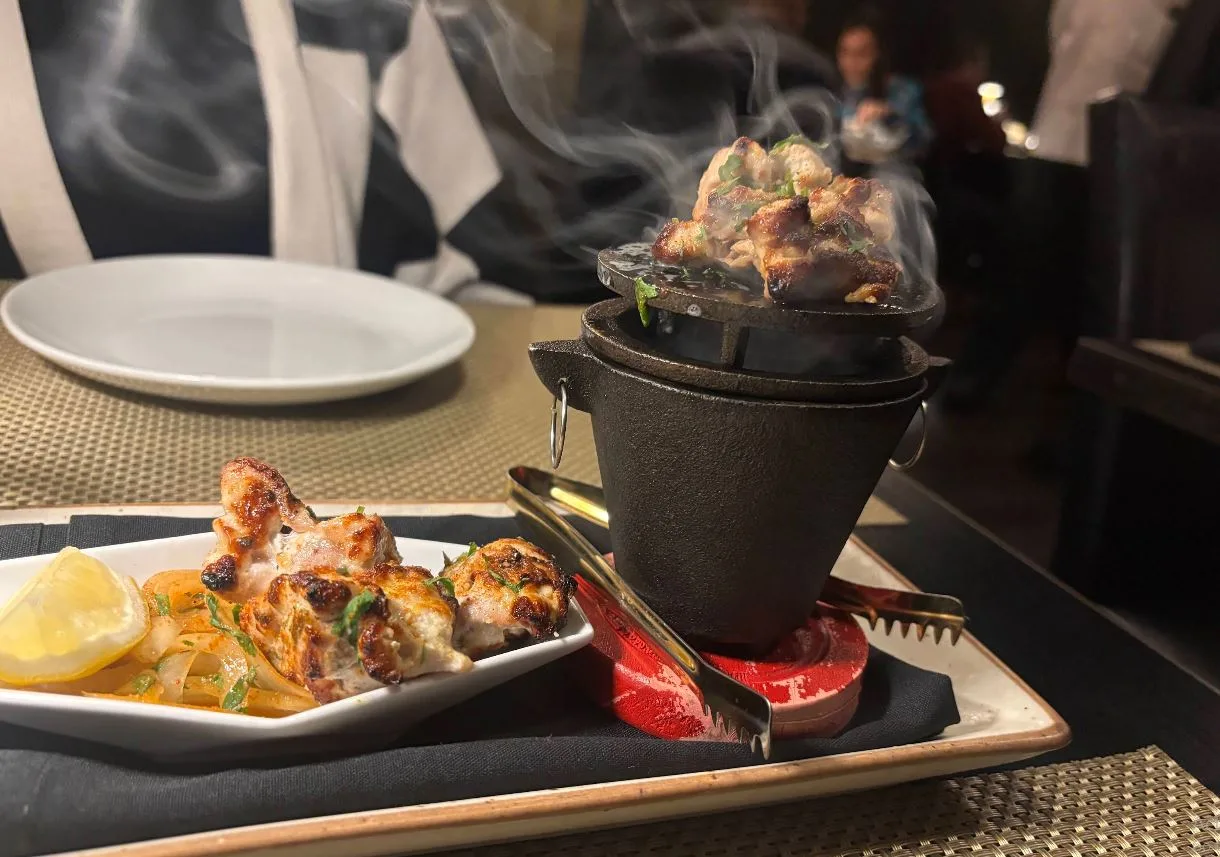
Indian weddings may provide extensive vegetarian and non-vegetarian selections, regional dishes, live counters and sweets. Menu formats differ according to family preferences.
Guests with allergies or medical restrictions should communicate them before arrival. They should not assume that familiar-looking food contains familiar ingredients.
Useful questions include:
- Is the dish vegetarian?
- Does it contain nuts?
- How spicy is it?
- Is alcohol served?
- Are vegan or gluten-conscious choices available?
- What time will the main meal begin?
Buffets can become busy, so senior guests may appreciate assistance.
What Is Appropriate Gift Etiquette?
Gift customs vary. Some couples prefer cash, registry gifts, charitable contributions or no gifts. Guests should follow the invitation or ask a close family contact.
Cash gifts may be placed in an envelope, often using an auspicious amount according to family custom. International visitors should request guidance instead of assuming a particular value.
The gift should be offered privately and respectfully, not used as a public comparison.
How Can Guests Manage a Multi-Day Stay?
Guests should review:
- Arrival and departure dates
- Accommodation confirmation
- Airport or station transfer
- Function schedule
- Dress requirements
- Meal timings
- Local weather
- Required identification
- Emergency contacts
- Luggage needs
Keeping each function’s clothing in a separate labelled bag can simplify preparation. Essential medicines and chargers should remain accessible.
Why Is Cultural Curiosity Valuable?
Questions are welcome when asked respectfully and at an appropriate time. Family members may enjoy explaining traditions, but they should not be expected to provide detailed commentary during an emotional ritual.
A short cultural guide prepared by the couple can explain important terms and expected participation. This reduces uncertainty while allowing guests to observe naturally.
Visitors should avoid making broad statements about “all Indian weddings” based on one family’s celebration.
How Can Hosts Support International Visitors?
Hosts can provide:
- Plain-language itinerary
- Ceremony descriptions
- Dress guidance
- Weather information
- Transport details
- Meal notes
- Primary contact person
- Translation where necessary
- Instructions about shoes and photography
- Information about respectful participation
The guide should be shared before guests travel, giving them enough time to arrange clothing and accommodation.
Planning an Internationally Accessible Wedding at Lohagarh
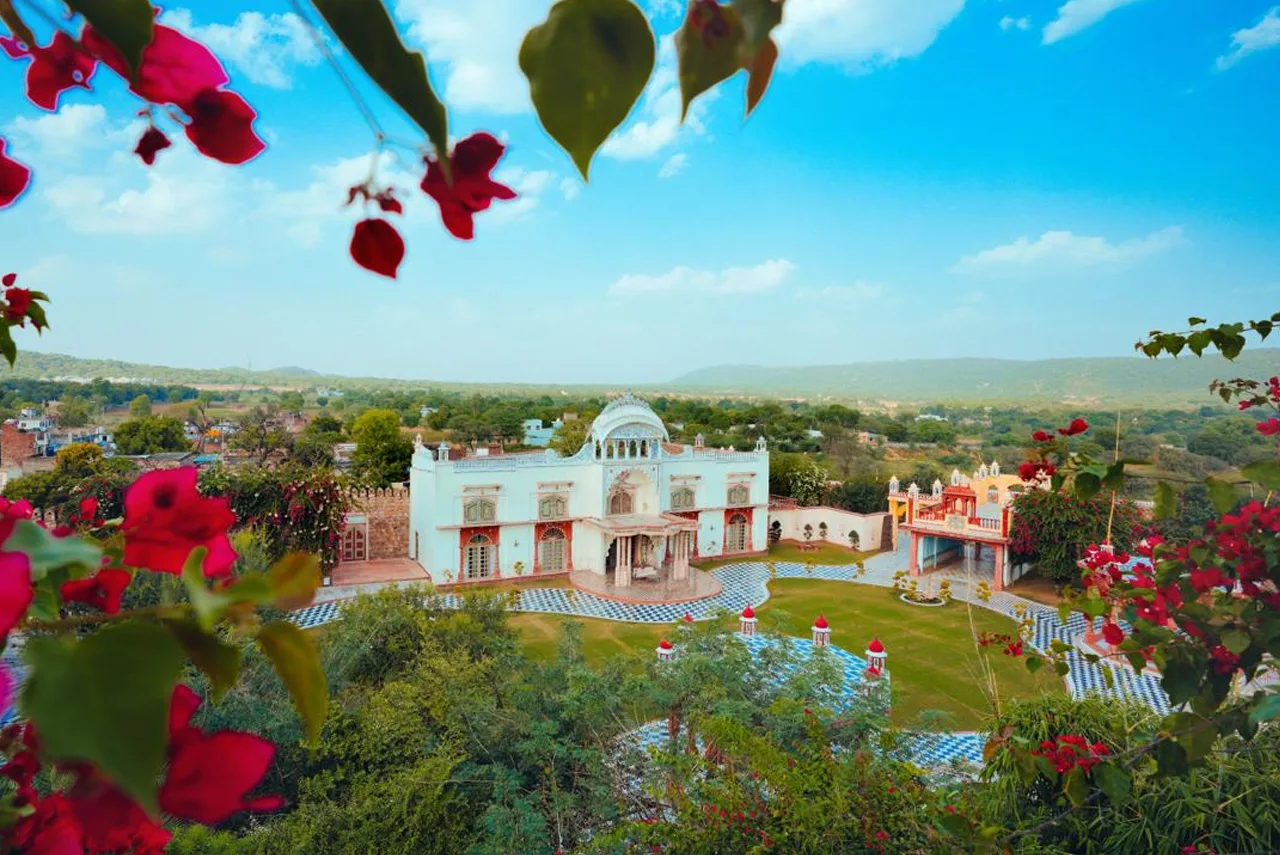
Couples who plan a wedding at Lohagarh Fort Resort can coordinate accommodation, function locations, dining and guest schedules within the wider resort campus.
For international guests, the couple can create a welcome programme covering check-in, cultural explanations, venue directions and leisure time. Clear signage and one dedicated contact person can help visitors move between rooms and ceremonies.
The property’s different indoor and outdoor settings may allow functions to have individual atmospheres while remaining part of one connected celebration.
Wrap-Up
International guests do not need to understand every ritual before arriving. Respect, curiosity and attention to the hosts’ guidance are more important than perfect cultural knowledge.
By reviewing the schedule, choosing appropriate clothing and observing sacred moments carefully, visitors can participate without anxiety. Hosts can make this easier through clear explanations and practical travel information.
An Indian wedding is often remembered for its colour and scale, but its deeper meaning lies in relationships, blessings and shared responsibilities. When visitors understand this, they can experience the celebration not as outside observers but as welcomed participants in an important family journey.