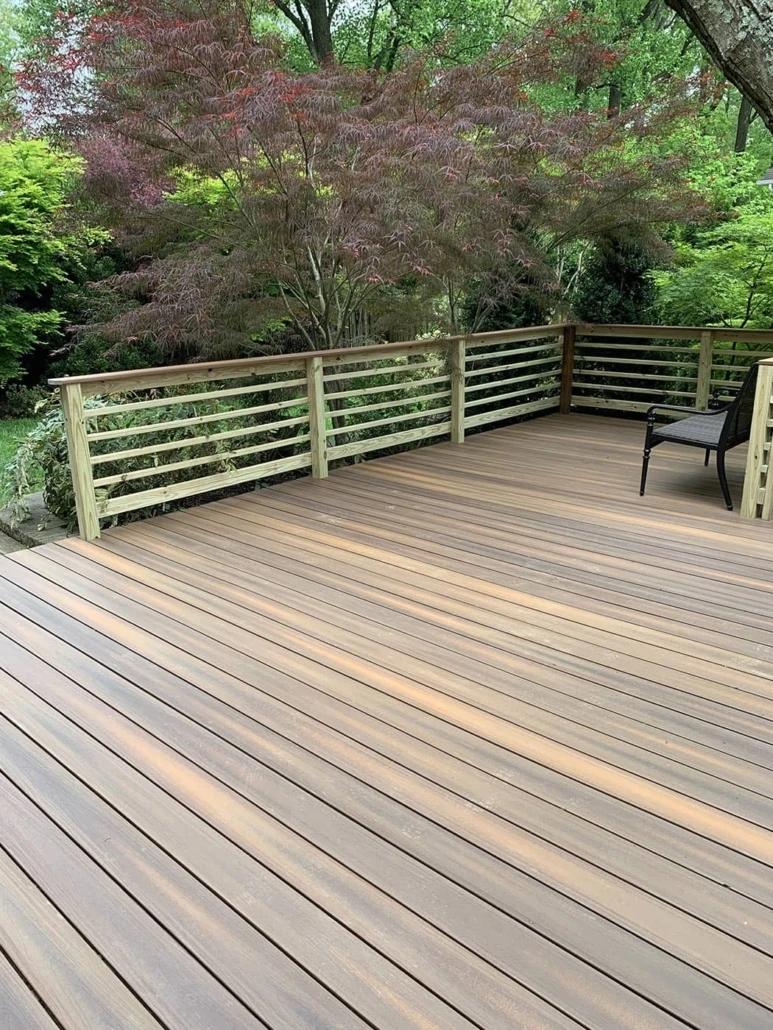
In this post, we'll talk about deck installation, deck contractors, what you should know before starting a deck installation, and other relevant subjects.
Adding a deck to your home is a great way to expand your outdoor living space and boost property value. Whether it's for entertaining guests, relaxing with family, or enjoying the outdoors, a deck can genuinely transform your backyard. But before you begin the installation process, you should know several key things. Proper planning, understanding your options, and professional Deck Installation Fairfax VA, will make all the difference in achieving your desired results.
Set a Realistic Budget
A well-built deck is an investment; your budget will guide many choices. Costs vary significantly based on size, material, location, and labor. Investing in upfront construction costs and long-term maintenance expenses is essential to avoid surprises later.
- Plan for extra costs: Don't just budget for materials and labor. Include costs like permits, design fees, stairs, railings, lighting, and post-installation maintenance. Always have a small cushion for unexpected expenses.
Choose the Right Materials
Decking materials have come a long way. You can choose natural wood, pressure-treated lumber, composite decking, and even PVC. Each option has its own pros and cons regarding appearance, durability, cost, and maintenance. Take time to research what best suits your climate and home aesthetic.
- Compare durability and upkeep: The wood looks natural but requires regular sealing. Composite and PVC materials are low-maintenance and long-lasting. Make your choice based on how much upkeep you're willing to handle.
Understand Local Building Codes
Building a deck isn't just a matter of hammering wood together—it has to meet local building codes and regulations. These codes ensure your deck is safe and properly constructed. You may also need permits before construction begins, especially if the deck is elevated or attached to your home.
- Check with your local authority: Always verify what permits are needed. Some areas require detailed plans or property surveys. Ignoring codes can lead to fines or tearing down a finished deck.
Hire a Reputable Deck Contractor
Unless you're experienced in construction, hiring a professional Deck Contractors Fairfax VA is highly recommended. A skilled contractor will help with design, ensure code compliance, manage materials, and deliver a structurally sound deck. Ensure they're licensed, insured, and have positive reviews or references.
- Ask the right questions: When interviewing contractors, inquire about their experience, timeframes, warranties, and past jobs. Get everything in writing, including the estimate and timeline, before signing a contract.
Consider the Design and Layout
Deck design is about more than just size. Think about shape, levels, railing styles, stair placement, built-in seating, and how it connects with your home. A good layout maximizes your outdoor space while blending smoothly with your home's architecture and landscaping.
- Maximize functionality: Choose a design that flows naturally. Include enough space for furniture, traffic, and activities. Think about views, sunlight exposure, and easy access to indoor areas like kitchens.
Think About the Sun and Shade
Sun exposure can significantly affect how comfortable your deck is throughout the day. If your deck gets full sun, include shade elements like pergolas, umbrellas, or retractable awnings. If you live in a shaded environment, you must use mold and mildew-resistant materials.
- Balance light and comfort: Incorporate both shady and open places. This not only improves comfort but also helps to preserve your deck furniture and flooring from UV damage over time.
Plan for Long-Term Maintenance
Even the most durable decks need care. Wood needs staining and sealing every few years, while composite decks may need occasional cleaning. Understand what maintenance your chosen materials require, and plan for seasonal upkeep to keep your deck looking great and functioning well.
- Don't skip regular care: Power washing, clearing debris, and inspecting for loose boards or nails should be part of your routine. Consistent maintenance extends the life of your deck and prevents major repairs.
Think About Safety Features
Safety should always be a top priority, especially for elevated decks. Railings, non-slip surfaces, lighting, and secure stairs are essential for preventing accidents. If children or pets use the deck, you must take extra safety precautions.
- Install secure railings and lighting: Add railings that meet code height and include lighting for stairs and walkways. Solar or LED lights improve nighttime visibility and safety without increasing your electric bill.
Add Personal Touches and Features
Your deck should represent your unique taste while also improving outdoor living experiences. Built-in seating, plants, fire pits, and an outdoor kitchen might take your deck to the next level. These features not only make your home more pleasant, but they may also increase its value.
- Customize your space: Built-in seats and lights give a sophisticated appearance. Consider adding storage, privacy screens, or artistic railings to make your deck attractive and functional.
Factor in the Season and Timeline
Deck installation can be weather-sensitive, so it's smart to plan based on your local climate. Spring and early summer are popular times for building, but schedules can fill up fast. Book your contractor in advance and leave some room for unexpected delays due to rain or materials.
- Plan your timeline early: Depending on complexity, deck projects can take a few days to several weeks. Start early so it's ready for the warm season, and communicate regularly with your contractor for updates.
Don't Overlook Drainage and Foundation
Your deck's lifetime depends on proper drainage and a firm base. If there is insufficient water movement, moisture can accumulate and produce rot or structural problems. Your contractor should evaluate the slope and soil to establish a sturdy foundation with proper drainage solutions.
- Prevent water damage: Use footings, concrete piers, or gravel pads to stabilize and dry your deck. Water-resistant barriers or flashing around your home can also help safeguard it.
Final Thoughts
Starting a deck installation is compelling, but it should not be rushed. The more acquainted you are, the better your outcomes will be. Every factor is important, from choosing materials and finding the suitable deck contractor to understanding permits and safety. Take the time to plan, ask questions, and create a setting you will love for years. A well-built deck is an external extension of your home, not merely an addition.