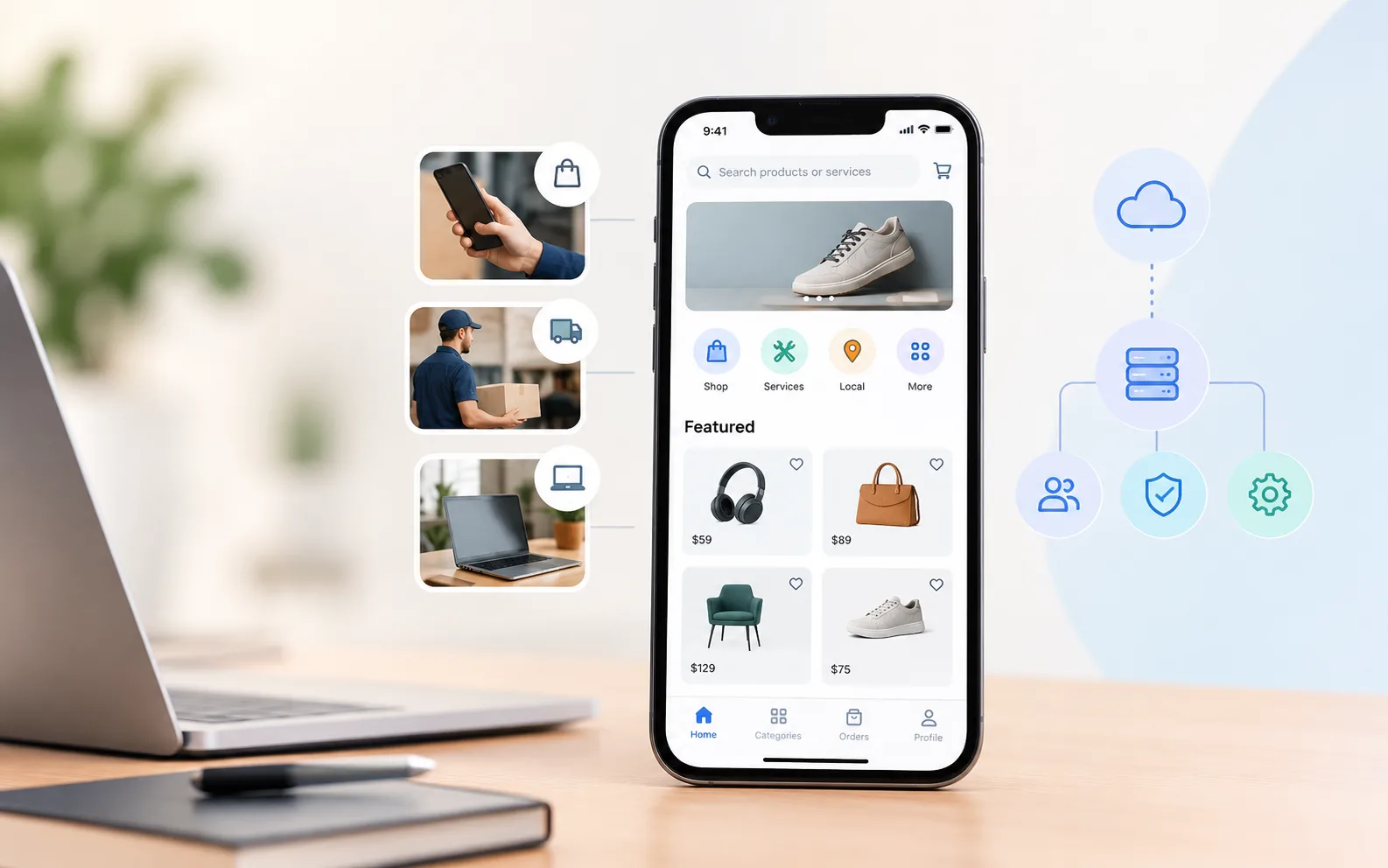
The jewellery industry has always been built on trust, emotion, and personal relationships. Whether a customer is buying an engagement ring, selecting a luxury necklace, or browsing custom-made pieces, the experience is deeply personal and often emotionally driven. In today’s digital-first world, however, customer expectations have evolved significantly. Buyers no longer rely solely on in-store visits—they research online, compare brands across platforms, and expect instant, personalized responses at every stage of their journey.
This is where conversational AI for jewellers becomes a transformative force. By combining artificial intelligence with natural language interaction, jewellery brands can create seamless, omnichannel communication experiences that bridge the gap between physical and digital retail.
Understanding Omnichannel Communication in the Jewellery Industry
Omnichannel communication refers to a unified customer experience across all channels—website, social media, email, messaging apps, and physical stores. For jewellers, this means that a customer should be able to:
- Start browsing on Instagram
- Continue the conversation on WhatsApp
- Ask questions via a website chatbot
- Visit a physical store and receive personalized recommendations based on previous interactions
The goal is continuity. Customers expect brands to remember their preferences, past conversations, and purchase history, regardless of the channel they use.
However, achieving this level of integration manually is extremely difficult. Sales teams cannot be available 24/7 across all platforms, and traditional customer support systems often fail to deliver real-time personalization. This is where conversational AI becomes essential.
What Is Conversational AI for Jewellers?
Conversational AI for jewellers refers to AI-powered systems—such as chatbots, virtual assistants, and messaging automation tools—designed specifically to interact with customers in natural language. These systems can understand queries, provide product recommendations, assist with purchase decisions, and even support post-sale services.
Unlike basic chatbots, conversational AI uses machine learning and natural language processing (NLP) to:
- Understand customer intent
- Provide context-aware responses
- Learn from past interactions
- Deliver personalized recommendations
For jewellery brands, this means being able to simulate a knowledgeable sales assistant available 24/7 across multiple platforms.
Why Jewellery Businesses Need Conversational AI
Jewellery is not an impulse purchase for most customers. It often involves research, comparison, and emotional decision-making. Customers may have questions such as:
- “Which diamond cut is best for engagement rings?”
- “Do you offer customization services?”
- “What is the difference between platinum and white gold?”
- “Can I see this necklace in a different size or design?”
If these questions are not answered quickly, potential buyers may abandon the purchase and move to a competitor.
Conversational AI solves this problem by ensuring immediate engagement. It reduces response time from hours (or days) to seconds, significantly improving conversion rates.
Enhancing Customer Experience Through Personalization
One of the biggest advantages of conversational AI is its ability to deliver highly personalized experiences.
Instead of offering generic responses, AI systems can analyze:
- Customer browsing behavior
- Previous purchases
- Budget range
- Style preferences
- Geographic location
Based on this data, AI can suggest relevant products. For example, if a customer frequently views minimalist gold rings, the system can prioritize similar designs in future interactions.
This level of personalization helps jewellers build stronger emotional connections with customers, increasing trust and brand loyalty.
Omnichannel Integration: A Unified Brand Experience
Modern customers interact with jewellery brands across multiple touchpoints. Conversational AI helps unify these interactions into a single ecosystem.
1. Website Chatbots
AI-powered chatbots on jewellery websites act as the first point of contact. They assist visitors in:
- Finding products
- Answering FAQs
- Booking appointments
- Offering style recommendations
2. Social Media Messaging
Platforms like Instagram and Facebook are crucial for jewellery marketing. Conversational AI can handle direct messages, respond to product inquiries, and even guide users to checkout pages.
3. Messaging Apps
Apps like WhatsApp are increasingly used for customer communication. AI assistants can provide order updates, answer questions, and send personalized offers.
4. In-Store Integration
Some advanced systems connect online conversations with in-store experiences. For example, a customer who interacts with an AI assistant online can walk into a store and receive personalized recommendations from a human sales associate based on prior AI interactions.
This seamless transition across channels defines true omnichannel communication.
Increasing Sales Through Smart Recommendations
Conversational AI does more than answer questions—it actively drives sales.
By analyzing user behavior and preferences, AI can suggest:
- Complementary jewellery pieces
- Matching sets (e.g., earrings + necklace combinations)
- Higher-value alternatives (upselling)
- Budget-friendly options (cross-selling)
For example, if a customer is viewing a diamond engagement ring, the AI assistant might suggest matching wedding bands or offer customization options.
This not only increases average order value but also enhances the shopping experience by making it more curated and thoughtful.
Reducing Customer Support Workload
Jewellery businesses often receive repetitive questions about:
- Pricing
- Shipping
- Return policies
- Materials and certifications
Conversational AI can automate responses to these queries, freeing up human staff to focus on complex or high-value interactions.
This improves operational efficiency and ensures that customers receive instant support, even outside business hours.
Building Trust in High-Value Purchases
Trust is a critical factor in jewellery sales. Customers need reassurance about authenticity, quality, and pricing transparency.
Conversational AI helps build trust by:
- Providing detailed product information instantly
- Explaining certification and grading systems (e.g., GIA diamonds)
- Offering transparent pricing breakdowns
- Guiding customers through secure payment processes
By offering reliable and consistent information, AI reduces hesitation and supports confident buying decisions.
Real-World Use Cases in Jewellery Retail
Virtual Jewellery Assistant
Many brands deploy AI assistants that act like digital sales consultants. They help customers choose jewellery based on occasion, budget, and style.
Appointment Booking Automation
AI systems can schedule consultations with in-store experts, making the transition from online browsing to offline buying seamless.
Order Tracking and Notifications
Customers can ask the AI about order status, delivery updates, or return processes without contacting human support.
Custom Design Assistance
Some advanced systems even help customers design custom jewellery by collecting preferences and passing them to designers.
Challenges of Implementing Conversational AI
Despite its benefits, implementing conversational AI is not without challenges.
1. Data Integration
To provide personalized experiences, AI needs access to customer data across platforms. Integrating this data securely can be complex.
2. Maintaining Human Touch
Jewellery buying is emotional. Over-automation can make interactions feel robotic if not designed carefully.
3. Product Complexity
Jewellery products often have detailed specifications. Training AI to understand and explain these accurately requires high-quality data.
4. Language and Cultural Sensitivity
Jewellery has cultural significance in many regions. AI systems must be adapted to local languages and cultural expectations.
Best Practices for Jewellery Brands
To maximize the benefits of conversational AI, jewellers should follow these best practices:
- Use hybrid systems combining AI and human support
- Continuously train AI models with updated product data
- Ensure seamless omnichannel integration
- Focus on personalization, not just automation
- Maintain brand tone and emotional storytelling
- Regularly analyze customer interaction data for improvements
The Future of Conversational AI in Jewellery Retail
The future of jewellery retail will be heavily influenced by AI-driven communication systems. We can expect:
- Voice-enabled shopping assistants
- AI-powered virtual try-ons using AR
- Predictive recommendations based on lifestyle data
- Fully automated yet personalized luxury shopping experiences
As technology evolves, conversational AI for jewellers will move from being a competitive advantage to a standard industry requirement.
Brands that adopt it early will have a significant edge in customer engagement, loyalty, and revenue growth.
Conclusion
The jewellery industry thrives on emotion, trust, and personalization—qualities that align perfectly with the capabilities of conversational AI. By enabling seamless omnichannel communication, improving customer engagement, and delivering personalized experiences, AI is transforming how jewellers interact with their customers.
From initial inquiry to final purchase and post-sale support, conversational AI ensures that every interaction is meaningful, timely, and consistent across all channels.
For modern jewellery businesses aiming to stay competitive in a digital-first world, adopting conversational AI for jewellers is no longer optional—it is essential for long-term success.