
Homeowners in Chapel Hill should focus on moisture control and local energy standards before starting any project. Proper residential insulation requires an airtight seal to handle the high humidity and variable temperatures of North Carolina. Choosing a high R-value material for the attic and crawl space helps lower power bills and keeps indoor air fresh.
This guide provides a full look at the steps needed for a successful home upgrade. Readers will learn about material types, local climate needs, and how to find the right team for the job. Following these professional tips ensures a more comfortable living space and better long-term savings for every household.
Expertise in property management and building energy shows that air leaks often waste more money than thin materials. Addressing these gaps before adding new layers is the best way to get the most value from the work. This information comes from years of field experience in home comfort and structural health.
Immediate Benefits of Proper Material Selection
Selecting the right material helps a home stay cool during hot summers and warm during chilly winters. In Chapel Hill, the weather changes quickly, which puts a lot of stress on heating and cooling systems. Good residential insulation services provide a barrier that stops heat from moving through walls and ceilings.
When the heat stays outside in July, the air conditioner does not have to work as hard to keep things cool. This leads to lower monthly costs and less wear on the HVAC unit. Homeowners often notice that rooms stay at a steady temperature without the system constantly turning on and off.
Better materials also help block outside noise from traffic or neighbors. This creates a quieter and more peaceful environment inside the house. High-quality layers also help prevent dust and pollen from entering through small cracks in the structure.
Understanding R Value Needs for North Carolina Homes
The R-value measures how well a material resists heat flow. Higher numbers mean better performance in blocking heat from entering or leaving the home. North Carolina sits in a specific climate zone that requires certain R-values to meet local building codes and comfort goals.
Attics usually need the highest R-value because heat rises and escapes through the roof in winter. In the summer, the sun beats down on the shingles and pushes heat into the living space. Local residential insulation experts usually suggest an R-value between R-38 and R-60 for attic spaces.
Walls and floors have different requirements based on how the house is built. Most crawl spaces need enough coverage to prevent cold floors and moisture buildup. Checking the current levels helps determine how much more material is needed to reach modern standards.
Regional R Value StandardsMost local homes fall into Climate Zone 4, which has specific rules for energy efficiency. These standards ensure that buildings use less power while keeping people comfortable. Meeting or exceeding these levels can also increase the resale value of a property.
Building codes provide the minimum requirements, but many people choose to go higher for better savings. Because every house is different, professionals look at the age of the home and the current setup to give the best advice. They make sure every inch of the thermal envelope is covered correctly.
Bonus Tips for Attic Prep
Before adding new materials, it is helpful to clear out any old storage items or debris. This gives the team a clear space to work and ensures they can see every gap that needs sealing. Removing old, damaged material is often better than simply covering it up.
Checking for roof leaks is also a smart move before starting any work. Moisture can ruin new materials and lead to mold growth if a leak is not fixed first. A dry attic is a healthy attic that stays efficient for many years.
Comparing Popular Materials for Local Weather
Different materials offer various benefits depending on the part of the house being treated. Fiberglass batts are common but might not stop air flow as well as other options. Cellulose is a recycled option that works well in blown-in applications for hard-to-reach spots.

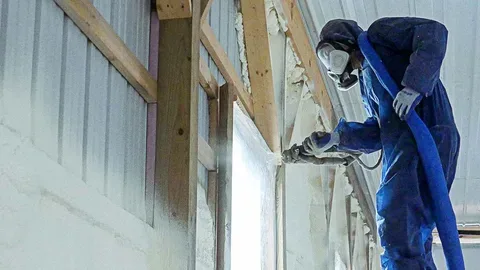
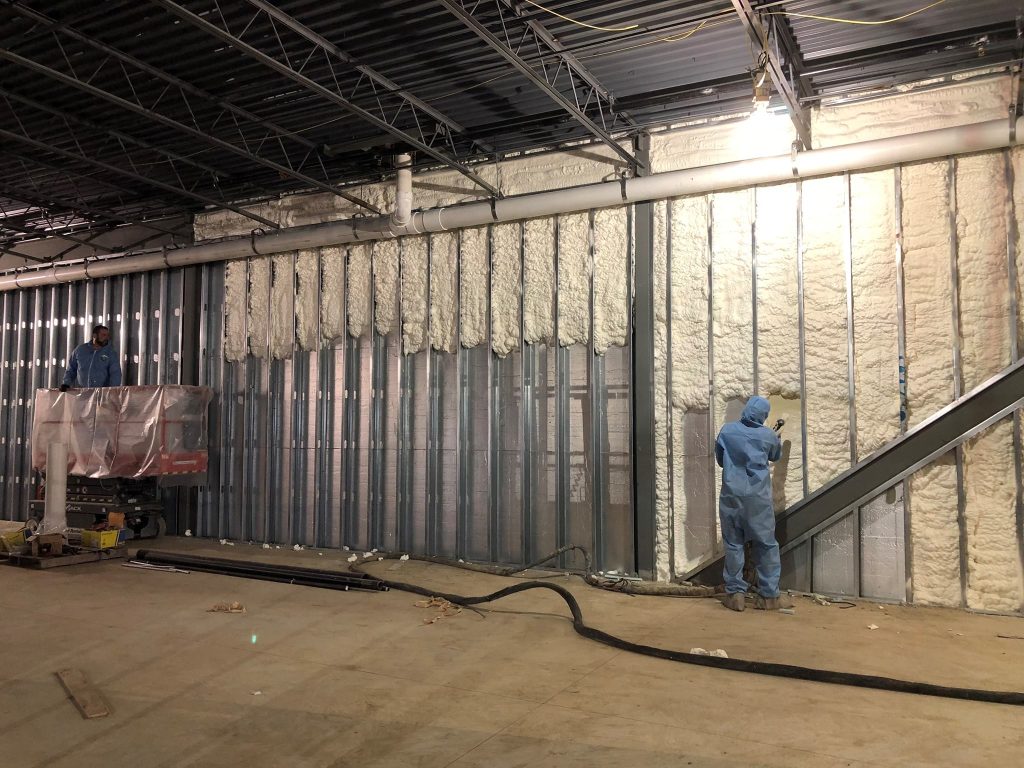
Spray foam is often considered the most effective choice for the North Carolina climate. It expands to fill gaps, which creates a built-in air seal that other materials lack. This helps manage the high humidity levels that Chapel Hill experiences throughout the year.
Material TypeR-Value per InchAir Sealing AbilityMoisture ResistanceSpray Foam (Closed Cell)6.0 - 7.0ExcellentHighSpray Foam (Open Cell)3.5 - 3.8GoodModerateFiberglass Batts3.1 - 3.4LowLowBlown-In Cellulose3.2 - 3.8ModerateModerateSpray Foam versus Traditional Options
Traditional materials like fiberglass are often cheaper to buy at the start. However, they can sag over time or lose their effectiveness if they get damp. They also do not stop air from moving through the fibers, which means drafts can still happen.
A residential insulation contractor often recommends spray foam for its ability to stay in place. It sticks to the wood and does not settle or shrink as the years go by. This means the house stays protected without needing a refill or adjustment every decade.
Spray foam also acts as a vapor barrier in some cases, which is great for crawl spaces. It keeps the damp earth from making the floors feel cold or musty. Many people find that the higher initial cost is worth the long-term performance.
Cost versus Long Term ValueWhile some options cost more today, they save more money on utility bills every month. A home that uses less energy is cheaper to run and has a smaller carbon footprint. Over ten years, the savings often cover the price of the upgrade.
Lower energy use also means the furnace and air conditioner last longer. These machines do not have to run at full speed to fight against heat loss. This prevents expensive repairs and keeps the home comfortable during extreme weather events.
Things to Consider Before Making a Decision
Homeowners should look at the whole house as a system rather than just one room. Improving the attic but ignoring the crawl space might not solve all the comfort issues. A full assessment helps find the biggest problems so they can be fixed first.
Thinking about how long a family plans to stay in a home is also helpful when making a choice. If it is a forever home, investing in top-tier materials makes a lot of sense. For those looking to sell soon, meeting the standard codes might be the main goal.
- Check for any signs of mold or rot in the wood before starting.
- Ensure the home has proper ventilation to prevent moisture traps.
- Look at the age and condition of the current HVAC system.
- Determine if the goal is better soundproofing or just energy savings.
- Review local rebates or tax credits for energy efficiency upgrades.
Air Sealing and Ventilation
Insulation works best when the air is not moving through it. Small holes for wires, pipes, and light fixtures can let a lot of air escape. A good residential insulation company will seal these spots with foam or caulk before adding the main layers.
Ventilation is just as important as sealing because the house needs to breathe. If a home is too tight, moisture can get stuck inside and cause issues. Professionals balance the seal with the right amount of airflow to keep the air fresh and safe.
This balance is what keeps the attic cool and dry. Proper vents allow hot air to exit while fresh air comes in from the bottom. This prevents the shingles from getting too hot and helps the whole system work better.
Hiring the Right TeamFinding a local expert is better than hiring someone from far away. Local teams understand the specific weather patterns and building styles in Chapel Hill. They know which materials handle the humidity the best and how to install them safely.
Ask for references or look at photos of past jobs to see the quality of their work. A reliable team will be happy to explain their process and answer any questions. They should also provide a clear estimate that shows the materials and the R-value they plan to achieve.
Bonus Tips for Choosing a Professional
Verify that the team has the right insurance and licenses for North Carolina work. This protects the homeowner in case of any accidents during the installation. It also shows that the business follows professional standards and rules when providing Residential Insulation in Chapel Hill, NC. Choosing a qualified contractor helps ensure the project is completed safely and according to industry regulations.
Always get a written contract that outlines the timeline and the final cost. This prevents surprises and ensures everyone is on the same page. Clear communication is the mark of a great service provider who cares about their customers.
Future Maintenance
Most modern materials do not need much work once they are installed. However, it is good to peek into the attic once a year to check for any signs of pests or leaks. Catching a problem early makes it much easier and cheaper to fix.
If a home has a major renovation, the layers might need to be adjusted. Adding new lights or moving walls can break the air seal. A quick check after construction ensures the home stays efficient and cozy.

Questions People Ask About Local Projects
Does new material help with summer humidity?
Yes, high-quality materials and air sealing prevent humid air from leaking into the house. This makes the air conditioner more effective at removing moisture from the indoor air.
How long does the installation process take?
Most residential projects take one to two days to complete. Larger homes or those needing old material removed might take a little longer.
Will the work make the home smell?
Some materials, like spray foam, have a brief odor during the curing process. Most teams suggest staying out of the house for 24 hours to let the air clear completely.
Can I install these materials myself?
While some batts can be DIY, spray foam and blown-in options require special tools. Hiring professionals ensures the job meets building codes and provides the best seal.
Is there a best time of year for this work?
Spring and fall are great times because the temperatures are mild. However, professionals work year-round to help homeowners get their energy bills under control.
Taking the Next Steps
Homeowners who take the time to learn about their options often end up with better results. Focusing on the R-value and air sealing is the best way to handle the Chapel Hill climate. A well-protected home is a smart investment that pays back every month in comfort and savings.
The best path forward is to have a professional look at the current setup. They can find the weak spots and suggest the most helpful changes. Making a plan now ensures the home is ready for whatever the next season brings.
Professional Assistance in Chapel Hill
For those looking to improve their home, Raleigh Excel Spray Foam Insulation offers expert help. They focus on high-quality service and durable results for every project. Their team understands local needs and provides the right solutions for every budget. To learn more about their work, contact them at [email protected] or call (919) 301-9435. They are ready to help create a more efficient and comfortable living space for everyone in the area.
Author: Edith has extensive experience in residential and commercial property management and is dedicated to helping clients improve energy efficiency, comfort, and indoor air quality through advanced insulation solutions.
Reviewer: With nearly a decade in the spray foam insulation field, William Harris reviewed this post and provided guidance that reflects both technical understanding and real-world marketing experience.