If your home or business needs electrical work, understanding the difference between low and high voltage electrical services can save you a lot of stress and even protect your property. Most people don’t give it a second thought until the lights flicker, the security system fails, or heavy machinery won’t power up. But electrical systems are not one-size-fits-all. Knowing what kind of service you need isn't just helpful, it's critical.
Let’s break it down so you can see why calling in licensed professionals for electrical low-voltage, high-voltage service is the smart move every time.
What Is Low-Voltage Electrical Service?
Low voltage doesn’t mean “less important.” These are the systems that handle all your behind-the-scenes essentials. We're talking about wiring for:
- Lighting controls
- Doorbells
- Security systems
- Audio and video systems
- Internet and telecom lines
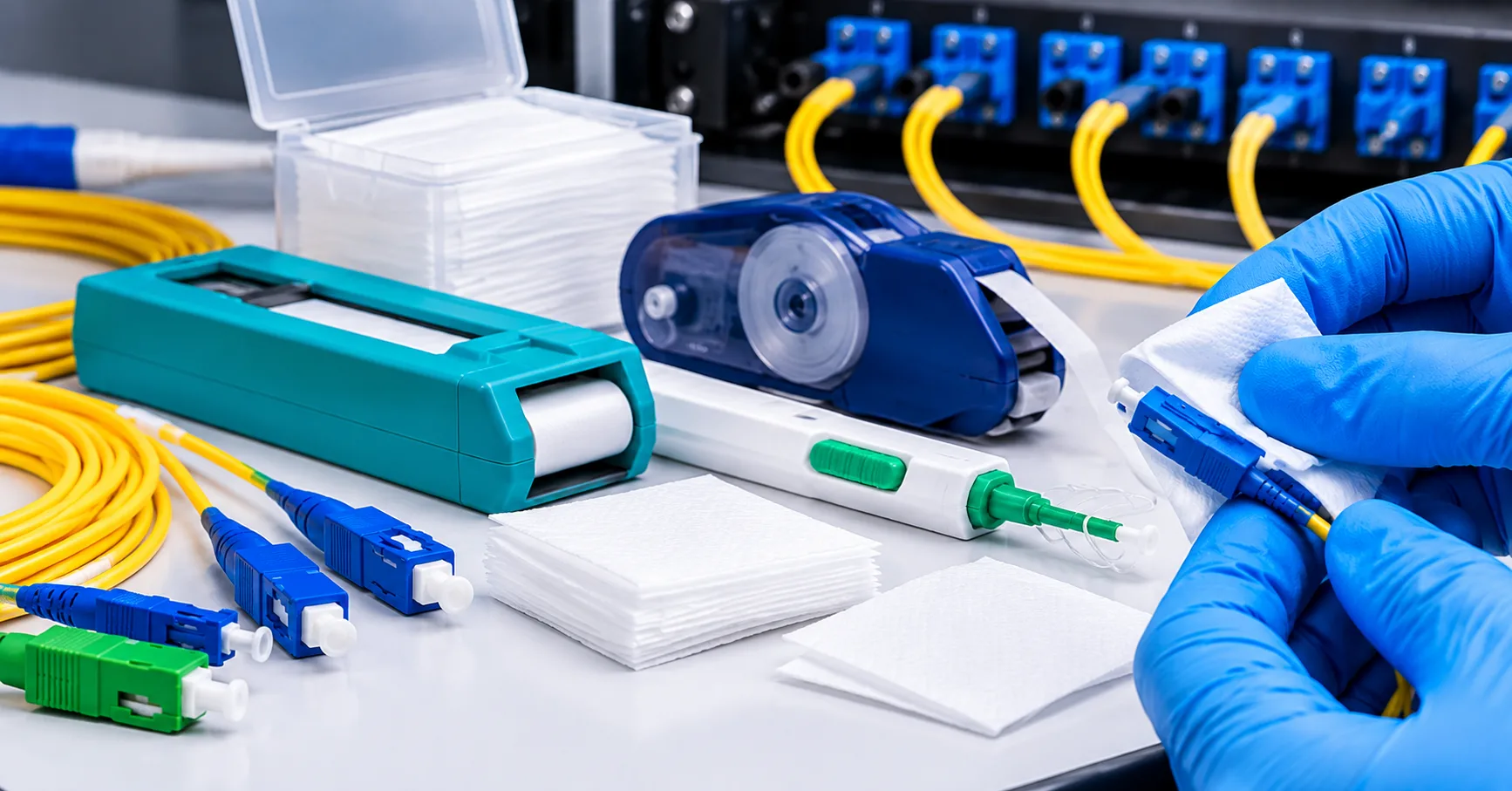
Low voltage typically runs under 50 volts and is designed for communication, control, and safety systems. If your internet goes out or your alarm system fails, it’s often a low-voltage issue.
These systems may seem small, but they are incredibly complex. Whether you’re upgrading a drinking water system with smart features or installing a modern entertainment setup, proper low-voltage wiring is essential. And trust us, this is not something you want to mess with on your own.
What Is High-Voltage Electrical Service?
Now let’s talk power. High voltage services deal with the heavy-duty stuff—anything from 600 volts and up. This includes:
- Main electrical panels
- Industrial equipment
- Power transformers
- HVAC systems
- Electrical grids
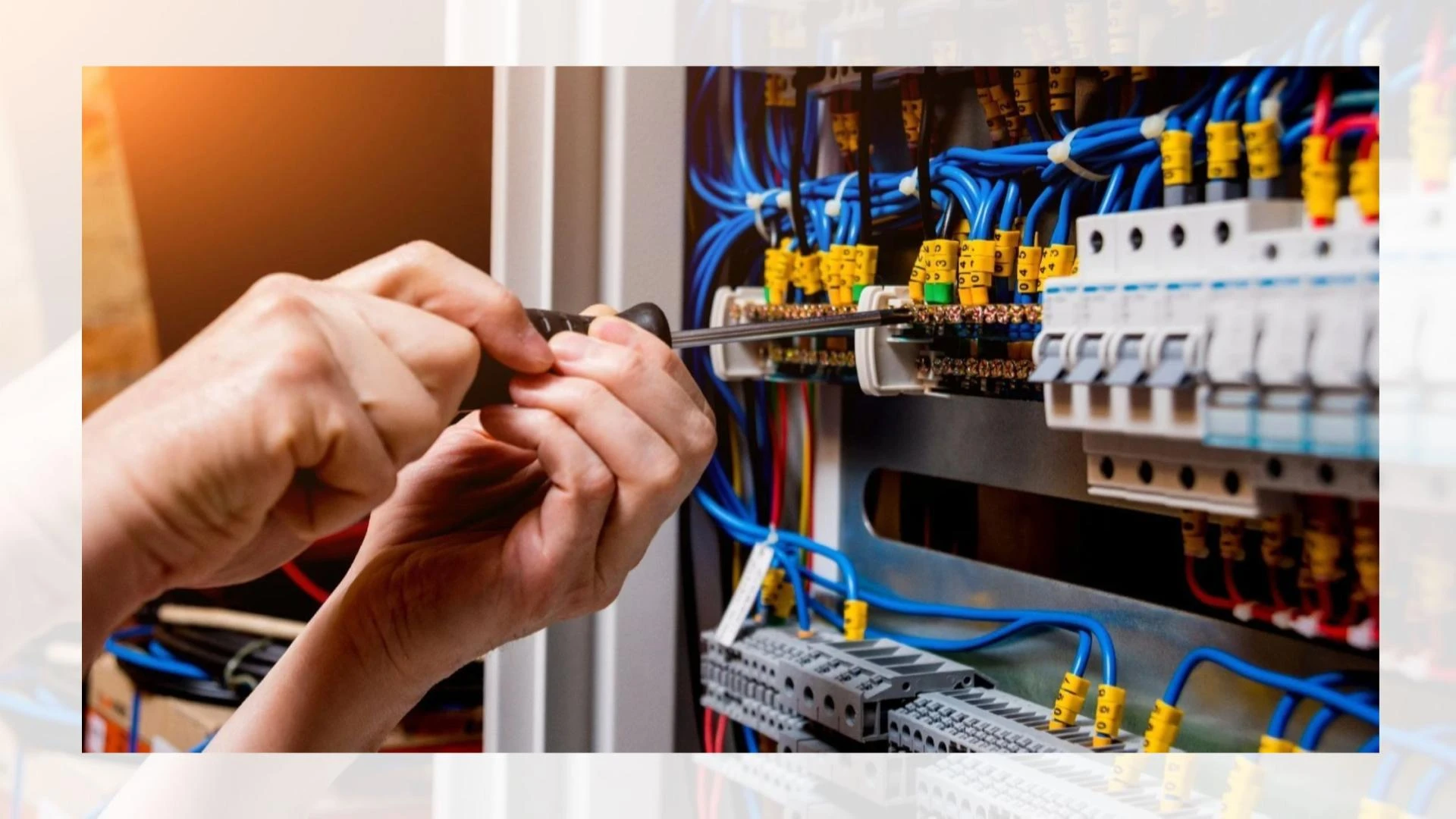
If you’re renovating a commercial space or powering up a large appliance, you’ll need high-voltage expertise. These systems handle serious electricity and require strict compliance with codes and safety standards. That’s why certified technicians are trained to manage these jobs with precision. Whether it’s for industrial machinery or powering a large home, electrical low-voltage high high-voltage service ensures every component is installed safely and correctly.
How These Services Impact Daily Life
Still not convinced it’s worth hiring an expert? Let’s put it this way: without proper low-voltage wiring, your Wi-Fi could be spotty. Your alarm system could fail. Your smart thermostat might stop responding.
On the high voltage side, faulty wiring could short your HVAC system, trip breakers, or create dangerous fire risks. No joke.
Even health-related systems like alkaline water in Los Angeles homes use smart filtration units that depend on safe electrical integration. Skimping on service is just not worth the risk.
Why Professional Services Are a Must
Getting professional electrical low voltage high voltage service isn’t just a box to check—it’s an investment in safety, reliability, and peace of mind. Pros use advanced diagnostic tools, understand city codes, and install systems that last.
Whether you’re dealing with electrical services in Santa Monica or upgrading to a smart drinking water system, hiring trained professionals ensures the job gets done right. And in a city where technology meets lifestyle, like alkaline water in Los Angeles homes, expert electrical work keeps everything flowing literally.
Final Thoughts
Understanding the difference between low and high voltage isn’t about doing the job yourself. It’s about knowing why you need licensed experts who handle each voltage type with skill. Whether you're powering up a new system or updating existing wiring, trusting professional electrical low-voltage, high-voltage service is the smartest call you can make.