Egypt is experiencing rapid development across infrastructure, transportation, and industrial sectors. With new projects, expanding cities, and increased trade activities, the movement of vehicles has grown significantly. From logistics trucks and service vehicles to private and government transport, managing vehicle access has become more complex.
As this growth continues, so does the need for stronger security systems. Traditional methods are no longer enough to handle modern risks, leading organizations to explore smarter vehicle security solutions that offer better protection and efficiency.
Rising Security Threats and Risk Awareness
One of the primary drivers behind the shift toward smarter vehicle security is the growing awareness of potential threats. Vehicles can be used to transport unauthorized materials or conceal dangerous objects, making them a key focus in security planning.
Facilities such as ports, industrial zones, government buildings, and energy sites must remain vigilant. Even a single security lapse can result in significant operational and financial consequences.
This increased awareness has encouraged organizations to invest in technologies that can detect threats early and reduce vulnerabilities at entry points.
Limitations of Traditional Security Methods
Traditional vehicle inspection methods often rely on manual checks and visual inspections. While these approaches have been used for years, they come with several limitations.
Manual inspections can be slow, inconsistent, and prone to human error. In high-traffic environments, security personnel may not have enough time to thoroughly inspect every vehicle. This increases the risk of missing hidden threats.
Additionally, traditional systems lack the ability to provide real-time data and automated alerts, making it harder to respond quickly to potential risks.
These limitations have created a strong need for smarter, technology-driven solutions.
The Role of Advanced Technology in Security Transformation
Technology is playing a central role in transforming vehicle security across Egypt. Modern systems use advanced imaging, sensors, and data analytics to improve inspection and monitoring processes.
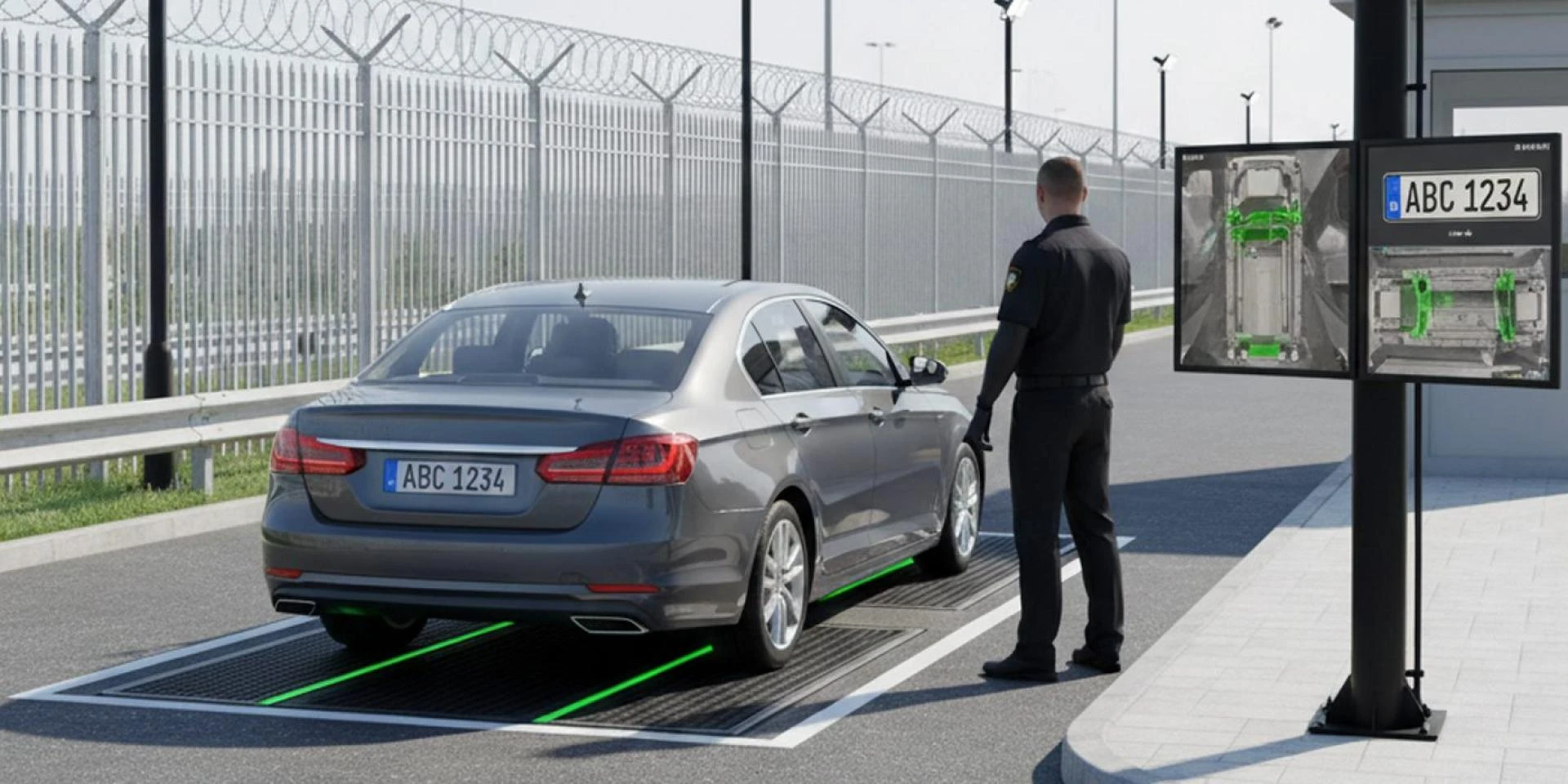
Automated solutions can scan vehicles, capture detailed images, and analyze them instantly. This allows security teams to identify suspicious objects or anomalies more efficiently.
A uvis system is one such technology that enhances vehicle inspection by scanning the underside of vehicles. It provides clear and detailed visuals that help detect hidden threats that may not be visible during manual checks.
By integrating such technologies, organizations can significantly improve their security capabilities.
Increasing Traffic Volumes at Critical Facilities
Another key factor driving the shift toward smarter vehicle security is the rise in traffic at critical facilities. Industrial hubs, logistics centers, and urban entry points handle a large number of vehicles every day.
Managing this volume while maintaining strong security can be challenging. Manual processes often lead to delays, congestion, and reduced efficiency.
Smart security systems address this issue by automating inspections and allowing vehicles to pass through checkpoints quickly. This ensures that facilities can maintain smooth operations without compromising safety.
The Need for Real-Time Monitoring and Quick Response
Modern security environments require systems that can provide real-time information. Delayed responses can increase the risk of incidents and reduce the effectiveness of security measures.
Smart vehicle security systems offer real-time monitoring capabilities, allowing operators to receive instant alerts when anomalies are detected. This enables quick decision-making and immediate action.
For example, if a suspicious object is identified during a vehicle scan, security personnel can stop the vehicle and conduct further checks before it enters a restricted area.
This proactive approach is essential for preventing security breaches.
Reducing Human Error Through Automation
Human error is a major concern in traditional security operations. Fatigue, distractions, and time pressure can affect the accuracy of manual inspections.
Automation helps reduce this risk by ensuring that every vehicle is inspected using consistent procedures. Automated systems do not rely on human judgment alone, making them more reliable in detecting potential threats.
This consistency improves overall security performance and builds confidence in the system.
Data-Driven Security Management
Modern vehicle security systems generate valuable data that can be used to improve security strategies. Inspection records, vehicle logs, and monitoring data provide insights into patterns and trends.
Organizations can analyze this data to identify vulnerabilities, optimize processes, and enhance decision-making. For example, repeated irregularities in certain vehicles may indicate the need for stricter screening measures.
Data-driven security management allows organizations to adapt to changing conditions and continuously improve their systems.
Integration with Broader Security Infrastructure
Smarter vehicle security is most effective when integrated with other security technologies. Surveillance cameras, access control systems, and license plate recognition tools can all work together to create a comprehensive security network.
This integration provides a complete view of facility operations, allowing security teams to monitor all activities from a central platform.
A layered approach to security ensures that multiple systems support each other, increasing the chances of detecting potential threats.
Supporting National Growth and Infrastructure Protection
Egypt’s growing infrastructure is a key driver of economic development. Protecting these assets is essential for maintaining stability and ensuring long-term growth.
Smarter vehicle security systems help safeguard critical facilities by reducing risks and improving threat detection. By adopting advanced technologies, organizations can protect their operations and contribute to national security.
Preparing for the Future of Security
The future of vehicle security will continue to evolve with advancements in technology. Artificial intelligence, machine learning, and predictive analytics are expected to play a larger role in identifying potential threats.
These technologies may enable systems to detect unusual patterns and provide proactive alerts before incidents occur.
Organizations that invest in smarter vehicle security solutions today will be better prepared to adapt to these future developments.
Conclusion
The shift toward smarter vehicle security in Egypt is driven by a combination of factors, including rising threats, increasing traffic volumes, and the limitations of traditional methods. Advanced technologies are enabling organizations to improve inspection accuracy, enhance efficiency, and respond to threats in real time.
By adopting modern security solutions, facilities can maintain safe and efficient operations while protecting critical infrastructure.
As Egypt continues to grow and develop, smarter vehicle security will play a vital role in ensuring a secure and resilient future.