
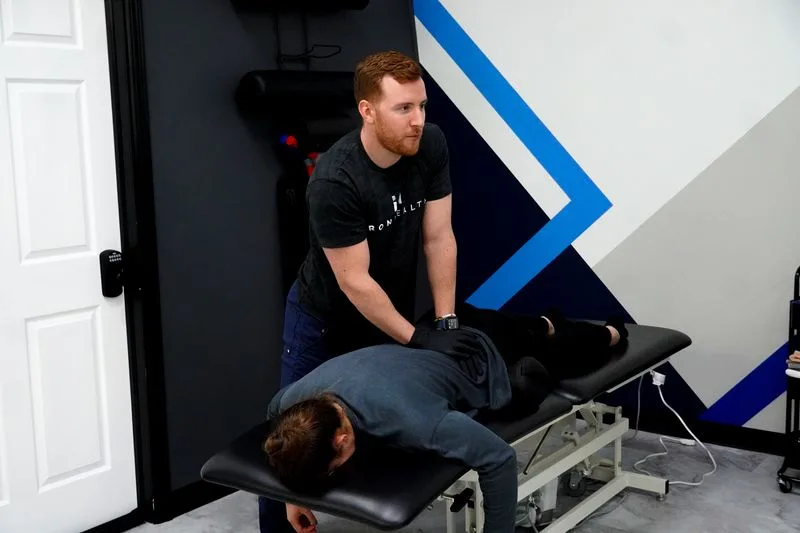
The U.S. physical and occupational therapy industry grew 6.4 percent in a single year, reaching roughly 53 billion dollars in 2024, and demand keeps climbing as more patients seek rehabilitation as an alternative to long-term pain medication. That growth has changed what patients now expect from a recovery plan.
What's Driving the Change
Movement therapy Briarcliff Manor clinics increasingly offer reflects a broader shift away from passive, modality-only rehabilitation toward performance and movement-based approaches that keep patients active throughout recovery rather than sidelined until symptoms fully resolve.
Workforce pressures are shaping this too. National vacancy rates for outpatient physical therapy practices sit near 9.5 percent, nearly double the average across all industries, pushing clinics to integrate services like fitness coaching and acupuncture under one coordinated team rather than referring patients out to separate, disconnected providers.
Who This Affects and How
Active adults and athletes benefit most directly from this shift, since a movement-based approach keeps them engaged in structured training throughout recovery instead of losing conditioning during a purely passive rehabilitation period.
Clinics benefit too, since an integrated team, physical therapy, massage, acupuncture, and fitness coaching together, can adjust a single coordinated plan as a patient progresses, rather than requiring separate appointments across unconnected providers.
What to Do vs What Not to Do
Do ask whether a clinic's movement therapy approach keeps patients actively training throughout recovery, not just performing passive exercises in isolation.
Do not assume every rehabilitation approach is interchangeable. A clinic built around active adults and performance recovery operates meaningfully differently than one focused purely on general outpatient care.
Practical Steps for Choosing a Clinic
- Ask specifically about session length and format, since dedicated one-on-one time supports individualized movement-based programming better than a high-volume schedule.
- Confirm whether fitness coaching and other modalities are coordinated under one team rather than referred out separately.
What the Next Twelve Months Look Like
Expect movement therapy Briarcliff Manor patients encounter to keep shifting further toward integrated, performance-based recovery models, as workforce pressures and rising demand push clinics toward coordinated, multi-modality teams rather than single-service providers working in isolation.
Patients may also find that clinics place greater emphasis on keeping people involved in their own recovery instead of relying mainly on passive treatment. That could mean more personalized exercise plans, regular progress checks, and adjustments based on how someone is actually moving and performing outside the clinic. For active adults, this type of approach can make recovery feel more connected to real-life goals rather than simply completing a set number of appointments. When comparing movement therapy Briarcliff Manor options, it may be useful to ask how often programs are updated, who is involved in the treatment process, and whether the clinic can support different stages of recovery under one roof. These practical details can help patients choose a setting that fits their needs and gives them a clearer path toward returning to the activities they enjoy.