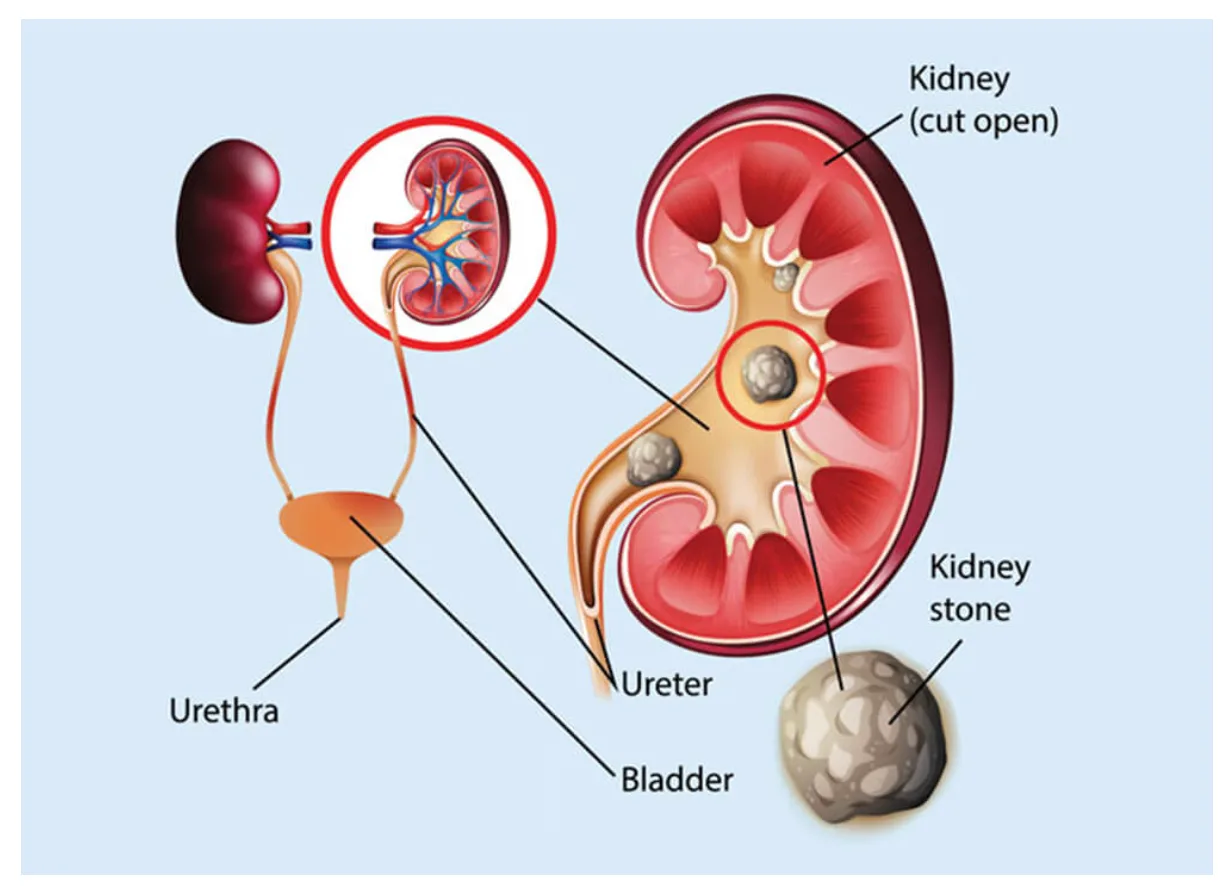
Kidney stones are a common urological problem that can cause severe pain, discomfort, urinary difficulties, and complications if left untreated. While smaller kidney stones may pass naturally with medication and adequate hydration, larger stones often require specialised medical treatment. One of the most effective minimally invasive procedures for managing large and complex kidney stones is Percutaneous Nephrolithotomy (PCNL).
Patients looking for PCNL kidney stone surgery Chennai can consult an experienced urologist to understand the available treatment options. PCNL is commonly recommended for large kidney stones, multiple stones, and certain complex kidney stone conditions where other treatment methods may not be suitable.
This article explains the PCNL procedure, its benefits, recovery process, and other available kidney stone treatment options.
What Is PCNL Kidney Stone Surgery?
Percutaneous Nephrolithotomy (PCNL) is a minimally invasive surgical procedure used to remove large or complex kidney stones. The term percutaneous means through the skin, while nephrolithotomy refers to the removal of kidney stones.
During the procedure, the surgeon creates a small opening in the patient's back to access the kidney. A specialised instrument called a nephroscope is passed through this opening to locate and remove the stones. Larger stones may be broken into smaller pieces using laser, ultrasonic, or pneumatic energy devices.
PCNL is particularly useful for stones larger than 2 cm, staghorn calculi, and multiple kidney stones. The exact treatment approach depends on stone size, location, anatomy, and patient health.
When Is PCNL Surgery Recommended?
Not every kidney stone requires surgery. Small stones may pass naturally, while some can be managed with medication or other minimally invasive procedures.
A urologist may recommend PCNL in the following situations:
- Large kidney stones, particularly those greater than 2 cm.
- Multiple stones located within the kidney.
- Staghorn kidney stones occupying a significant part of the collecting system.
- Kidney stones that have not responded to other treatment methods.
- Complex stones causing repeated infections or urinary obstruction.
- Selected cases where other procedures are unlikely to achieve adequate stone clearance.
For patients requiring large kidney stone treatment Chennai, PCNL can provide an effective option for removing substantial stone burdens.
How Is the PCNL Procedure Performed?
PCNL is generally performed under general anaesthesia. The procedure involves several important steps.
1. Preoperative Evaluation: Before surgery, the doctor reviews the patient's medical history and recommends investigations such as blood tests, urine tests, ultrasound, and CT scans. These help identify the stone's size, location, and anatomy.
2. Anaesthesia: The patient receives general anaesthesia to ensure comfort throughout the operation.
3. Accessing the Kidney: The surgeon creates a small opening through the skin of the back to reach the kidney. Imaging guidance, such as ultrasound or X-ray, may be used to establish safe access.
4. Stone Fragmentation: A nephroscope is introduced into the kidney. Specialised instruments are used to break large stones into smaller fragments.
5. Stone Removal: The fragments are removed through the access tract using appropriate surgical instruments.
6. Completion of Surgery: Depending on the patient's condition, a temporary nephrostomy tube or ureteric stent may be placed to support drainage and recovery.
The procedure duration varies according to stone complexity and individual circumstances.
Benefits of PCNL Kidney Stone Surgery
PCNL offers several advantages for patients with large or complex kidney stones.
Effective Removal of Large Stones: PCNL is particularly useful for removing stones larger than 2 cm and complex stone formations.
Minimally Invasive Approach: It uses a small incision rather than the large surgical opening associated with traditional open surgery.
Treatment for Multiple Stones: Several stones can often be removed during the same procedure.
Reduced Need for Multiple Procedures: In suitable patients, PCNL may achieve a high stone clearance rate in fewer treatment sessions compared with some alternative approaches.
Management of Complex Stones: It is an important treatment option for staghorn calculi and other complicated kidney stones.
The benefits and risks vary depending on the patient's medical condition, stone characteristics, and surgical approach.
PCNL vs Laser Kidney Stone Surgery: What Is the Difference?
Patients frequently ask whether PCNL or laser treatment is better for kidney stone removal. Both are effective procedures, but they are used in different situations.
PCNL Surgery: PCNL involves accessing the kidney through a small opening in the back. It is generally preferred for large stones, multiple stones, and complex kidney stone conditions.
Laser Kidney Stone Surgery: Laser treatment commonly involves procedures such as Retrograde Intrarenal Surgery (RIRS). A flexible ureteroscope is passed through the urinary tract to reach the kidney. Laser energy breaks the stones into smaller fragments, which can then be removed or passed naturally.
The choice between laser kidney stone surgery Chennai and PCNL depends on stone size, location, number, anatomy, and patient health.
In some complex cases, a combination of procedures may be recommended to achieve better stone clearance.
Kidney Stone Removal Surgery in Chennai: Other Treatment Options
Modern urology offers several treatment options depending on the size and location of kidney stones.
- ESWL (Extracorporeal Shock Wave Lithotripsy): Uses external shock waves to break selected stones into smaller fragments.
- URS (Ureteroscopy): A thin endoscope is passed through the urinary tract to treat stones in the ureter.
- RIRS (Retrograde Intrarenal Surgery): Uses a flexible ureteroscope and laser energy to treat kidney stones.
- PCNL: Removes large and complex kidney stones through a small access tract in the back.
Patients considering kidney stone removal surgery Chennai should undergo a detailed evaluation to identify the most suitable procedure.
Recovery After PCNL Surgery
Recovery after PCNL depends on the patient's overall health, stone complexity, and whether any complications occur.
First 24–48 Hours: Patients are monitored in the hospital. Doctors assess urine output, pain, bleeding, and general recovery.
First Week: Mild discomfort around the incision area may occur. Patients should follow medical instructions regarding medication, hydration, and wound care.
Following Weeks: Most patients gradually return to routine activities according to their surgeon's advice. Heavy lifting and strenuous exercise may need to be avoided temporarily.
Follow-Up: Imaging investigations may be recommended to confirm stone clearance. A temporary ureteric stent, if placed, must be removed at the recommended time.
Possible complications include bleeding, infection, urine leakage, and injury to surrounding structures, although these risks vary between patients.
How to Prevent Kidney Stones from Returning?
Kidney stones can recur, so preventive care is important after treatment.
- Drink adequate water throughout the day, unless medically restricted.
- Reduce excessive salt consumption.
- Maintain a balanced diet.
- Avoid excessive intake of animal protein when advised.
- Follow dietary recommendations based on the type of kidney stone.
- Complete a metabolic evaluation if recommended.
- Attend regular follow-up appointments.
A stone analysis and appropriate metabolic assessment can help identify individual risk factors and guide prevention.
Consult an Experienced Urologist for Kidney Stone Surgery in Chennai
PCNL is an important advancement in minimally invasive urology, particularly for patients with large, multiple, and complex kidney stones. With proper evaluation, appropriate surgical planning, and postoperative care, patients can receive effective treatment and work towards preventing future stone formation.
If you are experiencing recurring kidney stones or have been diagnosed with a large kidney stone, consult a qualified urologist to understand your treatment options.
For more information about PCNL kidney stone surgery Chennai, kidney stone removal, laser procedures, and advanced urological care, visit jayarajurologist to learn more about available treatment services and professional medical guidance.