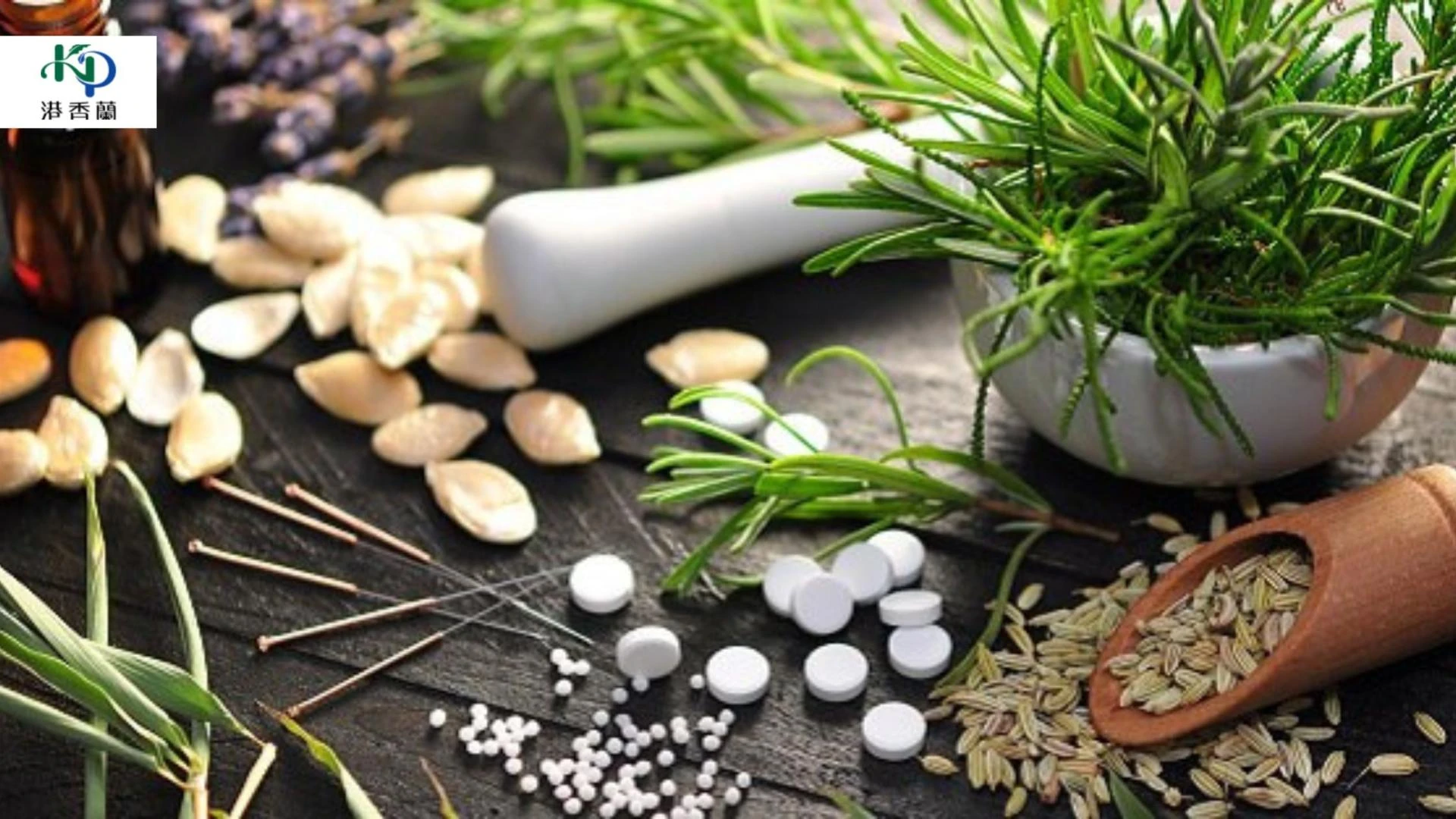
In recent decades, there has been growing attention to Traditional Chinese Medicine (TCM) and its long-established herbal practices. As more patients seek natural and plant-based therapies, licensed practitioners in both Eastern and Western medicine are incorporating TCM Herbs into their care approaches. But using herbs isn’t as simple as selecting a remedy from a list. There’s an entire framework rooted in centuries of practice, and understanding that context helps create better outcomes.
This article shares key considerations for medical professionals working with Chinese Herbal Medicine, focusing on the properties of herbs, clinical integration, and the importance of sourcing from reputable providers such as KPC Herbs.
The Foundation of TCM Herbs
Traditional Chinese Medicine has existed for thousands of years. Central to it is the belief that health is maintained through balance—primarily of yin and yang, and the smooth flow of qi (energy) through the body. Illness is viewed as an imbalance or disruption of this flow.
TCM Herbs are one of the primary tools used to support the body's return to balance. These herbs are not isolated for single functions like many pharmaceuticals; instead, they are selected and combined to address specific patterns within a patient’s constitution.
There are more than 300 commonly used Chinese Herbal Medicine ingredients, each classified by properties such as temperature (cold, hot, warm, or neutral), flavor (sweet, bitter, sour, salty, pungent), and meridian affiliation. This classification helps determine which herb is most appropriate based on the patient’s symptom presentation.
How TCM Herbs Are Used in Clinical Practice
Unlike Western prescriptions where a single drug treats a single condition, Chinese Herbal Medicine relies on formulas—carefully constructed blends of several herbs that work synergistically. These formulas may:
- Harmonize digestive function
- Support respiratory health
- Promote better sleep
- Help with emotional balance
- Improve circulation and relieve discomfort
Formulas are customized for patients based on pulse diagnosis, tongue examination, and overall health evaluation. Even subtle shifts in a patient’s presentation can require a formula modification.
Practitioners must be well-versed in the classical foundations of Traditional Chinese Medicine to combine herbs effectively and to understand when to adapt a formulation. Training and continued education play a large role in competency here, as well as clinical observation.
Key Considerations When Recommending Chinese Herbal Medicine
While TCM Herbs can offer gentle support, practitioners need to be mindful of herb quality, herb-drug interactions, and patient history. Here are several factors to keep in mind:
1. Herb Quality and Sourcing
Not all herbal products are created equal. The safety and efficacy of Chinese Herbal Medicine depend heavily on the quality of the herbs used. This includes:
- Authentic botanical identity
- Proper harvesting practices
- Clean processing methods free from contaminants
- Consistent potency
This is where partnering with reliable companies like KPC Herbs makes a difference. Known for their decades of experience and rigorous quality standards, KPC Herbs ensures that the herbs practitioners receive are tested for pesticides, heavy metals, and microbial contamination. Their commitment to transparency and GMP compliance provides peace of mind for both practitioners and patients.
2. Herb-Drug Interactions
Practitioners working with patients on prescription medications should consider potential herb-drug interactions. For instance, some herbs may thin the blood or affect liver enzymes, which can alter drug metabolism.
Having a detailed patient history and staying informed about pharmacology helps reduce the risk of adverse reactions. This is especially important for patients undergoing treatments for chronic conditions, including diabetes, hypertension, and depression.
3. Patient Education
It’s important that patients understand why they are taking a specific formula, how to take it, and what results to monitor. While TCM Herbs generally have fewer side effects than synthetic drugs, compliance improves when patients know what to expect.
Many Chinese Herbal Medicine products are now available in granule, capsule, or tablet form—making them easier for patients to take consistently. Companies like KPC Herbs offer both raw and modern formats to suit different needs, without compromising on purity.
Bridging East and West: Integrating Traditional Chinese Medicine
For integrative or functional medicine practitioners, combining Traditional Chinese Medicine with Western diagnostics can offer a more nuanced approach to care. For example:
- Digestive issues might be treated with probiotics and dietary changes alongside warming digestive TCM Herbs.
- Stress management may include mindfulness practices and calming herbal blends to soothe the Shen (mind-spirit).
- Musculoskeletal discomfort can benefit from acupuncture, bodywork, and blood-moving herbal formulas.
Practitioners trained in both paradigms often report that their patients respond better when both modalities are considered. The key is understanding the role of Chinese Herbal Medicine within a larger wellness plan and ensuring that all therapies support rather than contradict each other.
Regulation and Licensing
In the United States, the use of TCM Herbs falls under the scope of practice for licensed acupuncturists and some naturopathic doctors, depending on state regulations. Credentialing bodies like the NCCAOM (National Certification Commission for Acupuncture and Oriental Medicine) offer certification in Chinese Herbology.
Practitioners must adhere to their state’s licensing laws and scope of practice when recommending herbal products. Sourcing from companies like KPC Herbs, which provide detailed labeling and ingredient transparency, helps maintain legal and ethical standards in clinical settings.
Conclusion
TCM Herbs continue to play a valuable role in supporting health and wellness. For practitioners, working with Traditional Chinese Medicine isn’t just about knowing which herb helps which symptom—it’s about engaging in a holistic system that considers the individual as a whole.
Choosing reputable sources like KPC Herbs, staying current on research, and paying attention to patient-specific needs are all part of offering responsible care. By integrating Chinese Herbal Medicine thoughtfully and carefully, practitioners can deliver care that respects both tradition and modern safety expectations.
Frequently Asked Questions (FAQs)
Q1: Are all herbal supplements considered TCM Herbs?
No. TCM Herbs refer specifically to those used within the framework of Traditional Chinese Medicine. Not all supplements or plant-based products fall under this system.
Q2: Can TCM Herbs be used alongside prescription medications?
In many cases, yes—but always with caution. Some herbs may interact with drugs. It’s best for practitioners to review a patient’s full medical history and consult current research or databases.
Q3: How long do patients typically take Chinese Herbal Medicine?
Treatment duration varies depending on the condition. Some patients may notice changes within a few days, while others may need to continue for several weeks or months under practitioner guidance.
Q4: What’s the advantage of using a brand like KPC Herbs?
KPC Herbs is known for stringent quality control, transparency, and consistency. Practitioners can feel confident knowing their patients are receiving herbs that are tested and compliant with safety regulations.
Q5: Are there side effects to Chinese Herbal Medicine?
Most TCM Herbs are considered gentle, but like all treatments, some individuals may experience side effects. These are usually mild and resolve quickly. A trained practitioner will monitor for any concerns.