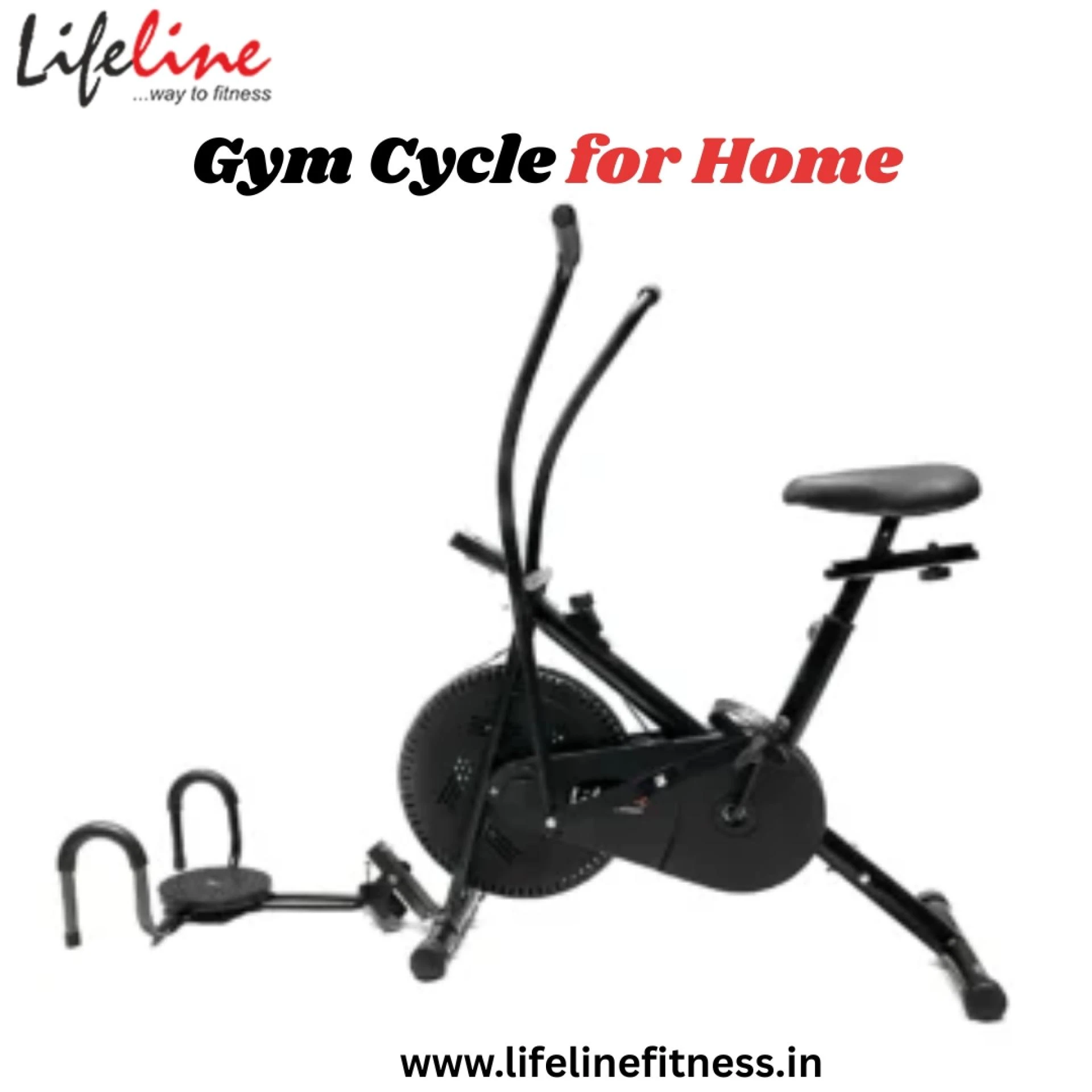
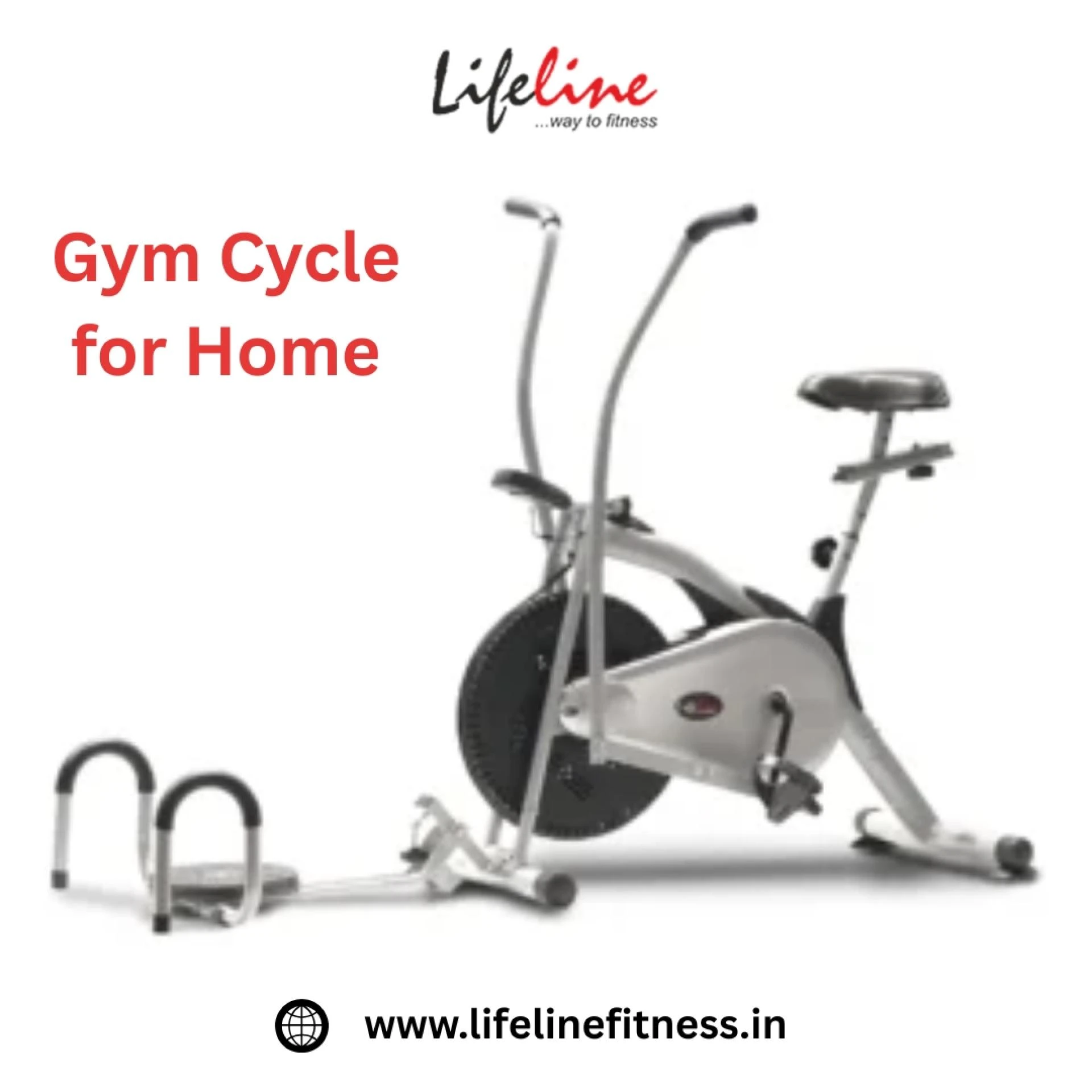
Exercising at home has become increasingly popular, especially with the rise of convenient fitness equipment like the Gym Cycle for Home. These cycles provide an effective, low-impact cardio workout while allowing users to build stamina, burn calories, and improve overall fitness without leaving the house. However, while gym cycles are generally safe and efficient, many users unknowingly make mistakes that can reduce results or even cause injuries.
In this comprehensive guide, we will discuss the common mistakes people make while using a gym cycle at home and provide tips to avoid them. Understanding these pitfalls will ensure you maximize the benefits of your equipment, achieve faster results, and maintain a safe and effective workout routine.
1. Ignoring Proper Bike Setup
One of the most common mistakes is failing to adjust the cycle to your body. Proper setup is crucial for preventing strain and ensuring an effective workout. Key factors include:
- Seat Height: Adjust the seat so that your knees are slightly bent at the bottom of the pedal stroke. A seat that is too low or too high can strain the knees, hips, or lower back.
- Handlebar Position: Keep the handlebars at a comfortable height to avoid leaning too far forward or backward. Incorrect positioning can lead to back or shoulder discomfort.
- Pedal Straps: Secure your feet properly to maintain control and prevent slipping during intense sessions.
By setting up your Gym Cycle for Home correctly, you ensure safer workouts and better targeting of your leg and core muscles.
2. Starting with High Resistance Too Early
Many beginners try to challenge themselves with high resistance immediately. While resistance training is important, starting too hard can cause fatigue, joint strain, or injury.
- Begin with low to moderate resistance and gradually increase it as your endurance improves.
- Focus on mastering your pedaling rhythm before increasing intensity.
- High resistance too soon may also reduce your ability to maintain proper form, impacting results.
Gradual progression ensures a safer and more effective workout, especially for home users without supervision.
3. Incorrect Pedaling Technique
Proper pedaling technique is essential for maximum efficiency. Common errors include:
- Pedaling too fast without control
- Using only the toes or the heels instead of the whole foot
- Allowing knees to wobble outward
The correct technique involves:
- Keeping a smooth and consistent pedal motion
- Using the balls of your feet and engaging your calves, quads, and glutes
- Maintaining stable knees aligned with your hips and feet
Using the right technique not only improves results but also prevents strain on joints.
4. Overlooking Warm-Up and Cool-Down
Skipping warm-up and cool-down sessions is a frequent mistake. Starting abruptly at high intensity can shock your muscles and joints, while finishing without cooling down can lead to stiffness or soreness.
- Warm-up: Spend 5–10 minutes pedaling at a low resistance to prepare muscles and improve blood flow.
- Cool-down: Gradually reduce speed and resistance at the end to help the body recover and prevent fatigue.
A structured warm-up and cool-down routine is a simple way to avoid injuries and enhance workout effectiveness.
5. Poor Posture During Cycling
Maintaining correct posture on a Gym Cycle for Home is vital for avoiding back, neck, and shoulder pain. Common posture mistakes include slouching, leaning too far forward, or locking elbows.
Tips for maintaining proper posture:
- Keep your back straight and core engaged
- Relax your shoulders and avoid tensing your neck
- Slightly bend elbows and maintain a comfortable grip on the handlebars
Good posture ensures that your exercise targets the intended muscles while minimizing the risk of injury.
6. Not Following a Consistent Routine
Consistency is key to achieving results with any fitness equipment, including a gym cycle. Many users pedal sporadically or only when they feel motivated, which limits progress.
- Set a weekly schedule (e.g., 4–5 sessions per week)
- Track your time, distance, or calories burned to monitor progress
- Gradually increase intensity to continue challenging your body
Regular use ensures that cardiovascular fitness, endurance, and muscle tone improve steadily over time.
7. Ignoring Heart Rate Monitoring
For home workouts, especially with cardio equipment like a gym cycle, monitoring heart rate is important to avoid overexertion.
- Use the built-in monitor (if available) or a wearable heart rate device
- Stay within your target heart rate zone for maximum calorie burn and safety
- Avoid pushing yourself into a zone that causes discomfort, dizziness, or breathlessness
Proper heart rate management prevents cardiovascular strain and supports effective fat burning.
8. Setting Unrealistic Goals
Many beginners expect rapid results and push themselves too hard or too fast. Unrealistic goals can lead to disappointment, fatigue, and even injury.
- Start with achievable goals based on your current fitness level
- Gradually increase workout duration and intensity
- Focus on consistency rather than speed or immediate results
A realistic, progressive approach ensures sustainable improvement and long-term fitness benefits.
9. Neglecting Hydration
Hydration is often overlooked during indoor cycling sessions. Even though you are at home, sweating leads to fluid loss, which can affect performance and recovery.
- Keep water nearby and take small sips during your workout
- Rehydrate properly after your session to support muscle recovery
- Avoid sugary or caffeinated drinks during exercise
Proper hydration reduces fatigue, improves performance, and supports safe workouts.
10. Not Maintaining Your Gym Cycle
Neglecting regular maintenance can affect the performance, safety, and lifespan of your cycle.
- Check pedals, seat, and resistance mechanisms regularly
- Lubricate moving parts as recommended by the manufacturer
- Keep the cycle clean and ensure it remains stable on flat surfaces
A well-maintained cycle reduces the risk of mechanical failures and ensures smooth, safe workouts every time.
11. Overtraining Without Rest Days
Using a gym cycle every day without giving muscles time to recover can lead to overuse injuries. While it is tempting to pedal daily, rest days are essential to allow muscles, joints, and cardiovascular systems to recuperate.
- Include at least 1–2 rest days per week
- Alternate cycling intensity to prevent overexertion
- Listen to your body for signs of fatigue or soreness
Overtraining can hinder progress, whereas structured rest improves performance and long-term results.
12. Ignoring Resistance Variety
Many users stick to a single resistance level, which limits muscle engagement and reduces workout efficiency.
- Alternate between low, moderate, and high resistance levels
- Use interval training techniques to combine speed and resistance
- Gradually increase resistance as your strength improves
This approach maximizes calorie burn, builds leg strength, and keeps workouts engaging.
FAQs
1. How often should I use a gym cycle for home workouts?
For beginners, 3–4 sessions per week of 20–30 minutes are ideal. Gradually increase frequency and duration as endurance improves.
2. Can a gym cycle help with weight loss?
Yes, consistent cycling burns calories, boosts metabolism, and supports fat loss when combined with a balanced diet.
3. Is it safe for seniors to use a gym cycle at home?
Absolutely. Low-impact motion and adjustable resistance make gym cycles suitable for older adults seeking safe cardiovascular workouts.
4. How do I prevent knee or back strain while cycling?
Ensure proper seat height, maintain correct posture, and start with moderate resistance. Avoid sudden high-intensity workouts.
5. How can I track progress on a home gym cycle?
Use built-in consoles, apps, or fitness trackers to monitor distance, speed, calories burned, and heart rate for effective progress tracking.
Conclusion
A Gym Cycle for Home is an excellent tool for cardiovascular fitness, calorie burning, and endurance building. However, avoiding common mistakes is crucial to ensure maximum benefits, reduce injury risk, and maintain a long-term, safe workout routine. By focusing on proper setup, posture, resistance, consistency, hydration, and maintenance, you can enjoy effective results without compromising safety.
Modern gym cycles are designed with user-friendly features, heart rate monitoring, and ergonomic support, making them ideal for home use. With Lifeline Fitness, you can choose high-quality cycles that offer durability, comfort, and performance, ensuring you get the most out of your home workouts.
To learn more about selecting the perfect home fitness cycle, read our detailed guide: “Affordable and High-Quality Gym Cycles for Home Use in 2026”, which explains options, pricing, and features to help you make the right choice for your fitness journey.