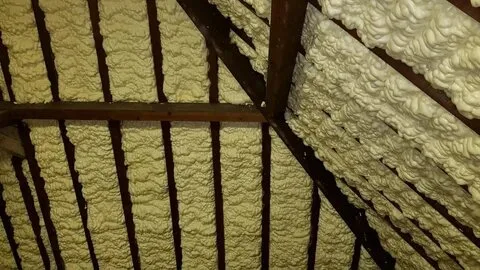
Spray Foam Roofing is ideal for low-slope applications because it creates a seamless, monolithic barrier that eliminates leaks and prevents water ponding. Unlike traditional materials with seams and joints, this system adapts to your roof's specific shape, providing superior insulation and durability.
This guide provides a detailed look at why this technology is preferred for flat or low-pitch structures. Based on decades of industry field experience, these findings reflect the practical performance of high-density polyurethane materials in real-world weather conditions.
The Mechanics of Seamless Protection
Low-slope roofs often suffer from water infiltration at the seams. Traditional membranes use tapes or heat-welded joints that eventually fail as the building expands and contracts.
Spray Foam Roofing solves this by being applied as a liquid that expands into a solid, continuous layer. This means there are no physical gaps for water to enter, even if liquid sits on the surface for extended periods.
- The material bonds directly to the existing substrate.
- It fills small cracks and gaps during application.
- Self-flashing properties allow it to wrap around vents and pipes easily.
- It creates a smooth transition between different roof levels.
Bonus Tip: Ensure the surface is completely dry and clean before application to guarantee the strongest possible bond between the foam and the deck.

Why Is Drainage Improved With Spray Foam?
One of the biggest headaches with flat roofs is ponding water. If your roof has slight dips or improper sloping, water gathers in pools, leading to structural stress and material rot.
A professional spray-foam roofing contractor can use the material to address these drainage issues. Because the foam can be applied in varying thicknesses, it can build up low areas to direct water toward drains or scuppers.
1. Identifying Low Spots
Contractors identify low spots using laser levels or visual inspection to map out the drainage path.
2. Applying Corrective Layers
Additional layers of foam are applied to these depressions to build up the height.
3. Creating a Positive Slope
The final surface creates a positive slope toward drainage points, ensuring water moves efficiently off the roof.
4. Preventing Structural Stress
This customized contouring prevents long-term water weight issues that could otherwise lead to deck sagging.
Comparison of Common Low-Slope Roofing Materials

The Thermal Advantages of Foam Systems
Energy efficiency is a major factor for commercial buildings with large surface areas. Spray foam roofing solutions offer one of the highest R-values available in the construction industry today.
Data show that buildings switching to foam systems can reduce cooling costs by up to 30% during peak summer months. This is because the foam acts as both an air barrier and a thermal break.
- It stops air leakage through the roof deck.
- The white reflective top coating bounces away solar heat.
- Thermal bridging is eliminated since there are no metal fasteners.
- Consistent temperatures are maintained throughout the interior space.
Durability and Weather Resistance
High-density spray foam is surprisingly tough. Once cured, it can support the weight of maintenance workers and equipment without damage. It also performs exceptionally well in areas prone to high winds or hail.
Because the foam is fully adhered to the deck, there is no risk of wind uplift peeling back the roof edges. In many cases, these roofs remain intact even after severe storms that strip away traditional shingles or membranes.
Bonus Tip: Adding a layer of granules to the final top coating can increase traction for foot traffic and provide extra protection against physical impacts like falling branches.

The Long-Term Economic Benefits
While the initial cost is competitive, the long-term savings make this a smart financial choice. In many cases, you don't have to tear off the old roof, which saves thousands in labor and disposal fees.
Market reports indicate that the spray foam industry is growing at over 5% annually as more facility managers realize the "renewable" nature of these systems. Instead of a full replacement, you simply clean and recoat the surface every 10 to 15 years.
1. Reduced Disposal Costs
Lower tear-off costs significantly reduce the initial project budget and landfill impact.
2. Minimal Maintenance Requirements
The system's simplicity reduces the need for expensive yearly inspections or complex seam repairs.
3. Perpetual Renewal
The roof can be renewed indefinitely with new top coatings, avoiding the cost of future full replacements.
4. Energy Savings
Lower monthly energy bills provide a consistent return on investment throughout the year.
Choosing Professional Spray Foam Roofing Services
Selecting the right team is vital for a successful installation. You need experts who understand the chemistry of the chemicals and the specific requirements of your local climate.
When you hire spray foam roofing services, the technicians must monitor wind speed, humidity, and temperature closely. Even a slight change in weather can affect how the foam expands and sets.Spray foam roofing technicians must closely monitor wind speed, humidity, and temperature
Factors to Review Before Making a Decision
Before committing to a new roof, you should evaluate several specific variables regarding your building. Not every structure is an immediate candidate for foam, though most low-slope buildings are a great fit.
1. Substrate Condition
Ensure your current roof deck is structurally sound and not saturated with moisture before application.
2. Access Points
Check whether the spray equipment can safely reach all areas of your roof without obstructing business operations.
3. Local Climate
Plan your project for a window of dry weather with temperatures typically above 50 degrees for optimal curing.
4. Future Use
Consider if you plan to install solar panels or heavy HVAC units later, as the foam can be reinforced for these needs.
Customizing Solutions for Your Facility
Every building has unique needs based on its age and location. A skilled spray foam roofing contractor will assess the slope and identify areas where heat loss is most prevalent.
They can then tailor the application's thickness. For example, you might want extra insulation over a refrigerated section of a warehouse while keeping a standard thickness over the loading docks. This flexibility is something you simply cannot get with pre-cut board insulation.
Get Expert Assistance for Your Low-Slope Roofing Needs and a Free Quote
If you are looking for a reliable way to protect your building and lower energy costs, reaching out to a specialist is the best next step. You can contact Spray-On Foam & Coatings Inc by calling (360) 667-1993 to speak with a professional about your specific project. Their team offers a variety of options including spray foam insulation and specialized roof coatings to keep your structure in top shape.
Whether you need a full installation or a free maintenance quote for an existing system, you can email [email protected] for detailed information. Consulting with an experienced provider ensures your roof is handled with the right equipment and technical knowledge.
Common Questions About Foam Roofs
How long does the installation process usually take?
Most commercial projects are completed in a few days. The application speed is much faster than with traditional systems because there is no need to cut materials to size or manage thousands of fasteners.
Can you walk on a spray foam roof?
Yes, the foam is high-density and designed to handle regular maintenance traffic. It feels similar to a hard automotive dashboard once it has fully cured and been coated.
Is the smell of the chemicals dangerous?
The odors dissipate quickly after application. While professional installers wear safety gear during the process, the building is typically safe for occupants shortly after the foam has set.
What happens if the roof gets a hole in it?
Repairs are very simple. A technician can clean the area, fill it with a specialized caulk or a small amount of foam, and then apply a fresh top coating to seal it back up.
Does foam roofing work in cold climates?
It is excellent for cold climates because it provides a continuous thermal blanket. This prevents the "stack effect," in which warm air escapes through the top of the building, thereby significantly reducing heating costs.