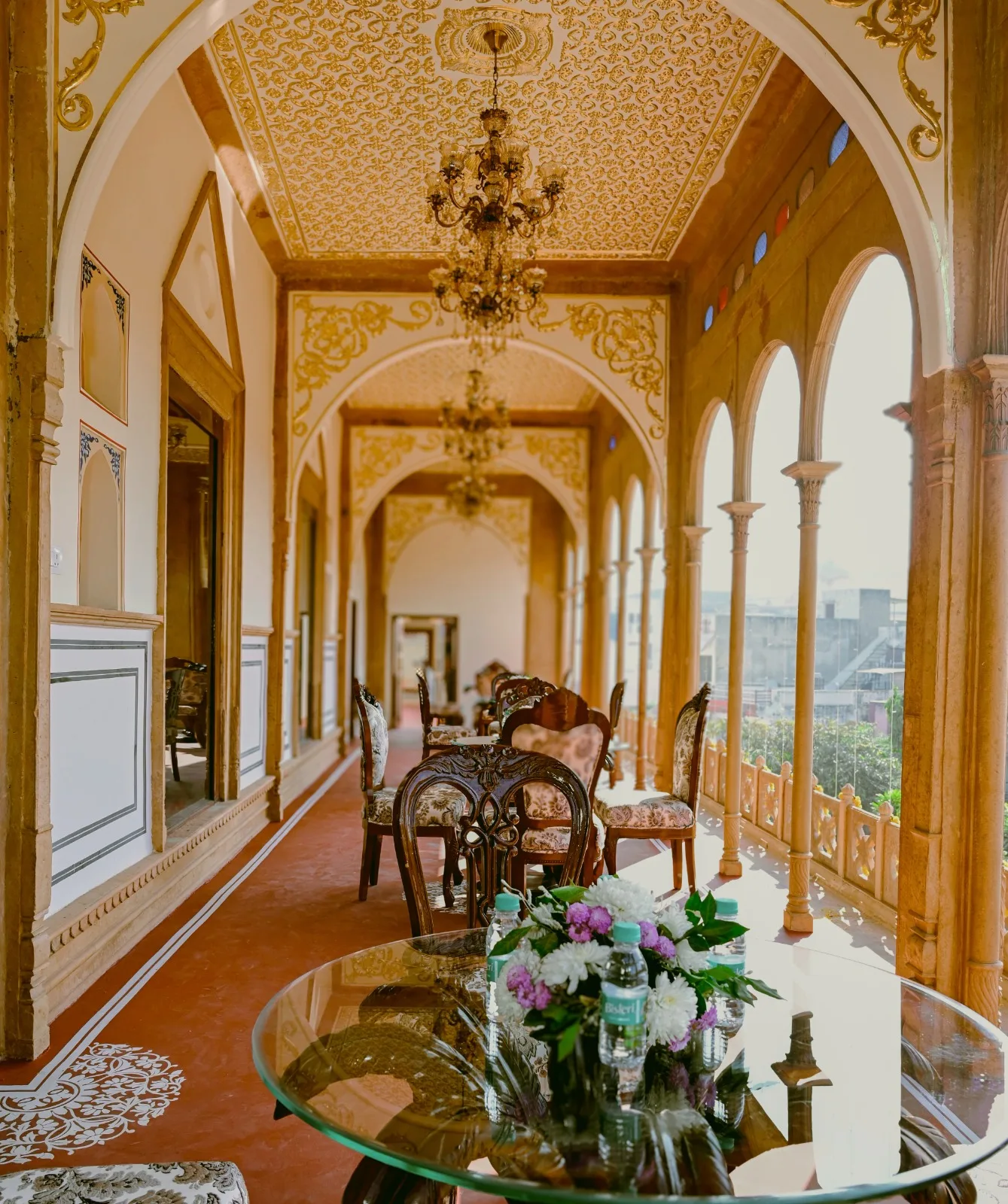
Rajasthan cannot be understood through one monument or city. Its identity has been shaped by royal capitals, forts, palaces, desert landscapes, artistic traditions and stories that change from one destination to the next.
Palace on Wheels offers a distinctive way to experience this variety. The 7-night and 8-day journey connects major destinations through private accommodation, onboard dining and organised excursions.
Travellers interested in a World-Class Luxury Train Journey can use Palace on Wheels to explore Rajasthan as a connected cultural story rather than a series of separate city visits.
Quick Answer: Why Is Palace on Wheels Ideal for Experiencing Rajasthan?
The train provides:
- A Rajasthan-focused royal atmosphere
- Comfortable private cabins
- Organised access to major destinations
- Two onboard restaurants
- Cultural and heritage experiences
- Opportunities to see changing landscapes
- A journey extending to Bharatpur and Agra
- Reduced dependence on separate travel arrangements
- A consistent level of hospitality
The train becomes a moving introduction to Rajasthan before guests even step into each destination.
Why Is Rajasthan Better Understood as a Journey?
Every major destination reveals a different expression of Rajasthan.
One city may be recognised for grand forts, another for lake-oriented architecture, another for desert character and another for royal streets or artistic traditions.
Visiting only one location can provide a meaningful holiday, but it cannot demonstrate the full variety of the state.
A multi-destination journey allows travellers to notice:
- Changes in architecture
- Differences in landscapes
- Regional artistic styles
- Separate royal histories
- Variations in local atmosphere
- The relationship between geography and culture
Palace on Wheels connects these experiences within one organised travel narrative.
How Does the Train Create Cultural Continuity?
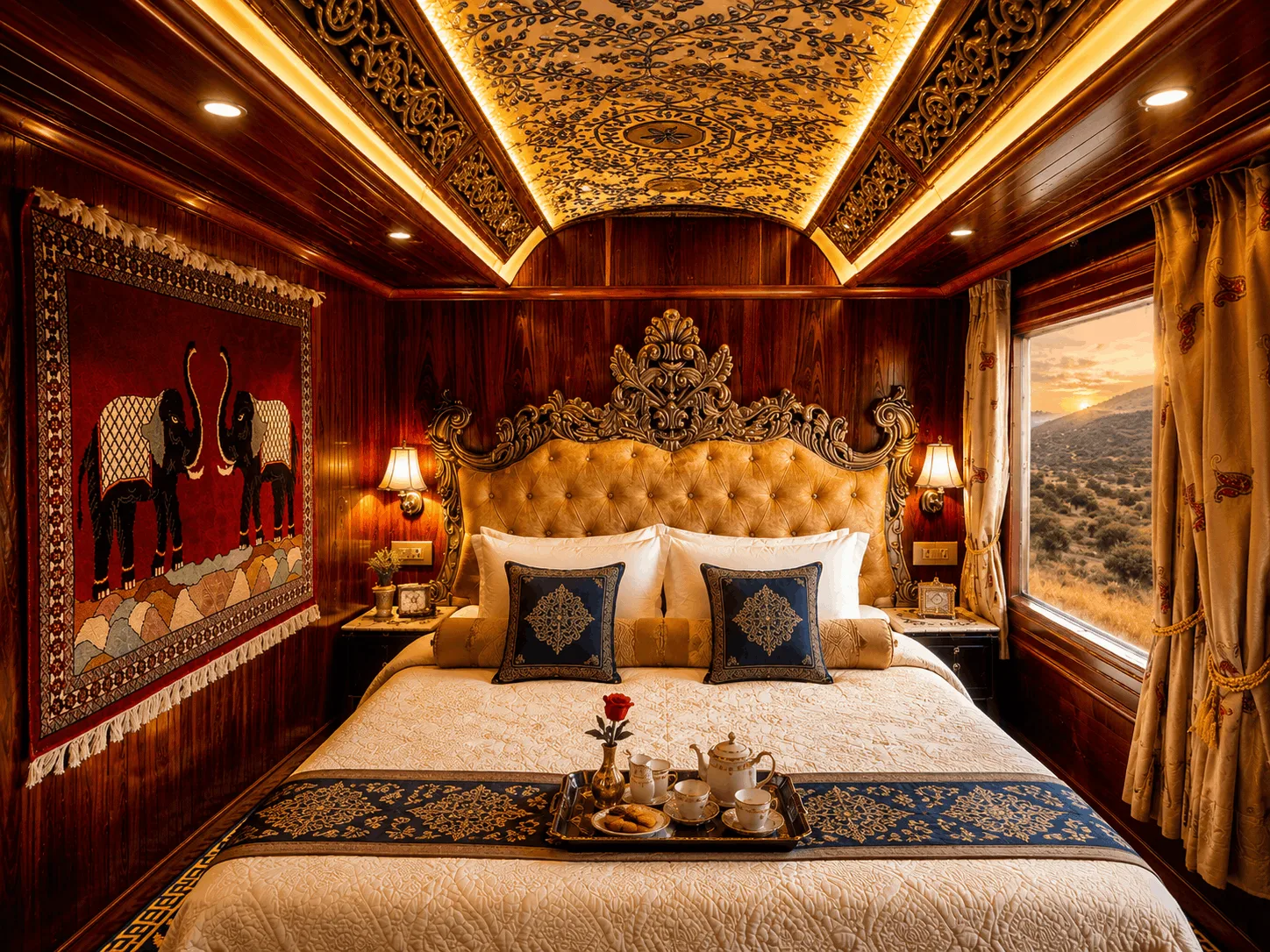
The interior identity of Palace on Wheels is inspired by royal India. This means the cultural experience does not end when guests complete a daytime excursion.
After exploring a historic destination, travellers return to royal-style surroundings onboard. The cabins, restaurants and hospitality continue the atmosphere.
This continuity is important because it prevents the travel period from feeling disconnected from the destinations.
The train acts as a bridge between each chapter of the journey.
Why Is Slow Observation Important in Rajasthan?
Rajasthan’s appeal lies in detail as much as scale.
Travellers may initially notice massive forts or impressive palace façades, but closer observation reveals:
- Carved surfaces
- Courtyards
- Decorative patterns
- Local textiles
- Changing stone colours
- Historic defensive design
- Water-management ideas
- The relationship between buildings and climate
An organised itinerary helps guests reach important locations, but meaningful travel also requires attention.
Travellers should avoid experiencing every destination only through their camera. Taking time to look before photographing can make architectural details easier to remember.
What Does the Train Add Between Destinations?
The period between destinations can provide rest and reflection.
Guests can return from an excursion, relax in their cabin, enjoy a meal and discuss the day. This creates space to process what they have experienced before arriving at the next location.
Without this pause, several days of sightseeing may blend together.
The onboard environment therefore performs an important role: it gives the journey a steady rhythm of discovery, rest and anticipation.
How Does Dining Contribute to Cultural Travel?
Dining provides more than physical energy. It creates social time.
During meals at Swarn Mahal and Sheesh Mahal, travellers can exchange impressions, learn from companions and prepare for the next stage of the itinerary.
For international visitors, dining can also serve as a gradual introduction to Indian flavours and hospitality within a comfortable environment.
Guests with allergies or dietary preferences should communicate their requirements before travel and confirm available arrangements through the official team.
What Can Travellers Learn From Rajasthan’s Forts?
Forts demonstrate how rulers responded to geography, security, politics and climate.
Their walls, gateways, strategic locations and internal spaces reveal practical decisions as well as artistic ambition.
Travellers do not need to be historians to appreciate these structures. They can ask simple questions:
- Why was the fort built in this location?
- How did people enter and move through it?
- How were public and private spaces separated?
- What materials were used?
- How did the building respond to heat?
- What stories are associated with the site?
These questions turn sightseeing into cultural understanding.
How Do Palaces Differ From Forts?
Forts are often associated with defence and strategic control, while palaces more directly reveal ceremonial life, administration, art and private royal spaces.
A journey that includes both allows visitors to understand the relationship between protection and daily royal life.
Palace on Wheels reinforces this theme through its own royal hospitality concept. Guests move from historical palace spaces back to a train that interprets royal travel for modern visitors.
Why Are Landscapes Important?
Rajasthan’s history cannot be separated from its geography.
Desert areas, lakes, plains and natural environments influenced:
- Settlement patterns
- Architecture
- Trade
- Defence
- Clothing
- Food
- Daily routines
- Artistic expression
Watching landscapes change between destinations helps travellers understand that Rajasthan is not visually uniform.
The journey creates a geographical story alongside its architectural one.
What Does Bharatpur Add to the Experience?
Bharatpur introduces a natural-heritage dimension.
After experiencing royal architecture and historic cities, travellers can encounter an environment associated with birdlife and ecological importance.
This contrast expands the meaning of heritage. It demonstrates that India’s valuable legacy includes natural habitats as well as built monuments.
Guests should check the official itinerary for current excursion details and seasonal arrangements.
Why Is Agra a Strong Conclusion?
Agra introduces another globally recognised chapter of Indian architecture.
The Taj Mahal provides a powerful conclusion because it brings together history, craftsmanship, symbolism and emotional meaning.
After travelling through Rajasthan’s different royal landscapes, guests encounter an architectural experience recognised throughout the world.
This progression gives the itinerary a clear narrative ending before returning to Delhi.
Can First-Time Visitors Understand Rajasthan Through This Journey?
Yes. The route gives first-time travellers exposure to several important dimensions of the region within one organised experience.
They can encounter:
- Royal architecture
- Forts and palaces
- Regional landscapes
- Cultural traditions
- Natural heritage
- Indian hospitality
- Railway travel
- A globally recognised monument
The itinerary cannot represent every part of Rajasthan, but it provides a strong and varied introduction.
Is the Journey Valuable for Returning Visitors?
Yes. Returning travellers may have visited some destinations independently but can experience them differently through Palace on Wheels.
The train changes:
- How the route is organised
- How evenings are spent
- How travel time feels
- How destinations connect
- How accommodation supports the itinerary
- How royal heritage is interpreted throughout the journey
A familiar place can become part of a new story when the travel format changes.
How Can Travellers Make the Journey More Meaningful?
Guests can prepare by learning basic information about the destinations, but they should avoid overloading themselves with facts.
During the journey, they can:
- Ask thoughtful questions
- Observe architectural details
- Record brief daily impressions
- Speak with fellow travellers
- Allow time for quiet reflection
- Photograph selectively
- Notice how landscapes change
- Keep some attention away from screens
The objective is not to memorise every date. It is to understand how the destinations relate to one another.
Is Palace on Wheels Appropriate for Cultural Travellers?
Yes. A Royal Rajasthan Train Journey is particularly relevant for people interested in architecture, history, photography, cultural identity and regional landscapes.
The train provides structure without reducing the journey to transportation alone. Its own design and hospitality support the royal character of the destinations.
Why Does the Experience Appeal Globally?
International travellers often want an Indian journey that feels distinctive, organised and culturally rich.
Palace on Wheels provides a recognisable narrative:
- Begin in Delhi
- Explore Rajasthan’s heritage
- Experience natural variety
- Visit Bharatpur
- Reach Agra and the Taj Mahal
- Return with one connected travel story
This clarity makes the journey easier to understand while its destinations provide depth.
What Makes Palace on Wheels More Than a Sightseeing Package?
A sightseeing package is usually defined by the places included. Palace on Wheels is also defined by how guests move between those places.
Its private cabins, restaurants, hospitality and royal atmosphere make the train an active part of the experience.
That is why it is often considered a Luxury Train in India rather than simply a train serving a luxury itinerary.
Frequently Asked Questions
Is Palace on Wheels mainly focused on Rajasthan?
Rajasthan forms the central cultural focus, while the journey also incorporates Bharatpur and Agra before returning to Delhi.
How long does the journey take?
The standard Palace on Wheels programme covers 7 nights and 8 days, subject to the official departure schedule.
Does the journey include both cultural and natural experiences?
Yes. It combines royal architecture, heritage destinations, regional culture and natural experiences within one itinerary.
Is the journey suitable for photographers?
Yes. The changing architecture, landscapes, train interiors and cultural settings provide varied subjects. Guests should follow photography rules at each destination.
Are guides and excursions included?
The journey includes planned destination experiences. Travellers should review current official inclusions because arrangements may vary by season or operating schedule.
How can guests check the current route?
The official Palace on Wheels website provides current itinerary, departure and booking information.
Final Thoughts
Palace on Wheels makes Rajasthan easier to understand as a connected landscape of royal history, architecture, culture and nature.
Its onboard environment carries the story between destinations, while the 7-night and 8-day route gives each stage a different identity. For travellers who want to experience Rajasthan with comfort and cultural continuity, the train offers a world-class journey in which both movement and destination have meaning.