
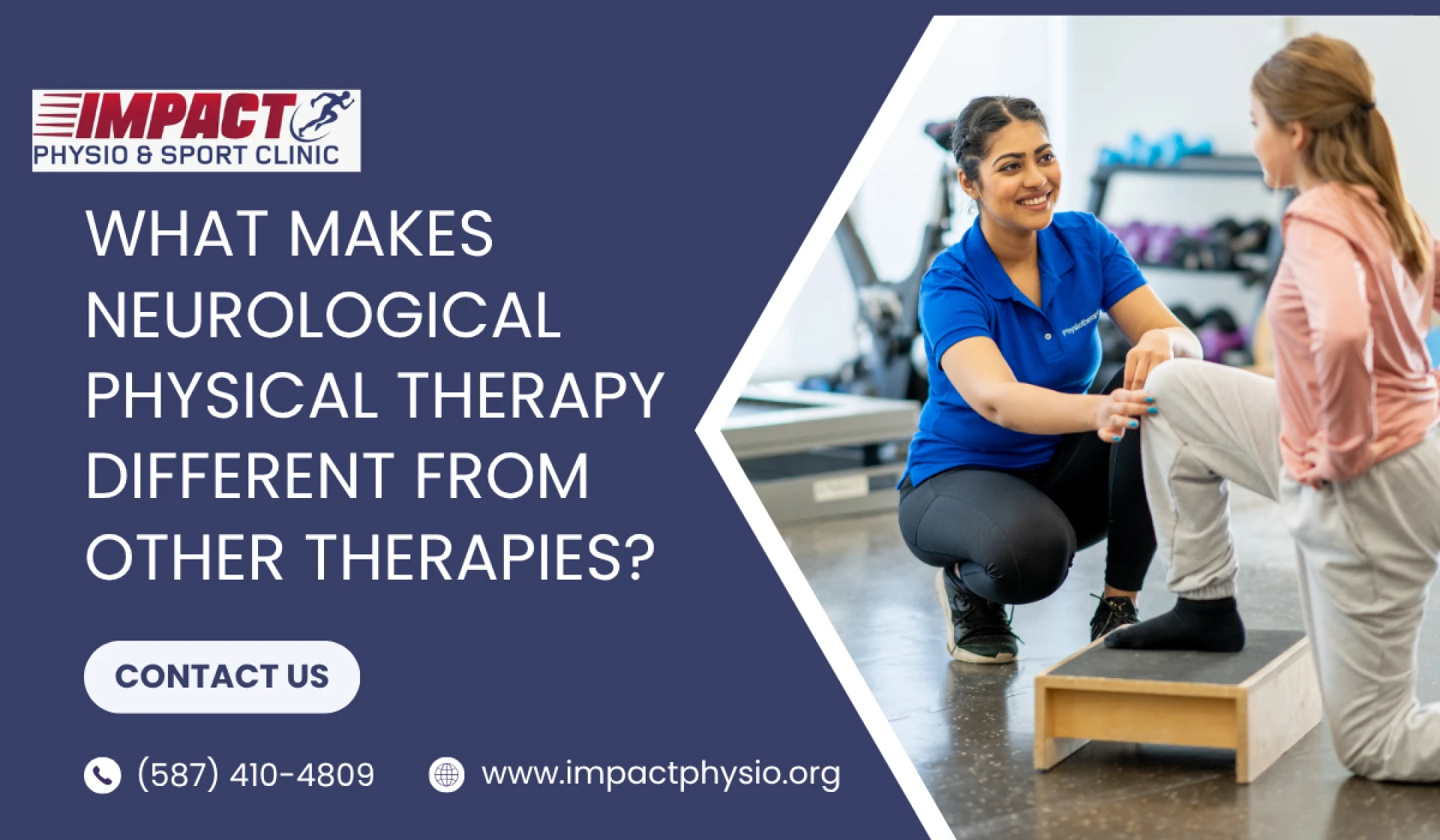
Neurological physical therapy may support individuals experiencing challenges related to the brain, spinal cord, or peripheral nervous system. Unlike general therapy methods that often focus on joint or muscle conditions, neurological physical therapy may aim to help manage movement and coordination issues caused by neurological conditions such as stroke, Parkinson’s disease, multiple sclerosis, and traumatic brain injuries.
Focus on Movement Patterns Influenced by the Nervous System
What sets neurological therapy apart is its emphasis on retraining the body and nervous system to work together more efficiently. Individuals undergoing this type of therapy may face issues like muscle tightness, impaired balance, limited coordination, or difficulty with mobility. Therapy approaches often include movement-based exercises, task repetition, and functional activities that are designed to gradually restore physical abilities.
Therapy Goals May Be Condition-Specific
Each neurological condition can affect people differently, so therapy goals are typically based on individual needs. For instance, someone recovering from a stroke may work on regaining control of one side of the body, while a person with Parkinson’s disease may focus on improving balance and reducing rigidity. The approach may involve a combination of motor retraining, posture control, and sensory feedback to improve how the brain processes movement.
Practical and Functional Approaches
Unlike some therapies that might focus mostly on strength or flexibility, neurological physical therapy often integrates real-life movements. Sessions may include practicing tasks like walking, reaching, or transitioning from sitting to standing. These exercises are designed to support independence and improve comfort with everyday activities.
Therapists may also explore how factors like fatigue, visual changes, or cognitive symptoms influence movement and incorporate this understanding into therapy plans.
Use of Adaptive Tools and Safe Techniques
Therapists may use various tools and supports to assist recovery. These might include gait belts, walking aids, balance equipment, or tactile feedback methods to help reinforce safe movement. Where recovery is limited, adaptive strategies may be introduced to help individuals maintain participation in their daily routines.
Considering Neuro Physical Therapy in Beaumont
For individuals in Beaumont seeking supportive therapy for neurological conditions, neuro physical therapy Beaumont services may provide personalized strategies tailored to neurological challenges. This care may focus on increasing functional movement, supporting safe mobility, and addressing daily activity concerns.
At Impact Sports Physiotherapy, we aim to offer movement-based care that aligns with your goals. If you or someone you know may benefit from neurological physical therapy, we invite you to connect with our team.