Closed-Cell Spray Foam Insulation applied by trained crews delivers higher performance, better coverage, and stronger long term results than most DIY kits. Professional systems use commercial grade equipment, controlled mixing, and trained installers. DIY kits are smaller, limited in output, and rely heavily on user skill.
For small patch jobs, a kit may work. For whole attics, crawl spaces, or wall systems, professional application usually provides better air sealing, consistent thickness, and improved durability. The details below explain why many property owners choose Closed-Cell Spray Foam Insulation services over do it yourself options.
How Professional Installation Differs From DIY Application
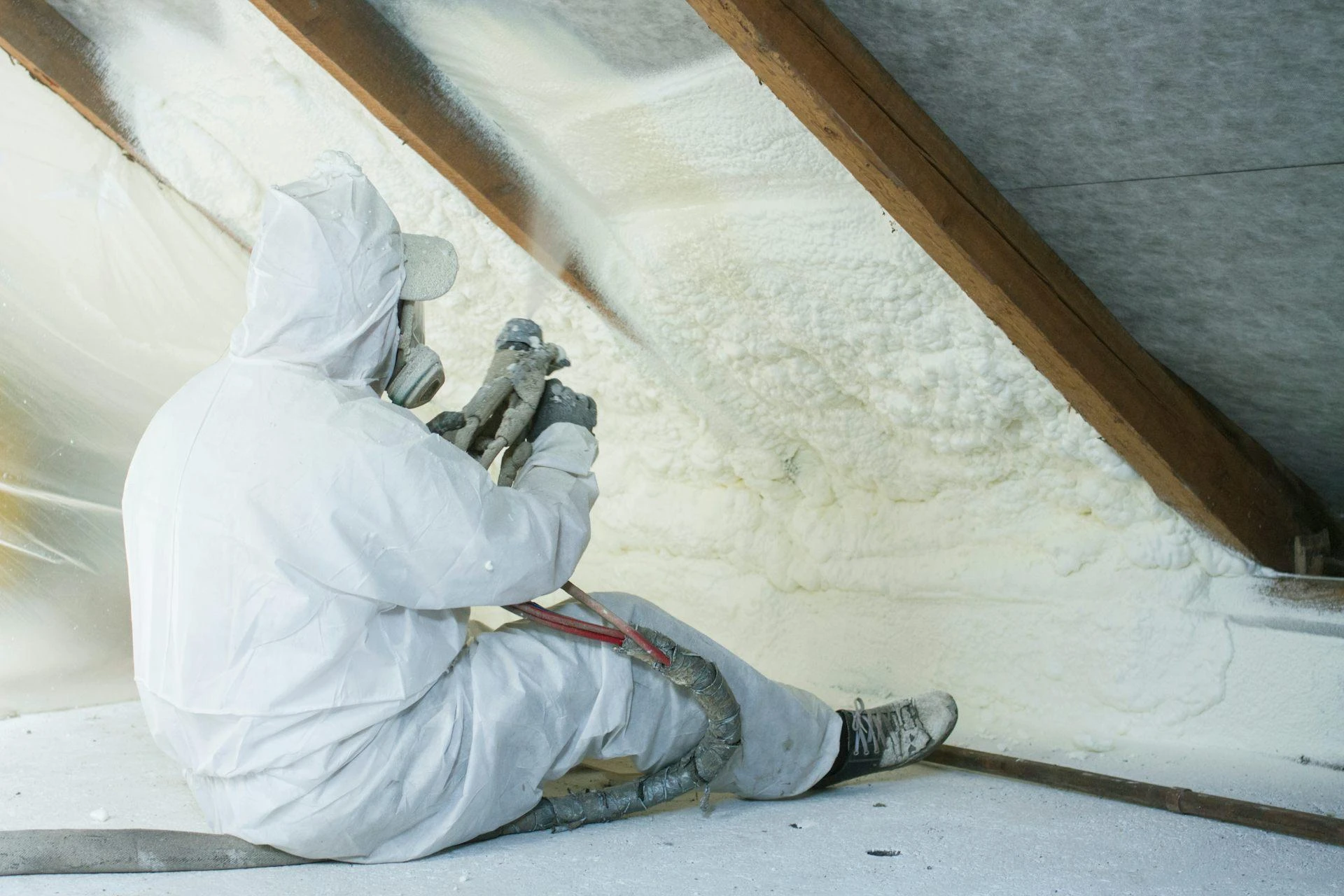
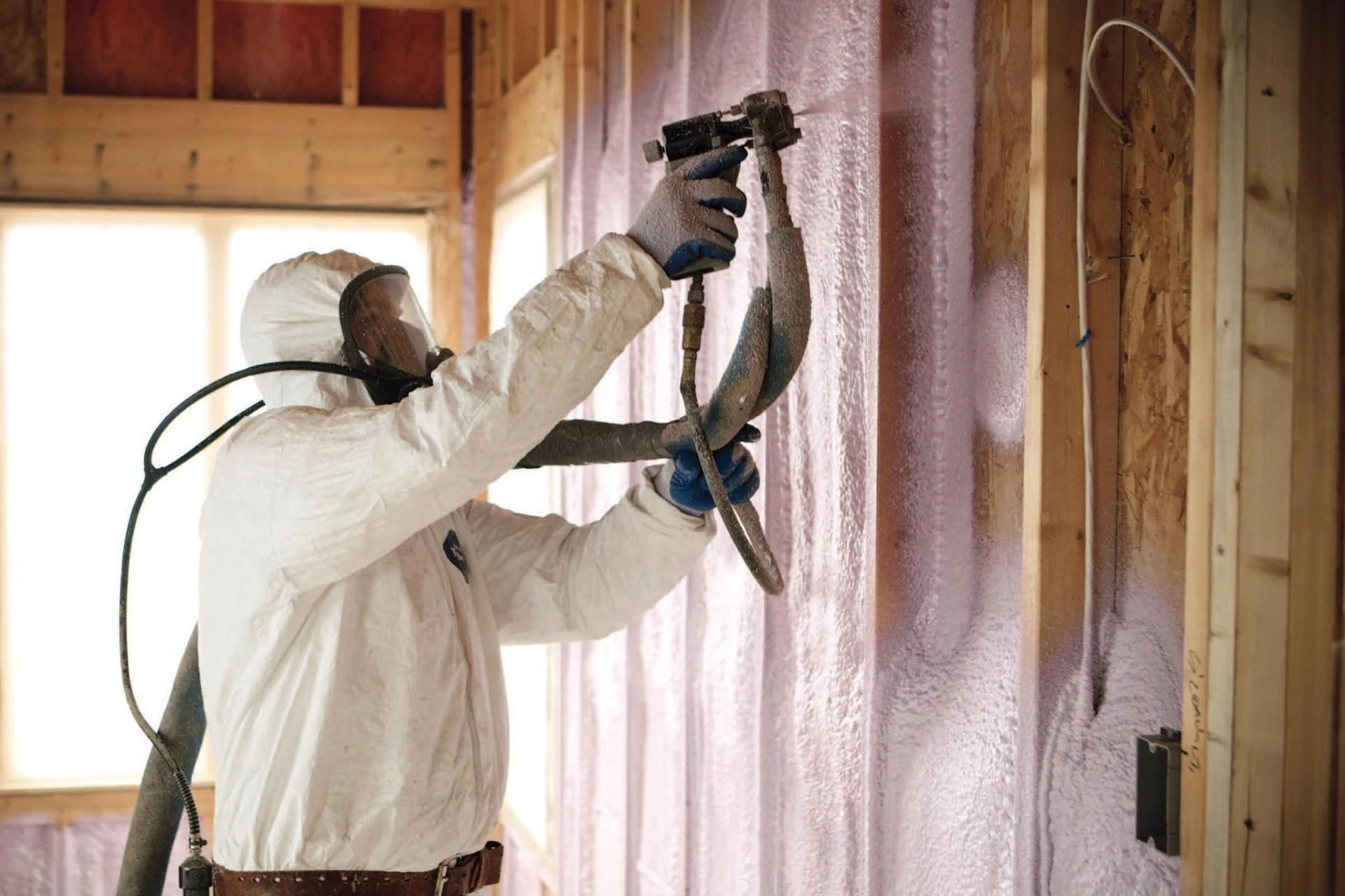
The difference starts with equipment and training. Professionals use truck mounted systems that heat and pump materials at controlled pressures. DIY kits rely on portable tanks with limited output.
These differences affect foam density, expansion, and bonding strength.
Equipment and Material Delivery
Professional rigs heat materials to precise temperatures before spraying. They maintain steady pressure and consistent mixing ratios.
DIY kits often lose pressure as tanks empty. This can cause uneven spray patterns or inconsistent curing.
Industry data shows that improper mixing can reduce insulation performance by up to 20 percent. Controlled application helps avoid that issue.
Coverage and Thickness Control
Uniform thickness matters. Closed cell foam typically provides R 6 to R 7 per inch. If applied unevenly, insulation value drops.
Professionals measure depth as they spray. They adjust technique to avoid thin spots or over expansion.
Bonus Tips
Check Surface PreparationDust, moisture, and oil affect adhesion. Experienced Closed-Cell Spray Foam Insulation experts inspect surfaces before spraying to ensure proper bonding.
Performance Differences Over Time
Short term results may look similar. Long term performance often separates professional work from DIY kits. Durability and air sealing depend on installation quality.
Air Sealing Capability
Closed cell foam expands into cracks and gaps. Professional crews understand how to seal rim joists, wall transitions, and roof decks.
DIY users may miss hidden gaps or create voids behind framing members.
Air leakage accounts for up to 30 percent of heating and cooling energy loss in many homes. Consistent application reduces that waste.
Moisture Resistance
Closed cell foam resists water absorption. When applied at proper thickness, it also adds structural strength.
Improperly applied foam may shrink or pull away from framing. That creates gaps over time.
Bonus Tips
Plan for Ventilation During InstallationProper ventilation protects indoor air quality during curing. A qualified Closed-Cell Spray Foam Insulation Contractor follows safety procedures and re entry guidelines.
Cost Comparison and Value
Upfront cost often drives DIY decisions. However, total project value includes performance and lifespan. Below is a side by side comparison.
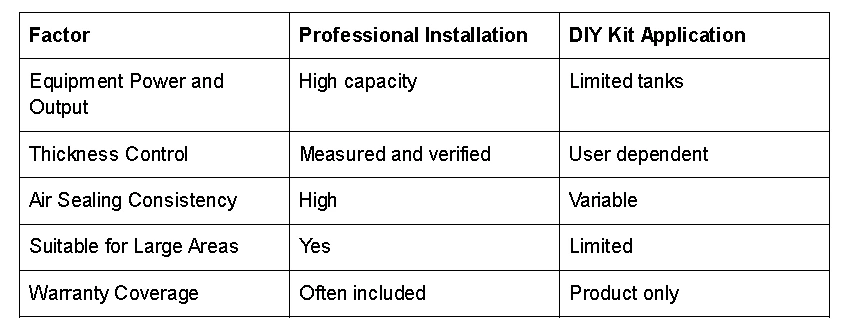
While DIY kits may cost less upfront, uneven coverage can lead to higher energy bills or the need for rework.
The spray foam insulation market continues to grow at over 6 percent annually. This reflects increasing demand for energy efficient solutions installed by trained teams.
Safety and Code Compliance
Spray foam installation involves protective gear and ventilation planning. Professionals follow building code requirements and manufacturer guidelines. DIY users may overlook these details.
Protective Measures
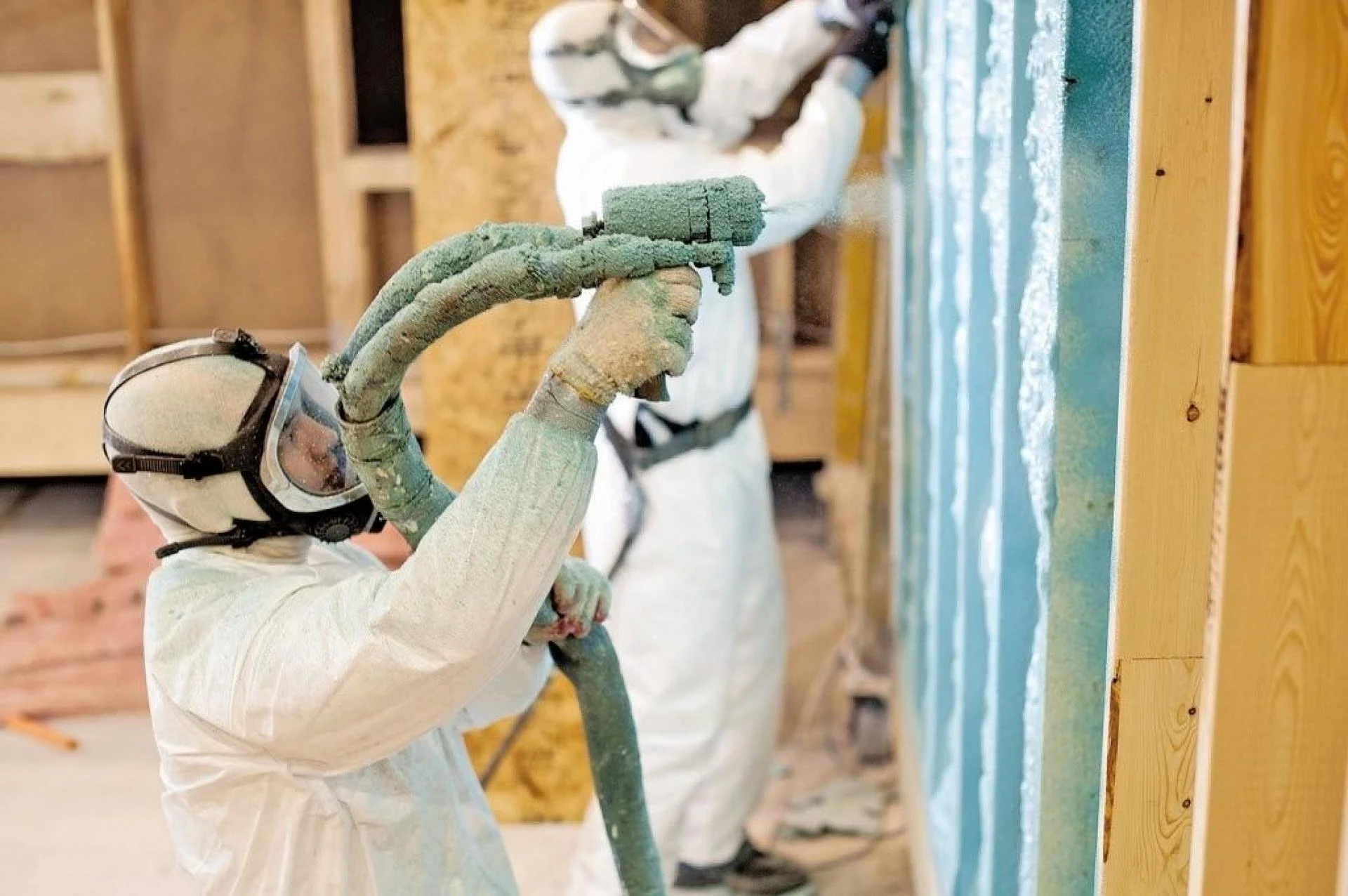
Professional installers wear full protective suits and respirators. They isolate work zones and monitor indoor conditions.
DIY kits include safety instructions, but enforcement depends on the user.
Building Code Requirements
Some regions require ignition barriers or thermal barriers over foam. Experienced Closed-Cell Spray Foam Insulation services ensure compliance with local rules.
Bonus Tips
Verify Local Inspection RulesSome areas require inspection before drywall installation. Professional teams coordinate with local officials when needed.
Climate Specific Considerations
Closed cell foam performs well in both hot and cold climates. Installation approach may vary by region. Moisture levels and temperature swings matter.
Hot and Humid Regions
In humid climates:
- Proper thickness helps reduce vapor movement
- Air sealing reduces load on cooling systems
- Roof deck applications improve attic comfort
Cold Regions
In colder climates:
- Foam reduces heat loss through framing
- Proper depth helps prevent condensation within walls
- Consistent coverage protects against drafts
A knowledgeable Closed-Cell Spray Foam Insulation Company evaluates regional conditions before recommending thickness and placement.
Things to Consider Before Making a Decision
Choosing between DIY and professional installation requires careful thought. Project size and skill level matter. So does long term ownership.
Project Scope
Small rim joist repairs may suit a DIY kit. Whole attic or wall projects often require professional equipment.
Experience Level
Spray foam expands quickly. Inexperienced users may overspray or underfill cavities.
Budget and Risk Tolerance
DIY kits reduce upfront expense. Professional installation reduces risk of costly corrections.
Access and Safety
Tight crawl spaces or high attic peaks increase risk. Professionals are trained for these environments.
Long Term Plans
Property owners planning to stay long term often prioritize consistent energy savings and durability.
Questions People Ask About Closed Cell Spray Foam Insulation
Can a DIY kit match professional results
For small repairs, it may perform adequately. For full scale insulation, professional installation usually provides more consistent results.
Is closed cell foam stronger than open cell foam
Closed cell foam is denser and adds structural strength. It also offers higher R value per inch.
How thick should closed cell foam be
Thickness depends on climate and building code. Professionals determine proper depth during planning.
Does closed cell foam require maintenance
Once installed correctly and protected, it requires little maintenance.
Is professional installation faster
Yes. Commercial equipment covers large areas quickly and evenly.
Final Thoughts on Professional Versus DIY Foam
Closed-Cell Spray Foam Insulation offers strong air sealing, high R value, and moisture resistance. Professional installation improves consistency, safety, and long term performance. DIY kits may suit small projects but carry higher risk for large applications.
Property owners should assess project size, climate, budget, and experience level before deciding. Careful evaluation helps ensure insulation performs as expected for years.
Speak With an Experienced Insulation Professional
Property owners considering insulation upgrades can contact Supreme Spray Foam LV for evaluation of attics, crawl spaces, and wall systems. They review project size, local climate, and energy goals before recommending the right approach.
They can be reached at (702) 904-9895 or [email protected]. Speaking with trained professionals helps ensure the insulation system meets building standards and long term performance needs.
Reviewer: Michael Carter reviewed this article using insight gained over 12 years in the spray foam business. His feedback focused on helping contractors reach new customers without overcomplicating their message.