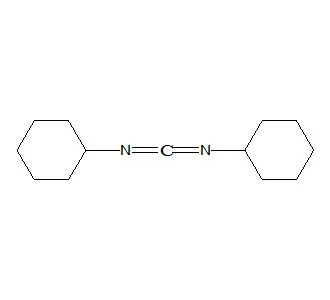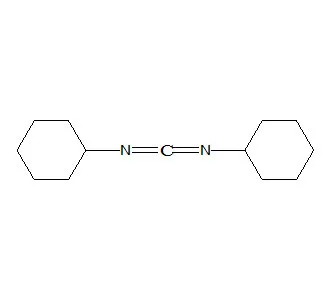
The development of advanced biomedical materials has created new opportunities in healthcare, pharmaceutical research, tissue engineering, and medical device manufacturing. These innovations depend on chemical reagents that help researchers create and modify materials with specific properties. Dicyclohexylcarbodiimide (DCC), also known as N,N'-Dicyclohexylcarbodiimide, is one such important reagent used in organic synthesis and material modification. Its role in facilitating chemical coupling reactions makes it valuable for researchers and industries working with advanced biomaterials. The growing interest in specialty chemical applications has also increased attention towards N, N Dicyclo Hexyl Carbodiimide Manufacturers In India as a source of this essential synthesis reagent.
Understanding Dicyclohexylcarbodiimide in Biomedical Research
Dicyclohexylcarbodiimide is an organic compound widely used as a coupling and dehydrating reagent. Its primary function is to activate carboxylic acid groups, allowing them to react with suitable compounds containing functional groups such as amines and alcohols.
This property is particularly useful in reactions involving amide and ester bond formation. Such chemical linkages are important in the preparation and modification of molecules used in biomedical research.
In material science, researchers frequently need to connect different molecular components to achieve specific chemical and functional characteristics. DCC-assisted coupling reactions offer a practical approach for carrying out selected modifications under appropriate reaction conditions.
Although DCC is not itself a biomedical material, it can support the synthesis and functionalization of certain compounds used in the development of advanced materials.
Role of DCC in Polymer-Based Biomedical Materials
Polymers are widely investigated for biomedical applications because their chemical structures and physical properties can be tailored for different purposes. They are used in research involving drug delivery systems, wound-care materials, tissue engineering, and medical coatings.
Dicyclohexylcarbodiimide can support polymer modification by facilitating reactions between carboxylic acid groups and suitable functional compounds.
For example, carbodiimide-mediated esterification can help introduce ester linkages into selected polymer structures. Researchers can use these reactions to investigate changes in chemical functionality, compatibility, and material performance.
Another area of interest is the functionalization of polymer surfaces. Introducing suitable chemical groups onto a polymer surface can help prepare materials for further modification with biologically relevant molecules.
Such approaches are useful in developing experimental materials where surface chemistry plays an important role in interactions with biological environments.
The selection of appropriate reaction conditions, starting materials, and purification procedures remains essential to achieving the intended material properties.
Applications in Peptide and Protein-Based Biomaterials
Peptides and proteins are important building blocks in biomedical research. Their molecular structures allow researchers to investigate materials with specific biological and chemical functions.
DCC plays an established role in peptide synthesis by helping activate carboxylic acid groups for peptide bond formation. This makes it useful in preparing peptide sequences that may subsequently be incorporated into research materials.
For instance, peptide-functionalized polymers and surfaces are investigated for applications involving cell attachment, tissue engineering, and biomaterial interactions.
Researchers can also explore peptide-based materials for controlled drug delivery and specialized biomedical formulations. The ability to prepare defined peptide structures is important when studying their behavior and potential applications.
However, peptide coupling requires careful control of reaction conditions because unwanted reactions, including racemization, may affect the quality of the final product. Suitable additives and optimized synthesis procedures can help address these challenges.
Supporting Research in Drug Delivery Systems
Drug delivery is another important area of biomedical material development. Researchers are continuously exploring ways to improve how pharmaceutical compounds are incorporated into materials and released under specific conditions.
Polymer-based delivery systems are particularly interesting because their chemical composition and structure can be adjusted according to research requirements.
DCC-assisted reactions may contribute to the preparation of selected polymer conjugates and functionalized materials through appropriate coupling chemistry. These modifications can help researchers attach different molecular components to a polymer backbone.
For example, chemical linking strategies are investigated when developing polymer systems containing drug-related molecules, targeting groups, or other functional components.
Such approaches can support the study of controlled release behavior, material stability, and molecular interactions. The suitability of any resulting material for biomedical use must still be established through appropriate purification, characterization, and biological testing.
Importance of Quality and Purity in Biomedical Applications
The quality of chemical reagents is an important consideration in biomedical material research. Even small variations in reagent purity or composition can influence reaction outcomes, particularly when researchers are working with complex molecular structures.
For Dicyclohexylcarbodiimide, parameters such as chemical identity, assay, impurity profile, and moisture exposure deserve attention.
Reliable analytical testing helps verify whether the reagent meets the required product specifications. Batch consistency is also valuable because it supports reproducibility across different synthesis experiments.
Since DCC can react with moisture, appropriate packaging, storage, and handling practices are important for maintaining product quality.
These considerations make it essential to source reagents with suitable specifications and supporting documentation. Researchers and procurement teams should evaluate product quality according to their intended synthesis requirements.
Growing Demand for Specialty Chemical Reagents in India
India's pharmaceutical, biotechnology, and specialty chemical sectors continue to create opportunities for advanced chemical research and manufacturing. As laboratories explore new polymer systems, peptide-based materials, and pharmaceutical intermediates, the need for reliable synthesis reagents remains important.
N, N Dicyclo Hexyl Carbodiimide Manufacturers In India support this chemical supply ecosystem by making an important coupling reagent available for different research and industrial applications.
When selecting a source, buyers should consider product specifications, quality documentation, packaging, consistency, and supply requirements. These factors help organizations make informed procurement decisions and maintain continuity in their synthesis activities.
Conclusion
Dicyclohexylcarbodiimide has an important role in organic synthesis processes that support biomedical material development. Its ability to facilitate amide and ester bond formation makes it useful in peptide chemistry, polymer functionalization, and the preparation of selected molecular structures for biomedical research.
As interest in advanced biomaterials, drug delivery systems, and peptide-based research continues to grow, dependable access to quality chemical reagents becomes increasingly important. Working with reliable N, N Dicyclo Hexyl Carbodiimide Manufacturers In India and paying attention to purity, batch consistency, and product specifications can help support effective synthesis and research activities.
Through its established coupling applications, DCC remains a valuable reagent in the wider field of chemical innovation and biomedical material development.
Other Recommendations: CAS NO 538-75-0 Manufacturers