
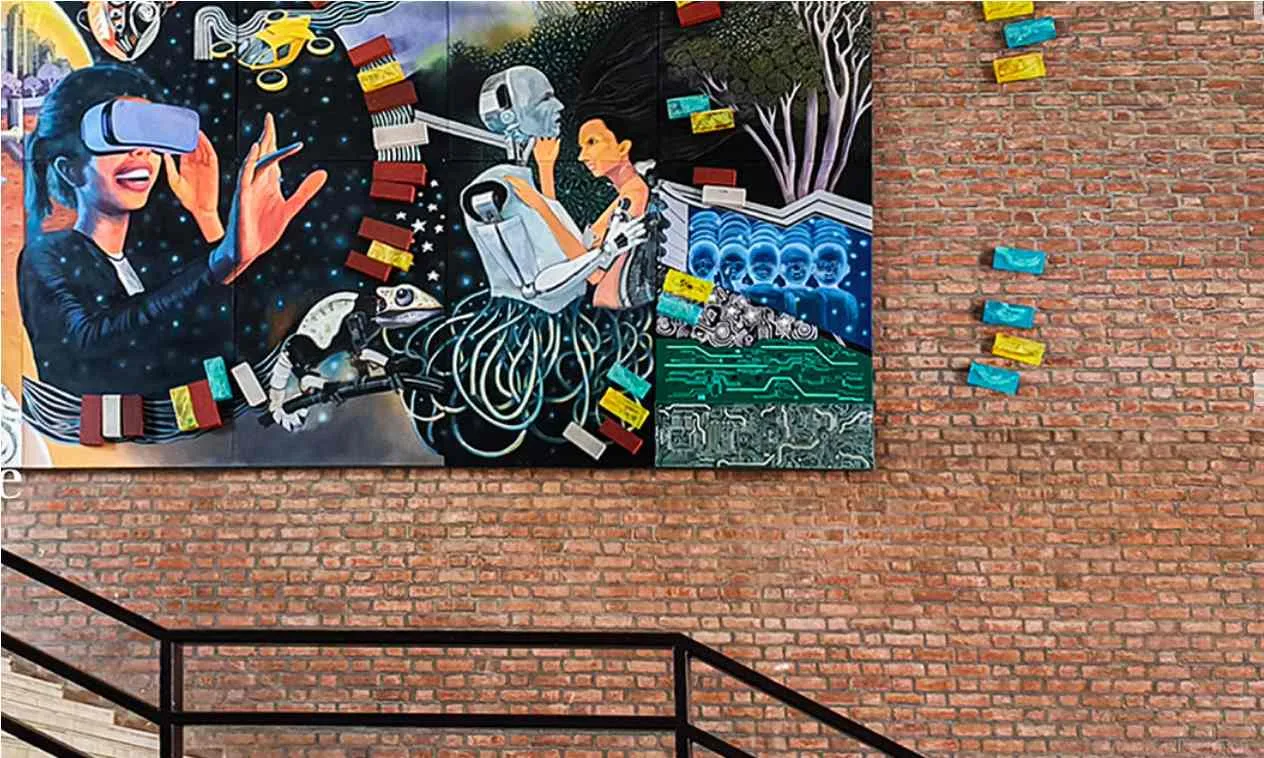
Modern offices are no longer limited to simple desk arrangements and neutral-colored spaces. Today's offices are expected to inspire creativity, strengthen collaboration, reflect company values, and leave a lasting impression on employees and clients alike. As businesses compete for talent and strive to create memorable workplace experiences, office design has become a strategic investment rather than just an operational necessity.
Bespoke corporate design addresses these evolving expectations by creating workspaces tailored to a company's identity, culture, workflows, and future goals. Unlike standard office interiors that rely on generic layouts and off-the-shelf furniture, bespoke design focuses on customization, functionality, and meaningful aesthetics that align with business objectives.
In this blog, we'll explore what truly sets bespoke corporate design apart from conventional office interiors and why more organizations are embracing personalized workplace solutions.
Understanding Standard Office Interiors
A universal approach to workspace planning is followed by standard office interiors. They often feature:
- Generic furniture collections
- Uniform workstation layouts
- Basic meeting rooms
- Minimal branding elements
- Limited customization
While these spaces are functional and cost-effective, they are typically designed to suit a wide range of businesses rather than addressing the unique operational needs of a specific organization.
Although standard interiors can provide a clean and professional environment, they rarely capture a company's personality or support specialized work patterns effectively.
What Is Bespoke Corporate Design?
Bespoke corporate design is a customized approach to creating office environments that reflect an organization's vision, culture, and operational requirements.
Instead of relying on pre-designed office solutions, designers take the time to understand different aspects of the business, including:
- Company values
- Employee work habits
- Departmental interactions
- Brand identity
- Future expansion plans
- Client experience
Every design decision—from furniture selection to lighting, materials, artwork, and spatial planning—is made specifically for that organization.
This approach creates a workspace that is tailored to the business rather than resembling a standard office.
Key Differences Between Bespoke Corporate Design and Standard Office Interiors
1. Personalized Design Instead of Generic Layouts
One of the biggest differences is personalization.
Standard office interiors often use pre-designed layouts that can be replicated across multiple businesses.
Bespoke corporate design begins with understanding how employees actually work. Designers create layouts that improve movement, collaboration, privacy, and productivity based on real workplace behaviors rather than assumptions.
This customized planning leads to more efficient and comfortable work environments.
2. Strong Brand Identity
Office spaces are an extension of a company's brand.
While standard interiors may display a company logo in the reception area, they rarely reflect the organization's distinct identity throughout the workspace.
Bespoke corporate design integrates branding throughout the workspace by using:
- Brand colors
- Custom materials
- Unique artwork
- Signature lighting
- Cultural storytelling
- Architectural elements
These thoughtful details help employees feel connected to the organization while making a lasting impression on visitors.
3. Better Space Utilization
Every business operates differently.
A software company requires different workspace solutions than a law firm or creative agency.
Standard office interiors frequently allocate identical workstations regardless of team functions.
Bespoke corporate design evaluates how every department uses space and creates layouts accordingly.
Examples include:
- Flexible collaboration zones
- Quiet focus rooms
- Innovation labs
- Client presentation spaces
- Informal discussion areas
- Multi-purpose meeting rooms
This optimized planning ensures every square foot serves a meaningful purpose.
4. Employee-Centric Workplace Experience
Employees spend major part of their day at work.
A thoughtfully designed workplace can positively influence motivation, collaboration, and overall job satisfaction.
Bespoke corporate interiors prioritize employee well-being by considering factors such as:
- Ergonomic furniture
- Natural lighting
- Acoustic comfort
- Indoor greenery
- Wellness areas
- Comfortable breakout spaces
Rather than focusing solely on appearance, the design supports healthier and more productive work habits.
5. Flexibility for Future Growth
Businesses continuously evolve.
Teams expand, technologies change, and work models shift.
When organizations grow or restructure, standard office layouts can become restrictive
Bespoke corporate design incorporates flexibility through modular furniture, adaptable layouts, and scalable infrastructure, making it easier to accommodate future changes without requiring major renovations.
6. Superior Material Selection
Material choices significantly influence durability, maintenance, and aesthetics.
Standard office interiors often prioritize affordability through mass-produced finishes.
Bespoke corporate projects carefully select materials that balance:
- Longevity
- Sustainability
- Brand consistency
- Visual appeal
- Ease of maintenance
Premium finishes, handcrafted elements, and custom furnishings contribute to a more refined workplace environment.
7. Technology Integration from the Start
Modern workplaces rely heavily on technology.
Bespoke corporate design plans for seamless integration of:
- Smart meeting rooms
- Wireless collaboration systems
- Digital displays
- Automated lighting
- Access control
- Energy-efficient systems
Instead of adding technology later, it becomes part of the overall design strategy, resulting in a cleaner and more efficient workspace.
Why Businesses Are Choosing Bespoke Corporate Design
Organizations increasingly recognize that workplace design influences business performance.
A customized office environment can:
- Improve employee engagement
- Support collaboration
- Enhance productivity
- Strengthen employer branding
- Impress clients and stakeholders
- Reflect organizational values
- Increase space efficiency
These long-term advantages often outweigh the initial investment compared to conventional office interiors.
Is Bespoke Corporate Design Worth the Investment?
While bespoke corporate design typically requires more planning than standard office solutions, it delivers greater long-term value.
Customized workspaces reduce inefficiencies, improve employee satisfaction, and create environments that evolve alongside the business.
Instead of requiring frequent redesigns, organizations benefit from spaces built specifically around their operational needs and growth strategies.
For companies focused on innovation, talent retention, and creating meaningful workplace experiences, bespoke design is a strategic investment rather than an unnecessary expense.
Conclusion
While standard office interiors are practical and easy to implement, they may not offer the adaptability and personalized touch modern organizations seek. In contrast, bespoke corporate design creates workplaces that reflect a company's culture, support employee well-being, and align with long-term business goals.
By combining thoughtful planning, customized layouts, premium materials, and integrated technology, bespoke corporate spaces go beyond aesthetics to improve functionality and workplace experience. As organizations continue to recognize the impact of environment on performance and brand perception, investing in a tailored office design becomes a powerful way to create spaces that inspire people, strengthen collaboration, and support sustainable business growth.