A premium restaurant experience is often misunderstood as an expensive meal served in an impressive-looking space. Price and appearance may influence first impressions, but they do not determine whether guests leave feeling genuinely satisfied. The quality of a dining experience is created through a sequence of connected details: the ease of making a reservation, the welcome at the entrance, seating comfort, menu clarity, service timing, food consistency and the atmosphere surrounding the table.
This becomes particularly important when dining is connected to a family gathering, celebration or visit to a new destination. Guests are not only ordering food; they are choosing where an important part of their day will unfold. A restaurant may have an attractive interior, but if the seating feels uncomfortable, the music makes conversation difficult or dishes arrive without coordination, the experience can quickly lose its sense of quality.
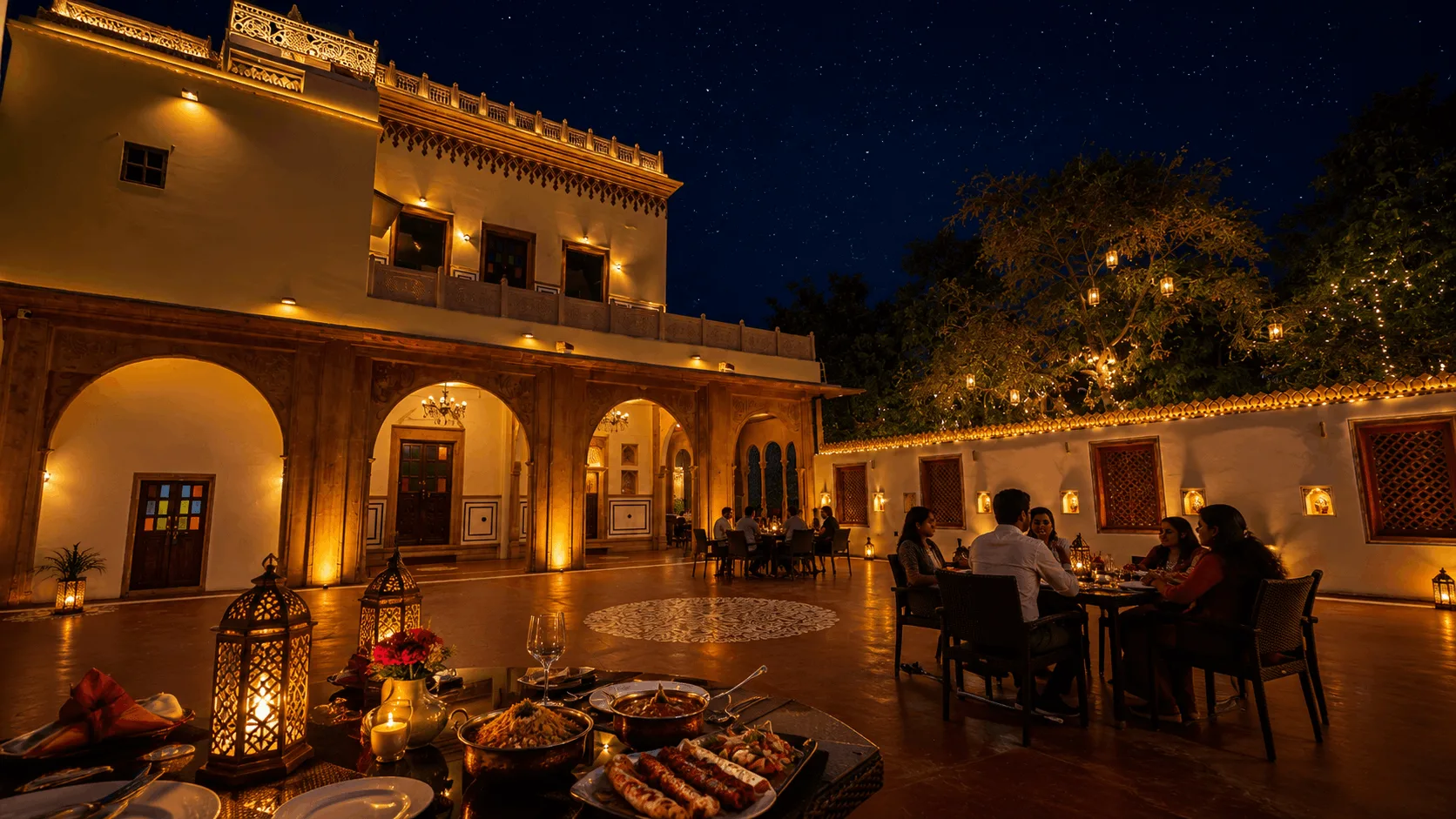
Townhall Restaurant in Bharatpur brings together heritage character, multiple dining environments and a family-oriented atmosphere. Its setting within Lohagarh Fort gives the restaurant an identity that differs from a conventional commercial dining outlet. However, understanding what makes the experience premium requires looking beyond the building and examining how atmosphere, hospitality and food work together.
Premium Dining Begins Before the Food Arrives
The dining experience starts before a guest reads the menu. It may begin while searching for the restaurant online, speaking to the reservation team or arriving at the property. Clear directions, accurate information and a straightforward booking process reduce uncertainty and help guests feel confident about their choice.
On arrival, people quickly observe the environment. They notice whether the entrance feels welcoming, whether staff acknowledge them and whether the seating arrangement matches their requirements. A couple seeking a peaceful dinner needs a different table from a large family celebrating a birthday. Elderly guests may value convenient, comfortable seating, while parents may want enough room for children to sit without disturbing neighbouring tables.
A restaurant that understands these differences does not treat every reservation identically. It considers the occasion, group size and expectations of the guests. This attention may appear simple, but it establishes the tone for everything that follows.
The Setting Should Support the Occasion
People visit restaurants for many reasons. Some want a casual meal after sightseeing, while others may be planning an anniversary, birthday, family reunion or group dinner. The same environment cannot always serve every purpose equally well.
A restaurant with multiple seating options can respond more effectively to different occasions. Indoor dining provides comfort and predictability, particularly during extreme weather. Outdoor seating can offer a more relaxed atmosphere when conditions are pleasant. Rooftop dining may create a distinctive evening experience for couples, families and visitors who want to enjoy their meal in a more open setting.
Townhall Restaurant offers indoor, outdoor and rooftop dining environments, giving guests the opportunity to select an atmosphere that suits their plans. Those searching for a premium restaurant in Bharatpur should consider this flexibility because the setting influences how naturally the meal fits the occasion.
The most visually impressive table is not automatically the right one. A successful dining experience depends on whether guests can converse comfortably, move easily and remain relaxed throughout the meal.
Heritage Character Creates a Sense of Place
Restaurants increasingly invest in themed interiors, but decoration alone does not create authenticity. A heritage atmosphere feels convincing when architecture, materials, lighting and spatial character connect naturally with the destination.
Bharatpur has its own historical and cultural identity, and visitors often want their dining experience to reflect something of the place they have travelled to see. A restaurant located in a heritage-influenced environment can extend that connection beyond monuments and sightseeing. The meal becomes another opportunity to experience the destination rather than a pause in between attractions.
Townhall Restaurant is situated within Lohagarh Fort Bharatpur, giving it a distinctive setting shaped by traditional architectural character. The surroundings create a visual identity that cannot be reproduced simply by adding decorative objects to a modern commercial space.
When choosing a heritage restaurant in Bharatpur, guests should look for more than antique-style furniture or traditional artwork. The strongest experience comes from a setting where architecture and atmosphere feel connected, allowing the place to remain part of the memory of the meal.
Luxury Is Often Experienced Through Comfort
Luxury dining is frequently associated with elaborate presentation and formal service. These elements may contribute to the experience, but luxury is often felt through comfort rather than display.
Guests experience comfort when the table provides enough space, the seating remains pleasant during a long conversation and staff are attentive without constantly interrupting. They notice when water is replenished, serving dishes are placed carefully and courses arrive at an appropriate pace. Families appreciate when different preferences are handled patiently, while couples value privacy and an atmosphere that allows uninterrupted conversation.
The real test of service is whether it feels responsive rather than rehearsed. Guests should not have to repeatedly seek assistance, but they should also not feel observed throughout the meal. This balance requires awareness and timing.
People considering a luxury restaurant in Bharatpur should therefore evaluate the complete experience rather than relying only on photographs. A beautifully decorated dining room may attract attention, but thoughtful service and physical comfort determine whether guests want to remain at the table.
Menu Variety Must Remain Understandable
A large menu can suggest choice, but excessive variety may make decision-making difficult. A well-designed menu should help guests understand the style of food, ingredients and portion expectations without requiring lengthy explanations.
Family groups frequently include different preferences. Some members may want familiar Indian dishes, while others prefer something lighter or more contemporary. Children and elderly guests may require less spicy preparations, and some diners may have dietary restrictions that need to be communicated clearly.
A restaurant does not need to offer every cuisine to satisfy every guest. It needs to provide enough thoughtful variety while maintaining consistency. It is better to prepare a focused selection well than to offer an enormous list that the kitchen cannot execute reliably.
Guests should feel comfortable asking questions about ingredients, preparation and suitable combinations. Helpful recommendations can make the ordering process easier, particularly for visitors unfamiliar with the menu.
Food Quality Depends on Consistency
A memorable dish is valuable, but consistency determines the reputation of a restaurant. Guests expect the same standard across starters, main courses, accompaniments and desserts. Temperature, seasoning, texture and presentation should remain dependable even when the restaurant is busy.
Consistency is especially important for group dining. If some guests receive their dishes much earlier than others, the table cannot enjoy the meal together. Similarly, if one dish is excellent while another is poorly prepared, the entire group’s impression may be affected.
Good coordination between the kitchen and service team helps courses arrive at an appropriate pace. The purpose is not to serve everything as quickly as possible, but to maintain the natural flow of the meal. Guests should have time to enjoy each course without experiencing long, unexplained delays.
Family Dining Requires More Than a Large Table
A family restaurant should understand how groups behave. People may arrive at slightly different times, children may require attention and elderly guests may prefer an earlier dinner. Conversation is often the main purpose of the gathering, which means the environment should support interaction rather than compete with it.
Seating arrangements influence whether everyone feels included. A table that is too long or crowded can divide the group into smaller conversations. Adequate space allows serving dishes to be shared comfortably and reduces inconvenience when guests move.
Townhall Restaurant’s family-oriented environment makes it suitable for everyday meals as well as birthdays, anniversaries and other personal celebrations. Its no-STAG-entry policy contributes to an atmosphere focused on families, couples and organised groups.
The best family dining experiences do not feel rushed. Guests have time to order, share food, take photographs and enjoy conversation without feeling pressure to leave immediately after the plates are cleared.
Celebrations Need Coordination, Not Only Decoration
Balloons, flowers and a cake can make a table look festive, but a successful celebration depends on coordination. The restaurant should know when the main guests are expected, where the group will sit, when the cake should be presented and whether any special meal arrangements have been requested.
Families should share important details while making the reservation. Group size, arrival time, seating preference, dietary requirements and celebration expectations should be discussed clearly. This reduces last-minute confusion and allows the restaurant to prepare appropriately.
A small anniversary dinner may need privacy and gentle lighting, while a birthday with several family members may need a larger table and easier service access. The atmosphere should complement the occasion rather than becoming more important than it.
Cleanliness Is Part of the Dining Experience
Cleanliness is not an additional feature of premium dining; it is a basic requirement. Guests notice the condition of tables, serving ware, floors, washrooms and shared spaces. Even excellent food cannot fully recover an experience affected by poor upkeep.
A well-maintained environment communicates operational discipline. It reassures diners that care extends beyond what is immediately visible on the plate. This is particularly important for families travelling with children and elderly relatives.
Guests may not consciously praise every clean surface, but they quickly notice when standards are missing. Reliable upkeep therefore supports trust without needing promotional claims.
Service Should Understand When to Intervene
Good restaurant service requires judgement. Staff should be available when guests need assistance but should also recognise when people want privacy. Interrupting an important conversation repeatedly can be as uncomfortable as being unable to find help.
Service teams should observe the pace of the table. Some diners prefer a quick meal, while family gatherings may continue for longer. Asking about the occasion and schedule can help the restaurant adjust timing appropriately.
When a mistake occurs, the response matters as much as the original problem. A clear acknowledgement and practical solution can preserve trust. Defensive explanations usually make a small issue feel larger.
Value Is Different from Low Price
Guests often judge value by comparing the bill with the complete experience. Food quality is central, but atmosphere, comfort, service, cleanliness and the suitability of the setting also influence whether the meal feels worthwhile.
A lower-priced restaurant can provide excellent value, while an expensive restaurant can disappoint if the experience lacks consistency. Premium dining is justified when each part of the visit supports the guest’s purpose.
For a family celebration, value may come from having suitable seating and dependable coordination. For a couple, it may mean privacy and atmosphere. For tourists, it may include the opportunity to dine in a setting connected to Bharatpur’s character.
Conclusion
A truly premium restaurant experience is built through many details that guests may not evaluate separately. The welcome, seating, atmosphere, menu, service timing, food quality and cleanliness combine to shape how the meal is remembered.
Townhall Restaurant brings these elements into a setting influenced by the heritage character of Lohagarh Fort Bharatpur. Its indoor, outdoor and rooftop dining environments allow families, couples and groups to choose an experience aligned with their occasion.
The strongest restaurants are not those that simply describe themselves as premium or luxurious. They demonstrate quality through consistency, comfort and thoughtful hospitality. When food, service and setting work together naturally, a meal becomes more than a dining transaction—it becomes a meaningful part of the time guests spend in Bharatpur.