Selecting a restaurant for several people can become surprisingly complicated. One guest may prefer traditional Indian flavours, another may want a familiar comfort dish, while someone else may be looking for a lighter or more contemporary meal. The challenge is not simply finding a restaurant with a long menu; it is finding one where variety remains organised, understandable and enjoyable.
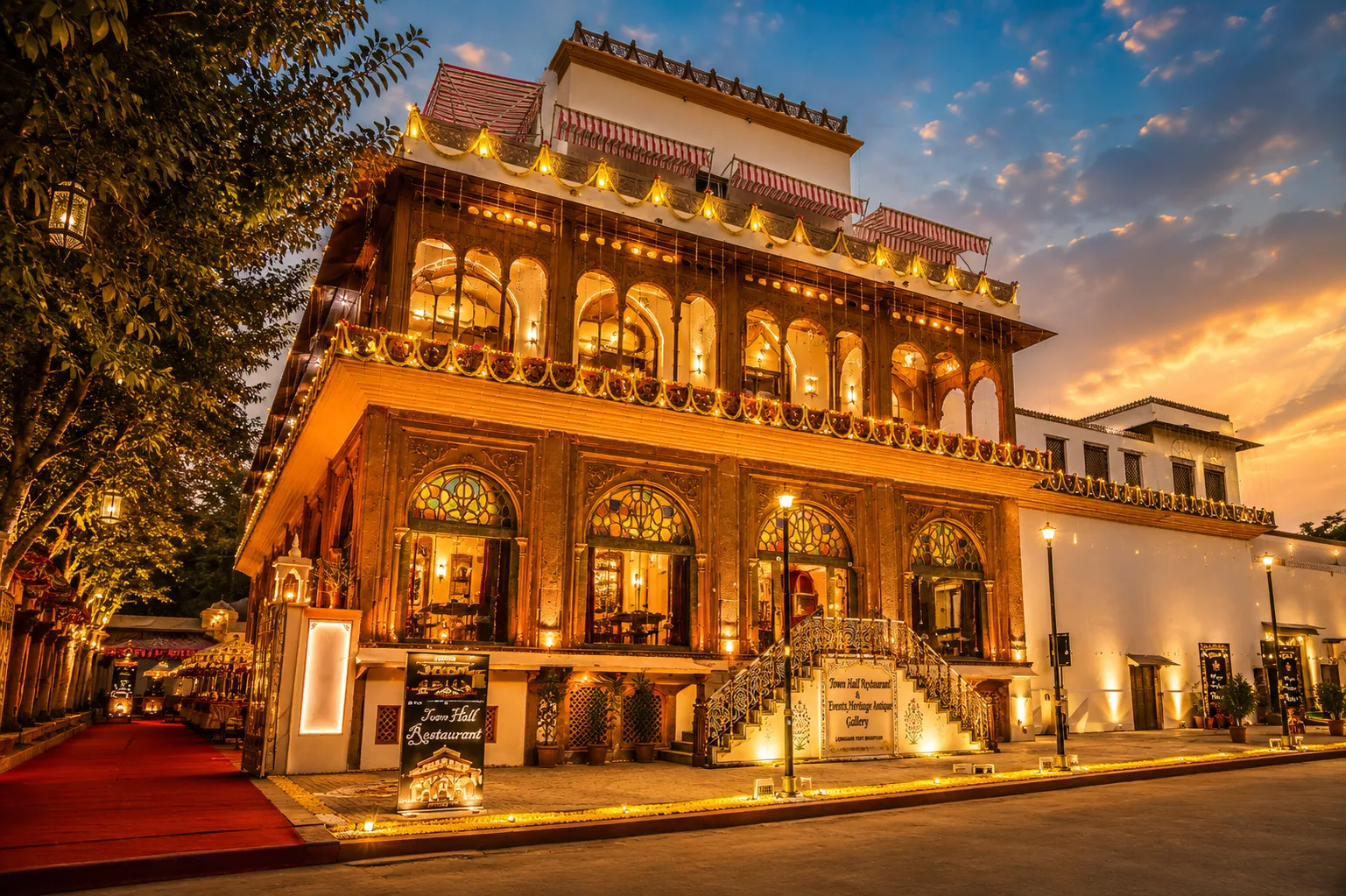
Guests looking for a multi-cuisine restaurant in Bharatpur can consider Townhall Restaurant, located within the historic Lohagarh Fort complex. Its dining experience brings multiple food preferences together within a heritage setting, allowing families, friends, visitors and professional groups to share one meal without requiring everyone to have identical tastes.
Quick Answer: Why Is Townhall Restaurant Suitable for Mixed Food Preferences?
Townhall Restaurant is suitable for groups with different food preferences because its multi-cuisine approach gives diners broader choice while keeping the complete group at one destination. Guests can select dishes according to their individual tastes and still share a coordinated dining experience.
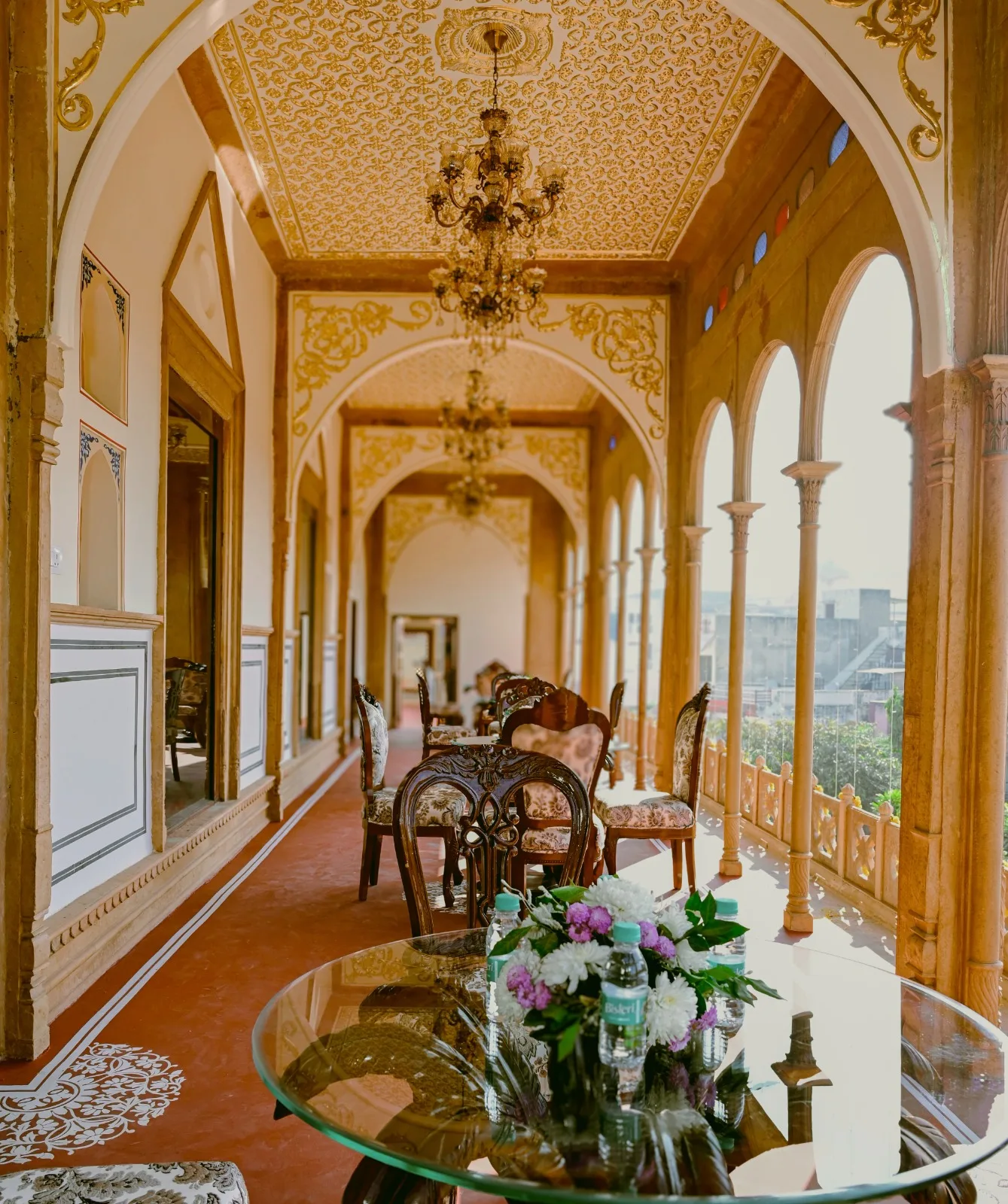
The restaurant’s indoor, outdoor and rooftop settings also allow diners to choose an atmosphere suited to the occasion, subject to availability and weather conditions.
Does a Larger Menu Automatically Create a Better Experience?
Not necessarily. A long menu can be helpful, but quantity alone does not solve the needs of a mixed group. Diners should be able to understand the available choices and select dishes that work well together.
A useful multi-cuisine menu should make it possible to build a balanced meal rather than presenting unrelated options. Starters, main courses, breads, accompaniments, beverages and desserts should allow both individual ordering and shared dining.
Service also matters. When diners are uncertain, knowledgeable guidance can help them understand portion sizes, spice levels and combinations. This prevents over-ordering and helps the table receive a meal that feels planned rather than random.
Why Do Groups Usually Have Different Dining Expectations?
People arrive at a restaurant with preferences shaped by age, routine, health considerations, travel experience and personal taste.
Senior guests may prefer familiar dishes and a comfortable spice level. Children may want simple flavours. Younger adults may be interested in exploring different preparations, while travellers may want a meal that reflects the destination. Some guests prefer sharing, while others want an individual dish.
No single choice can satisfy all these expectations. The purpose of a multi-cuisine restaurant is not to make everyone eat differently; it is to provide enough flexibility for the group to agree on a meal without excluding anyone.
How Should a Group Order from a Multi-Cuisine Menu?
The most effective approach is to begin by understanding the table rather than immediately ordering several popular dishes.
The group can first confirm:
- The number of vegetarian and non-vegetarian diners
- Any allergies or dietary limitations
- Preferred spice levels
- Whether dishes will be shared
- Whether children require simpler options
- How many guests want a complete individual meal
- Whether dessert will be ordered later
The order can then be built in stages. A small selection of starters allows guests to settle in and understand their appetite. Main courses can include complementary dishes rather than too many similar gravies or flavours. Breads, rice and accompaniments should be selected according to the number of diners.
This method usually creates a better experience and reduces food waste.
Why Is Honest Menu Guidance Valuable?
Guests sometimes order according to dish names or photographs without knowing serving size, preparation style or spice intensity. This can lead to duplication or choices that do not suit the table.
Restaurant staff can make the process easier by explaining which dishes are suitable for sharing and how many portions may be appropriate. They can also help guests avoid ordering several items with nearly identical flavour profiles.
This guidance should support the diners’ choices rather than pressure them toward particular dishes. The final meal should reflect the group’s preferences and budget.
How Can Vegetarian and Non-Vegetarian Diners Eat Comfortably Together?
Mixed groups often worry that one section of the table will have fewer choices or that orders may become confusing. Clear communication at the beginning can prevent this.
Guests should state their requirements directly and ask for suitable recommendations. Shared dishes can be separated thoughtfully, and serving arrangements can be explained when the order is placed.
Vegetarian guests should not be treated as an afterthought. Their portion of the meal should contain variety and balance rather than depending on one basic dish. Similarly, non-vegetarian diners may prefer different cooking styles and spice levels.
A well-organised restaurant helps both preferences remain part of one smooth dining experience.
How Should Families Order for Children?
Children often have different appetites and may find strongly spiced or unfamiliar dishes difficult. Parents do not necessarily need a separate children’s menu, but they should ask which options can be served in a suitable style.
Simple portions, familiar textures and manageable spice can make the meal more comfortable. Parents should also avoid ordering too many dishes for children before understanding what they are willing to eat.
The objective is not to prevent children from exploring new flavours. A small shared portion can introduce something new without making the entire meal depend on it.
Why Does Ambience Still Matter When the Focus Is Food Variety?
Food choice solves only one part of the dining decision. The environment determines whether guests can enjoy those choices comfortably.
Townhall Restaurant’s heritage location gives the meal a distinctive identity. Indoor dining may suit guests who prioritise consistent comfort, while outdoor or rooftop settings may add openness to a relaxed evening, depending on season and availability.
The environment should complement the purpose of the meal. A quick professional lunch, an evening with friends and a meal with visiting relatives may each require a different pace and atmosphere.
Can Multi-Cuisine Dining Help Travellers?
Visitors may want to experience local flavours but might not prefer unfamiliar food throughout their journey. A multi-cuisine restaurant provides a useful balance.
Some members of the group can explore regionally inspired choices, while others remain with familiar dishes. This flexibility is especially helpful for families travelling with children, senior citizens or international visitors.
Townhall Restaurant also gives travellers a dining setting connected with Bharatpur’s heritage. Its location within Lohagarh Fort can make the meal feel relevant to the destination even when every dish ordered is not strictly regional.
How Does Meal Pacing Improve the Experience?
When all dishes arrive together, the table can become crowded and food may lose its ideal temperature before guests reach it. Serving the meal in a natural sequence allows diners to enjoy each stage properly.
A comfortable progression may begin with beverages and starters, continue to the main course and finish with dessert. However, the restaurant should adapt when diners have limited time or children are hungry.
Guests can communicate their expected schedule when ordering. This allows the service team to align preparation and presentation with the occasion.
Good pacing also creates room for conversation. The meal feels complete without becoming either rushed or unnecessarily long.
How Can Diners Control Their Budget?
A multi-cuisine meal does not need to become expensive simply because more options are available. Groups can manage their budget through sensible selection.
Shared starters and main courses can work efficiently when portion sizes are understood. Ordering gradually is often better than placing an oversized initial order. Guests can add another dish if required rather than leaving large quantities unfinished.
The group should also review taxes, beverages and special arrangements when planning a fixed-budget meal. For an organised gathering, advance discussion with the restaurant may help create an appropriate menu.
What Makes Townhall Restaurant Different?
Townhall Restaurant combines food variety with a setting that belongs unmistakably to Bharatpur. The experience is not based only on menu range. The historic surroundings, multiple dining environments and group-friendly approach contribute to the complete meal.
Guests searching for a top restaurant in Bharatpur may value this balance. The restaurant can serve diners who want familiar food, those who prefer to explore different preparations and groups that need enough flexibility to keep everyone comfortable.
Final Thoughts
A good multi-cuisine restaurant does not force diners to choose between variety and a coherent meal. It helps people with different preferences sit together, order confidently and enjoy food at a comfortable pace.
Townhall Restaurant can be considered a restaurant with diverse cuisine in Bharatpur because it brings choice, heritage ambience and group dining together within one destination. By communicating preferences clearly and ordering thoughtfully, guests can create a meal where each person finds something suitable without dividing the group across multiple restaurants.