Shelters provide more than just a roof over someone’s head—they’re a lifeline, a safe space, and often a turning point in someone’s life. But creating a truly safe, dignified, and functional shelter environment involves more than food and four walls.
Something as basic as a mattress can play a surprisingly important role in both the well-being of the residents and the efficiency of the facility.
So, what makes a shelter mattress genuinely suitable for shelters? Let’s unpack the essential considerations.
The Demands of a Shelter Environment
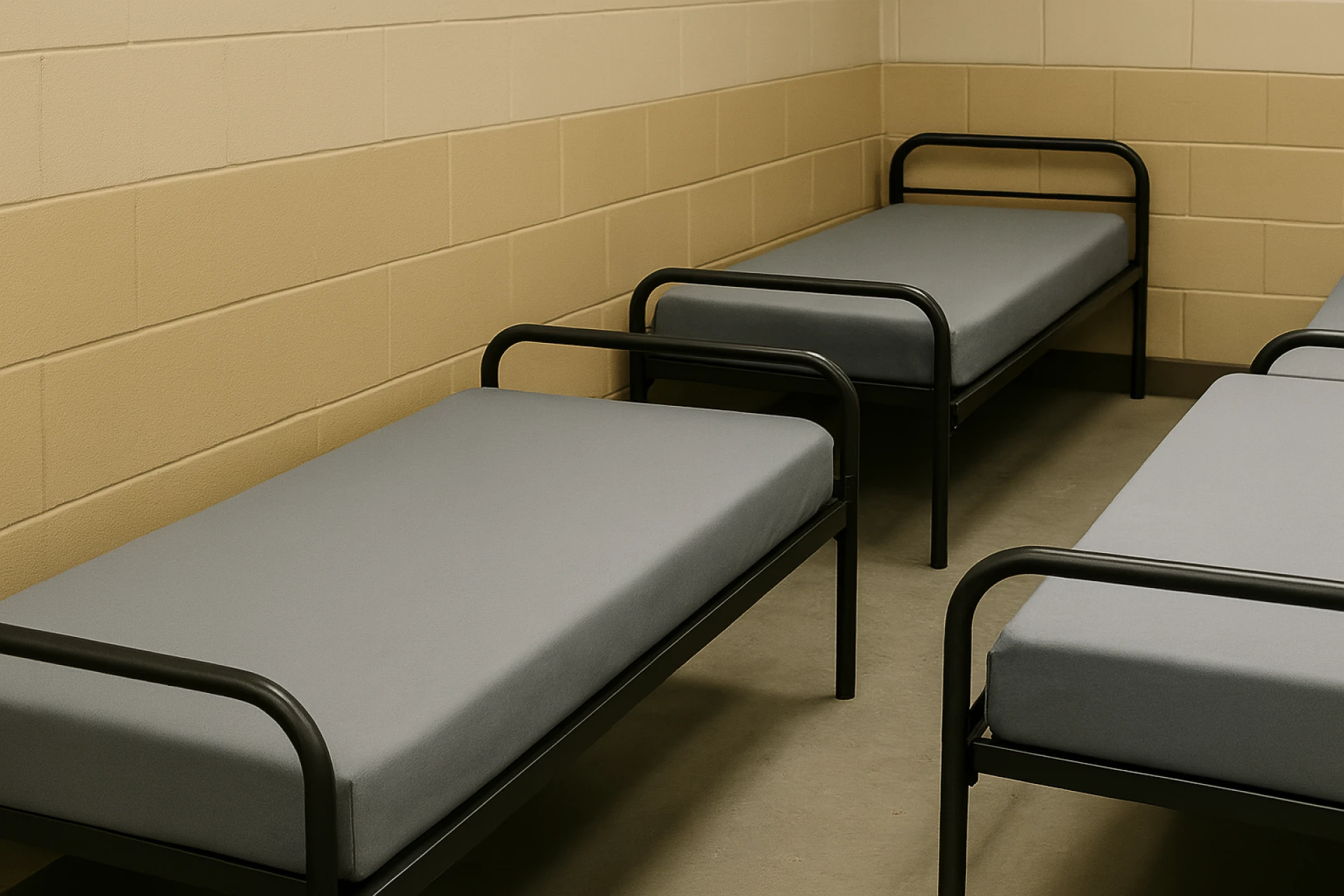
Unlike private homes or even dormitories, shelters face unique operational demands. Beds in these spaces are used by a wide variety of individuals, often in high-turnover cycles, sometimes nightly.
The mattress becomes not just a place to sleep, but a shared resource, one that must endure frequent use, varying body weights, and unpredictable conditions.
On top of that, shelters must often comply with strict regulations, including health codes, flammability standards, and sanitation protocols. And, so does the shelter mattresses.
And with tight budgets and limited storage space, administrators can’t afford to invest in items that wear out quickly or require extensive maintenance.
Why Regular Mattresses Just Don’t Work?
It might seem easier or cheaper to source standard household mattresses, but these often prove inadequate. Here’s why:
1. Hygiene challenges
Traditional mattresses are difficult to clean and are highly absorbent, making them prone to trapping fluids, odors, and bacteria.
2. Infestation risks
Without protective materials, mattresses can harbor bed bugs, lice, and other pests, posing a risk to everyone in the facility.
3. Durability issues
Standard mattresses wear out quickly under constant use, especially in shared settings.
4. Non-compliance
Many conventional models do not meet the flame-retardant standards required by shelters funded through government or municipal programs.
The end result? Increased replacement costs, sanitation concerns, and a potentially unsafe environment for residents.
Essential Features of a Shelter Mattress
A shelter mattress designed for shelter use must strike a balance between durability, safety, and hygiene. The following features are non-negotiable:
1. Waterproof and Easy to Clean
A fully sealed, waterproof cover is essential. This prevents the absorption of bodily fluids, spills, and other contaminants. Vinyl or coated nylon covers are commonly used because they are easy to wipe down with disinfectant between uses.
2. Flame-Retardant Construction
Shelters—especially those receiving public funding—must comply with fire safety regulations. Mattresses designed for these environments typically meet CFR 1632 and 1633 flammability standards, which help protect occupants in case of a fire.
3. Durable Inner Core
Whether foam or innerspring, the mattress core must be strong enough to resist sagging and tearing from repeated use. Reinforced seams and puncture-resistant materials reduce the risk of damage and extend lifespan.
4. Anti-Microbial and Pest-Resistant
To reduce the spread of infection and illness, some shelter-grade mattresses are treated with antimicrobial coatings. Seamless or sealed designs also help prevent the accumulation of pests like bed bugs, which can spread rapidly in communal sleeping areas.
5. Lightweight and Stackable
Shelters often need to store extra mattresses or move them frequently. Lightweight designs that can be stacked or folded help staff manage space more effectively, especially in multi-purpose rooms or transitional setups.
Balancing Cost and Lifespan
While specialized mattresses may seem more expensive upfront, they can actually reduce long-term costs.
A mattress that’s built to last 5–10 years in high-traffic environments will outperform cheaper options that require frequent replacement.
Additionally, choosing a mattress that reduces the risk of pest infestations or contamination lowers the cost of pest control, deep cleaning, and resident turnover due to poor conditions.
Procurement decisions for shelters often boil down to lifecycle value rather than sticker price. Durability, safety, and ease of maintenance should weigh more heavily than short-term savings.
Who Benefits from Shelter-Grade Mattresses?
While we tend to think of emergency shelters first, many different environments can benefit from high-performance mattresses, including:
- Transitional housing programs
- Homeless shelters
- Women’s and domestic violence shelters
- Disaster relief centers
- Faith-based temporary housing setups
- Youth shelters and group homes
- Rehabilitation and detox centers
These organizations share the common need for reliable, hygienic, and easy-to-manage bedding options.
Frequently Asked Questions
1. Why is mattress durability so important in shelters?
Shelters serve high volumes of people, often around the clock. Durable mattresses reduce wear and tear, minimize replacement costs, and ensure consistent support for guests.
2. How can a mattress design support dignity in emergency housing?
A well-designed mattress respects personal comfort, hygiene, and privacy—key elements that help restore dignity in often difficult circumstances.
3. What materials are best suited for shelter mattresses?
Shelter mattresses typically use vinyl or nylon covers that are fluid-resistant, antimicrobial, and easy to clean, while inner cores may feature high-density foam or innerspring designs for structural integrity.
4. Are fire safety standards relevant for shelter mattresses?
Yes. Shelter mattresses should comply with fire retardant regulations such as CFR 1633 or TB 129, especially in facilities with dense occupancy and limited egress options.
5. How do shelters balance cost with comfort in choosing mattresses?
Balancing cost with comfort involves selecting mattresses that meet minimum sleep and hygiene standards without compromising safety or long-term durability, often by sourcing institutional-grade options designed for high-use environments.
A Safe Night’s Rest Shouldn’t Be a Luxury
In environments where people are already experiencing high levels of stress, uncertainty, or trauma, sleep plays a critical role in recovery and well-being.
A clean, safe, and supportive mattress isn’t just a physical necessity—it’s a message of care and dignity.
Organizations tasked with supporting vulnerable populations must think carefully about their sleep infrastructure.
Choosing the right type of mattress isn’t just about logistics—it’s about building a safer, healthier, and more humane system of care.