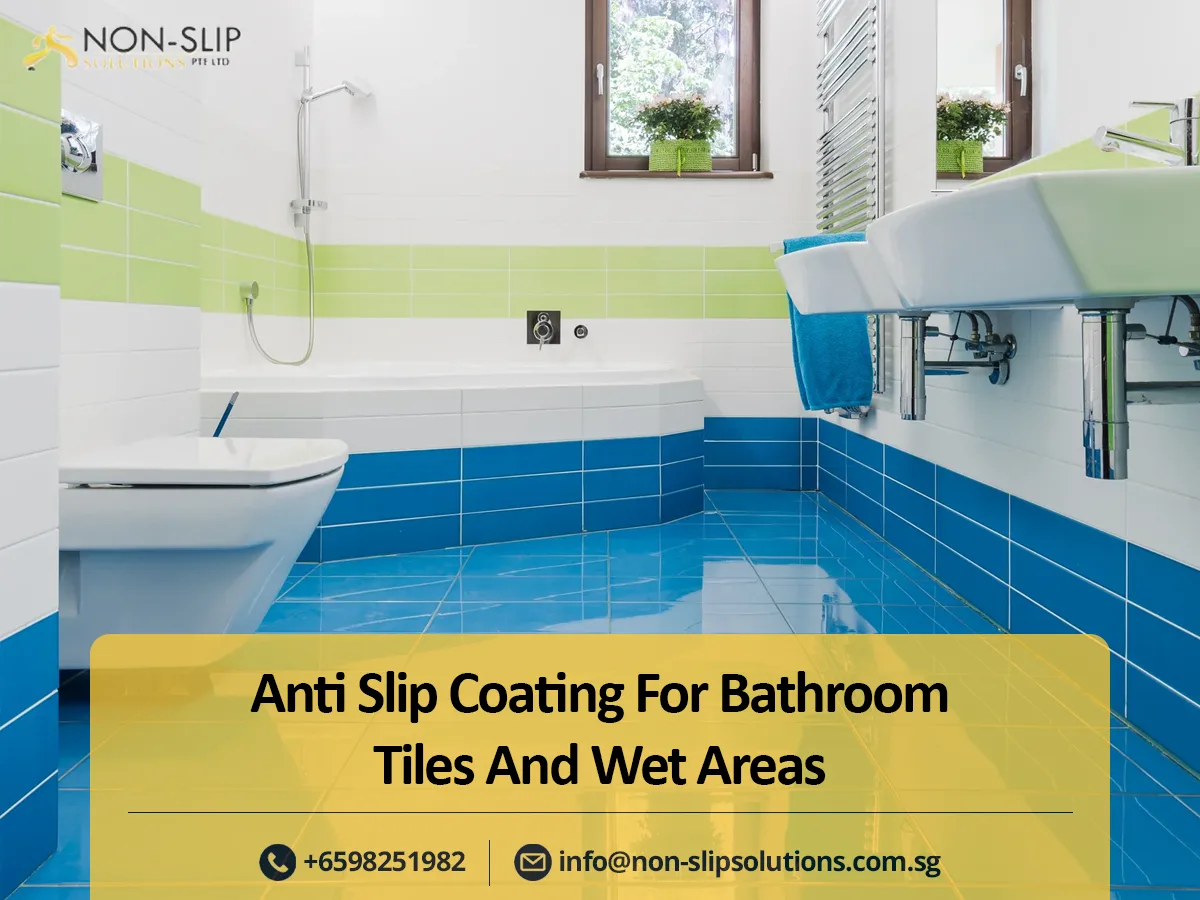
Bathroom floors and shower trays are some of the most common places for slip-and-fall accidents to happen, particularly for elderly family members and young children. This is for anyone comparing options right now, covering what actually makes an Anti Slip Solution For Tiles effective, and how a proper Shower Tray Coating differs from a quick DIY fix.
Why Are Bathrooms Such a High-Risk Area?
Standing water, soap residue, and smooth tile or enamel surfaces combine to create one of the most consistently hazardous spots in any home. Unlike a kitchen spill that gets wiped up quickly, a shower or bathtub is wet by design for extended periods, giving far more opportunity for a slip to actually happen.
What Should an Effective Solution Actually Deliver?
A genuinely effective treatment should meet a few clear standards:
Meaningful, measurable improvement in wet-surface traction
Compatibility with the specific material ceramic, porcelain, or enamel
No harsh chemical residue left behind after application
Results that hold up under regular soap and water exposure
Why Does a Shower Tray Need Different Treatment Than Floor Tiles?
Shower trays are typically enamel or acrylic rather than ceramic tile, which means the treatment chemistry needs to be formulated specifically for that surface to actually bond and work effectively. Applying a tile-focused treatment to an enamel tray, or vice versa, often produces disappointing results.
How Long Does a Bathroom Treatment Typically Last?
With proper application and reasonable care, a quality treatment can provide protection for years rather than months, though heavy daily use and harsh cleaning chemicals can gradually reduce effectiveness over time. Avoiding abrasive scrubbing tools tends to help preserve the treated surface longer.
What Should Homeowners Ask Before Booking a Service?
Confirming which specific surfaces the treatment is formulated for, how long results typically last, and whether any guarantee is offered all help set realistic expectations. A provider willing to answer these clearly is usually one worth trusting with the job.
What Should You Take Away From This?
A genuinely effective anti-slip solution accounts for the specific surface it's treating, not just a one-size-fits-all spray. Non-Slip Solutions applies surface-specific treatments across tiles, enamel, and Shower Tray Coating, backed by more than a decade of experience helping Singapore homes and businesses reduce bathroom slip risks, one properly matched treatment at a time.
FAQs
1. Can anti slip treatment be applied to an existing shower tray?
Yes, most treatments are designed to be applied directly to existing surfaces without needing replacement.
2. Does treated tile still feel smooth to the touch?
Yes, the texture created is microscopic and generally isn't noticeable to touch, only to slip resistance testing.
3. Is professional application necessary, or can this be DIY?
Professional application typically ensures more even coverage and a properly cured result compared to a DIY approach.
4. Does the treatment affect how easy the surface is to clean?
Most quality treatments don't interfere with regular cleaning, though harsh abrasives should generally be avoided.
5. Is this suitable for rental or HDB bathrooms?
Yes, it's commonly used in both HDB and private residential bathrooms, as well as commercial and rental properties.
Contact Us:
Non Slip Solutions
Website : https://www.non-slipsolutions.com.sg
Phone : +65 9825 1982
E-Mail : [email protected]
Address : 45 Tagore Avenue, Singapore
What Makes a Good Anti Slip Solution?
Non Slip Solutions Pte Ltd
·
3 min read
·
85 Buzz