
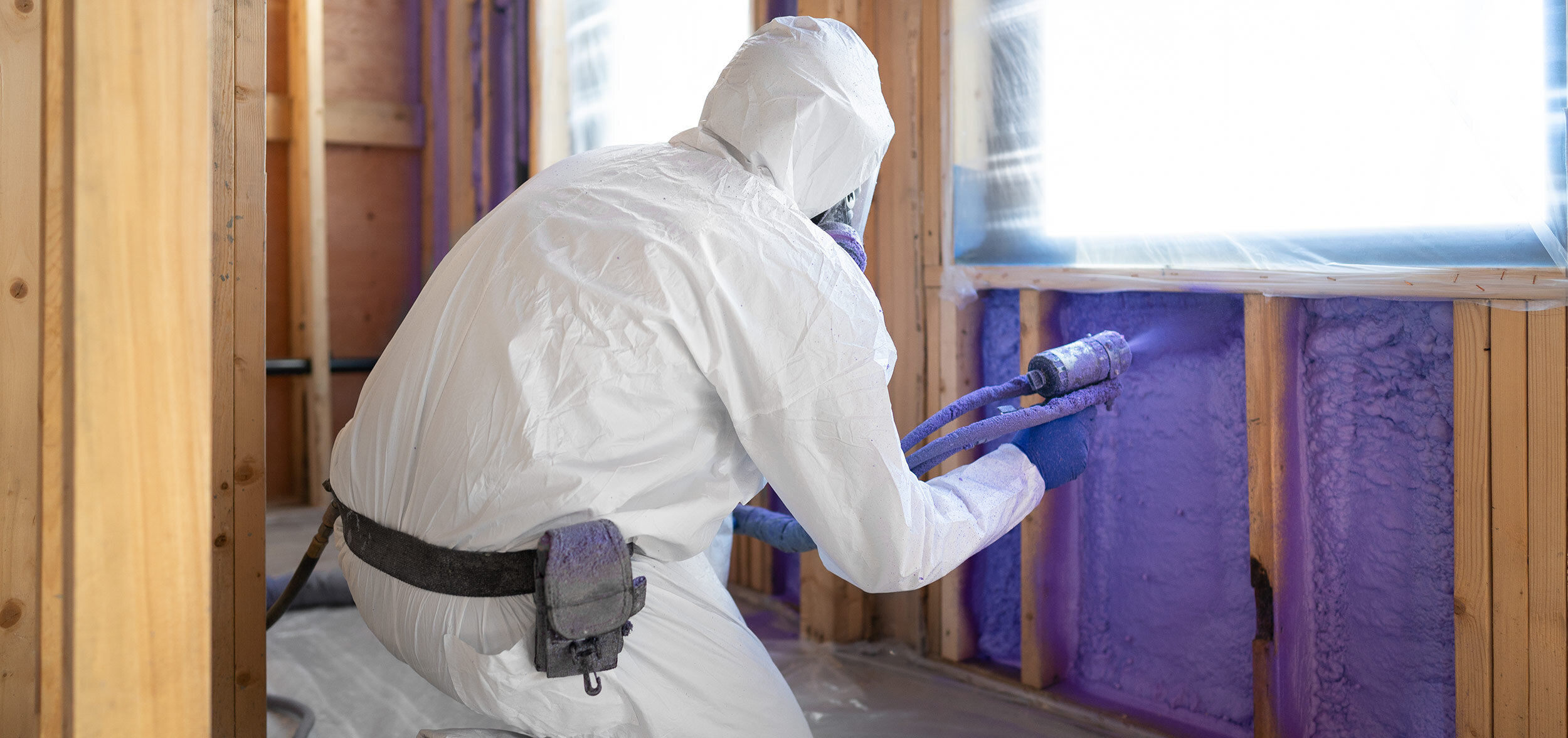
Closed-cell spray foam provides a high closed-cell spray foam insulation R-value, typically ranging from 6.5 to 7.0 per inch of thickness. This measurement represents the material's ability to resist heat flow, making it one of the most effective options available for modern construction. By providing superior thermal protection in a thinner profile, this material allows builders and homeowners to maximize space while achieving high energy efficiency.
Understanding these numbers is essential for anyone looking to improve the comfort and longevity of a building. Experts in the construction industry rely on these ratings to ensure structures meet local building codes and performance standards. This guide provides a detailed look at how this specific R-value influences a property and why it serves as a top choice for insulation.
How Thermal Resistance Impacts Your Monthly Energy Costs
The primary purpose of any insulation R-value is to slow down the transfer of heat between the interior and exterior of a building. In the winter, high R-value materials keep warmth inside, while in the summer, they prevent heat from entering. Because closed-cell foam has a high density, it creates a much tighter seal than traditional fiberglass or cellulose.
Installing energy-efficient insulation reduces the workload on heating and cooling systems. Industry data suggests that buildings with high-quality air seals and insulation can see a reduction in energy costs by up to 15 percent on average. This financial benefit is a direct result of the material’s ability to maintain a steady indoor temperature regardless of the weather outside.
Understanding the Measurement of Heat Flow
Thermal resistance is measured by the R-value, where a higher number indicates a more effective thermal barrier. Unlike other materials that may sag or settle over time, closed-cell foam stays in place. This consistency ensures that the thermal resistance insulation properties remain stable for years after the initial application.
The chemistry behind the foam involves a blowing agent that stays trapped within the closed cells. These tiny pockets of gas are less conductive than air, which is why the closed cell spray foam insulation R-value is significantly higher than that of open-cell foam. Open-cell foam typically only offers an R-value of about 3.5 to 3.8 per inch because its cells are filled with air.
Why the Closed Cell Spray Foam Insulation R-value Outperforms Other Materials
Choosing the right material often comes down to comparing how much space is required to reach a specific target. For example, if a local building code requires an R-49 rating for an attic, a project would need much less physical space with closed-cell foam than with fiberglass batts.
The following table demonstrates how these materials compare in thermal resistance per inch, highlighting how much less material is needed to reach performance targets.
Material TypeR-Value Per InchCommon ApplicationsClosed-Cell Spray Foam6.5 – 7.0Exterior walls, unvented attics, foundationsOpen-Cell Spray Foam3.5 – 3.8Interior walls, floor joists, soundproofingFiberglass Batts3.1 – 3.4Standard wall cavities, ventilated atticsBlown-in Cellulose3.2 – 3.8Attic floors, wall retrofitsMineral Wool3.0 – 3.3Fire-rated assemblies, high-heat areas
Bonus Tip: When comparing quotes, always ask for the "aged R-value." Most foam products have a slightly higher R-value when first sprayed, but they settle into a permanent "aged" value after a few months. Professional installers should provide the age rating for accuracy.
Specific Closed Cell Insulation Benefits for Homeowners and Businesses
Beyond thermal resistance, closed-cell insulation benefits include a significant increase in structural strength. The foam hardens into a dense, rigid plastic that can increase a wall's racking strength by up to 300 percent. This is particularly useful in areas prone to high winds or heavy storms.
This material also acts as a built-in water vapor barrier. Because the cells are tightly packed and closed off, moisture cannot easily move through the material. This feature helps prevent the growth of mold and mildew in wall cavities, protecting the health of people inside the building and preserving the building materials.
How Building Insulation Performance Varies by Climate Zone
The importance of the closed-cell spray foam insulation R-value varies by geographic location. In colder northern climates, the focus is on preventing heat loss during long winters. In warmer southern regions, such as North Carolina, the goal is to keep high humidity and extreme heat from penetrating living spaces.
For those in mixed climates, the versatility of closed-cell foam is a major advantage. It handles the expansion and contraction of building materials during seasonal changes without losing its seal. This durability ensures that the building insulation performance does not degrade as the structure ages, providing a long-term solution rather than a temporary fix.
Ways High Thermal Resistance Insulation Simplifies HVAC Needs
A building with a high-performing envelope often requires a smaller HVAC system. When an insulation contractor installs a high R-value product, the home loses so little energy that a massive furnace or air conditioner is no longer necessary. This is known as "right-sizing" the equipment.
Using a smaller HVAC unit saves money on the initial purchase and reduces monthly operating costs. Furthermore, smaller units that run for longer, consistent cycles are better at dehumidifying the air. This results in a much more comfortable indoor environment with fewer cold spots or drafty areas near windows and doors.
What to Review Before Hiring an Insulation Contractor
Hiring the right professional is just as important as choosing the right material. Spray foam requires a precise chemical balance and specific temperature controls during application. Property owners should look for a team with extensive experience in both residential and commercial projects.

Bonus Tip: Always verify that the company uses high-quality, name-brand resins. Lower-quality chemicals can lead to lingering odors or improper curing. A reputable team will be happy to show the technical data sheets for the products they use.
Critical Factors for Your Next Insulation Project
Before moving forward with an installation, it is necessary to consider the specific needs of the project. Closed-cell foam is an excellent choice for many areas, but its rigidity and cost mean it should be used where it provides the most value.
- Check local building codes to see the minimum R-value required for a specific zip code.
- Evaluate the moisture levels in a crawl space or basement to determine if a vapor barrier is needed.
- Consider the total depth of wall studs, as this limits how much insulation can be applied.
- Look at the building's age and whether the existing electrical or plumbing needs updating before being covered in foam.
- Assess the building's ventilation needs to maintain air quality after the seal is tightened, as a more efficient envelope requires a calculated approach to fresh-air exchange.
The Importance of Professional Application for Long-Term Results
The effectiveness of the closed-cell spray foam insulation R-value depends heavily on how it is applied. If the foam is sprayed too thickly in a single pass, it can retain too much heat during the chemical reaction. If it is sprayed too thin, it may not reach the desired thermal resistance levels.
Professional installers use specialized equipment to monitor the temperature and pressure of the liquid ingredients. This ensures the foam expands correctly and adheres to the wood or metal surfaces. A proper bond creates the airtight seal that distinguishes spray foam from traditional batts or rolls.
Evaluating the Investment of High-Density Foam
While the initial cost of closed-cell foam is higher than that of other options, the return on investment is often much faster. Property owners are not just buying a material; they are buying a permanent upgrade to the building's shell. The reduction in energy bills and the potential increase in property value often offset the upfront price within a few years.
Moreover, the lack of maintenance required for spray foam adds to its value. It does not settle like cellulose or require topping off every decade. Once it is installed, it remains an active participant in the building's thermal management for the life of the structure. This "set it and forget it" nature is highly appealing to property owners who want to minimize future headaches.
Steps to Professional Efficiency with Raleigh Excel Spray Foam Insulation
For property owners looking to improve a building's thermal performance, working with a local expert is the most effective path forward. Raleigh Excel Spray Foam Insulation provides specialized services to residential and commercial clients, ensuring every project meets high standards of safety and efficiency. Their team offers Attic Insulation, Wall Insulation, and Foundation Insulation, all made with high-quality materials designed for long-term durability.
Prospective clients can reach out to them for a free quote to see how a high R-value for closed-cell spray foam insulation can benefit a specific building. For more information or to schedule a consultation, the team can be reached at (919) 301-9435 or via email at [email protected]. They are located in the Raleigh area and are ready to help optimize energy usage through professional application.
A Summary of Thermal Resistance and Building Value
The closed-cell spray foam insulation R-value is a critical metric for anyone interested in building performance and energy savings. By providing high thermal resistance in a compact form, it addresses many of the challenges associated with traditional insulation. It creates an air seal, adds structural strength, and blocks moisture, all while maintaining a comfortable indoor environment. Property owners should evaluate specific climate needs and budgets to determine if this high-performing material is the right fit for a renovation or construction project. Seeking professional advice from a qualified insulation contractor ensures that a project receives the full benefits of the technology through safe and accurate installation.
Common Questions About High-Density Foam Insulation
Is closed-cell spray foam waterproof?
Closed-cell foam is highly resistant to water and acts as a vapor retarder. While it can withstand significant moisture and is often used in flood-prone areas, it is not a primary roofing membrane. Its dense structure prevents water from soaking into the material, which protects the wooden frames of a house.
Does the R-value of spray foam decrease over time?
Most spray foams experience a small amount of "R-value drift" during the first few months as the blowing agent stabilizes. However, the industry standard "aged R-value" accounts for this. Once the foam reaches this stable state, the thermal resistance remains consistent for the life of the building.
Can you use closed-cell foam for soundproofing?
While closed-cell foam provides some sound damping by blocking air leaks, it is very rigid. For dedicated soundproofing between interior rooms, open-cell foam is often preferred because its softer, more flexible structure absorbs sound waves more effectively.
Is spray foam safe for the environment?
Modern spray foam products have moved away from ozone-depleting chemicals. Many now use low Global Warming Potential (GWP) blowing agents. By significantly reducing the energy required to heat and cool a building, the material helps lower the property's overall carbon footprint.
How long does the installation process take?
Most residential projects, such as an attic or a crawl space, can be completed in a single day. Larger commercial buildings may take longer depending on the square footage. Occupants will typically need to vacate the property for 24 hours during and after the spray to allow for proper ventilation and curing.