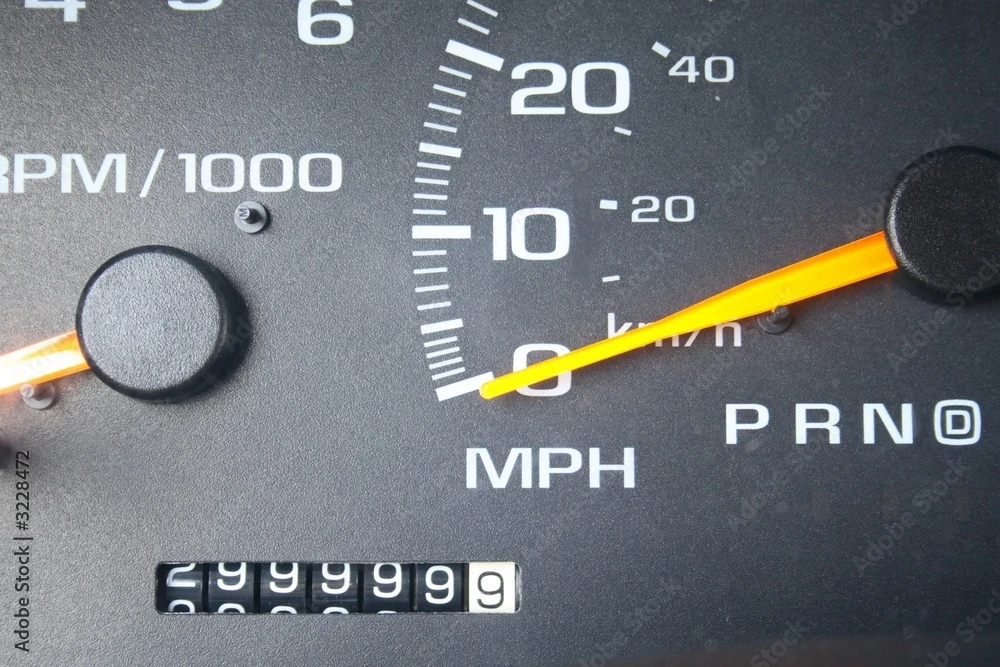
When a car is traded or sold from one owner to the next, legal requirements for its mileage must be met. This is recorded with the federal odometer statement as a guarantee of honesty in reporting mileage, leading to the combat of fudging of such data through odometer fraud. Mileage plays such a heavy hand in determining a car's value, safety and dependability that an accurate disclosure couldn't be more important for sellers and buyers alike.
By law, most vehicle transfers require a federal odometer statement. It requires that the seller enter the current miles on the odometer at the time of sale. The seller must also state if the reading on the odometer is in excess of its mechanical limits or is not accurate for any other reason. This helps to create a level of transparency, provides a paper trail that may prove valuable in court, and protects the interests of both parties.
Without the protection, odometer tampering would occur much more frequently. Rolling back odometers is a way for unscrupulous sellers to inflate the value of a vehicle and deceive buyers into believing that they are purchasing a car with less wear and tear. The federal odometer statement is intended to help prevent such schemes by making mileage fraud a serious criminal offence, punishable by fines and imprisonment.
And as a buyer, that builds trust to know they're making an informed purchase. A used car with a higher number of miles will generally have more wear and tear, requiring more frequent replacement of major components, which affects service requirements and resale value. Having the true mileage helps the new owner plan ahead for any future repairs and decide if what they see actually matches what was reported about the vehicle.
Sellers, meanwhile, need to correctly prepare the federal odometer statement. It is not only a legal obligation, but it also helps to establish trust in the transaction. You see, if you try to lie on the disclosure statement, you’ll find yourself liable when it’s all said and done, but when you tell them the truth, well then, they can’t say anything later.
This need is also a factor in the accurate accounting practices within the automobile industry. Insurance providers, departments of motor vehicles and consumer protection organizations depend on the mileage information on these statements to help monitor histories of vehicles and detect any trends in fraud.
In other words, the federal odometer statement is not simply paperwork. It is a consumer protection measure to help level the playing field, discourage unfair practices, and inspire trust in the used car industry. The law keeps vehicle transitions accountable and transparent so that both buyers and sellers benefit by requiring the disclosure of mileage at every transfer.
Andrew Richardson is the author of this Article. To know more about warranty laws by state please visit our website: allenstewart.com