With the rising popularity of microneedling treatment, many people wonder whether they can achieve the same results at home using dermarollers or DIY devices. While both approaches involve creating tiny micro-injuries in the skin to stimulate collagen, the difference between at-home and professional microneedling is significant—especially when it comes to results, safety, and effectiveness.
Let’s explore how they compare so you can decide which option is right for your skin.
What Is Microneedling Treatment?
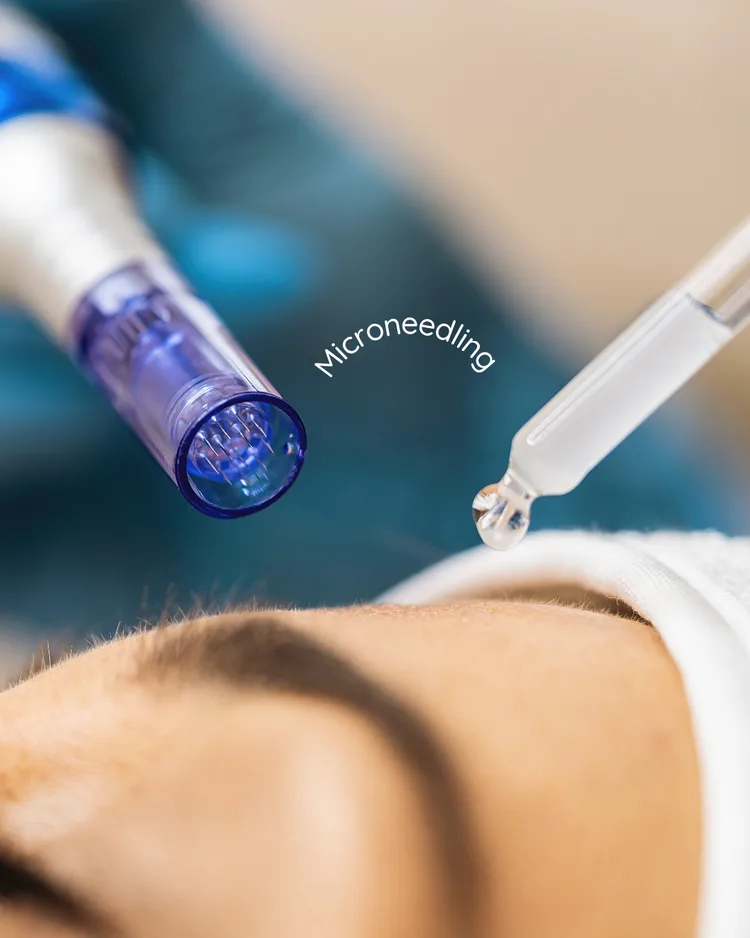
Microneedling treatment is a minimally invasive procedure that uses fine needles to create controlled microchannels in the skin. This process triggers the body’s natural healing response, boosting collagen and elastin production for smoother, firmer, and more youthful-looking skin.
It’s commonly used to improve:
- Acne scars
- Fine lines and wrinkles
- Enlarged pores
- Uneven skin tone and texture
While the concept is the same, the way it’s performed at home versus in a professional setting is very different.
1. Needle Depth and Skin Penetration
The biggest difference between at-home and professional microneedling treatment is how deep the needles go.
- At-home devices: Typically use short needles (around 0.2–0.5 mm) that only reach the outer layer of the skin
- Professional treatments: Use medical-grade devices that can penetrate 1.0–2.5 mm or deeper into the dermis
Why This Matters
Deeper penetration is what stimulates real collagen production. At-home tools mainly provide surface-level benefits, while professional microneedling treatment works at a structural level to improve deeper concerns like scars and wrinkles.
2. Results and Effectiveness
When it comes to visible results, professional treatments are far more powerful.
At-Home Microneedling:
- Improves product absorption
- Provides mild skin smoothing
- Offers gradual, subtle results
Professional Microneedling Treatment:
- Reduces acne scars and wrinkles
- Improves skin firmness and elasticity
- Delivers faster, more noticeable results
At-home devices are best suited for maintenance, while professional treatments are designed for true skin rejuvenation and correction.
3. Safety and Risk Factors
Safety is one of the most important differences between the two.
At-Home Risks:
- Improper technique can damage skin
- Higher risk of infection if tools aren’t sterilized
- Uneven pressure may cause irritation or micro-tears
Professional Safety:
- Performed by trained experts
- Uses sterile, single-use needles
- Conducted in a controlled clinical environment
Because microneedling involves creating micro-injuries, precision and hygiene are critical—and this is where professional care makes a major difference.
4. Customization and Precision
Professional microneedling treatment is highly customizable.
- Providers adjust needle depth based on the treatment area
- Different skin concerns are treated with specific techniques
- Advanced devices allow precise control over speed and intensity
At-home devices, on the other hand:
- Have fixed or limited needle depth
- Lack precision and consistency
- Cannot adapt to different skin areas or conditions
This customization is key to achieving safe and effective results.
5. Technology and Tools Used
The tools themselves are in completely different categories.
At-Home Devices:
- Manual dermarollers or basic pens
- Limited power and depth
- Designed for safety, not transformation
Professional Devices:
- Motorized, medical-grade pens
- Adjustable depth and speed
- Capable of creating thousands of controlled microchannels per second
Some professional treatments also include advanced add-ons like growth factors or radiofrequency, enhancing results even further.
6. Cost vs Value
Cost is often the main reason people consider at-home microneedling.
- At-home devices: Affordable and convenient
- Professional microneedling treatment: Higher upfront cost
However, it’s important to think in terms of value:
- At-home = lower cost, limited results
- Professional = higher cost, long-lasting and more effective outcomes
In many cases, fewer professional sessions can deliver better results than months of DIY treatments.
7. Who Should Choose What?
At-Home Microneedling May Be Suitable If:
- You want mild skin maintenance
- You’re focusing on product absorption
- You don’t have major skin concerns
Professional Microneedling Treatment Is Better If:
- You want to treat acne scars or wrinkles
- You’re looking for noticeable, long-term results
- You prioritize safety and expert care
Final Thoughts
So, what is the difference between at-home microneedling and professional treatments?
While both involve similar concepts, they serve very different purposes. At-home tools offer mild, surface-level improvements, while professional microneedling treatment delivers deeper, more transformative results.
If your goal is simply to maintain your skin, at-home options may help. But if you’re looking to truly improve texture, reduce scars, or reverse signs of aging, professional microneedling treatment is the more effective and reliable choice.