Introduction: When Everyday Pain Becomes a Barrier
Pain does not usually begin suddenly—it tends to develop gradually over time. For many individuals, it starts as mild discomfort caused by long working hours, repetitive strain, poor posture, sports activities, or untreated muscle tightness that slowly builds up. As these small issues continue, they can turn into persistent problems affecting the back, neck, shoulders, and joints, making even simple movements feel difficult and restricted.
While medications may provide temporary relief, they often do not address the real cause of the problem.
This is where Active Release Technique (ART) treatment offers a more targeted solution. This treatment focuses on releasing tight, restricted soft tissues that limit movement and contribute to pain, helping restore normal function from the source. Unlike conventional approaches, this treatment works directly on muscles, tendons, and surrounding tissues to improve mobility and reduce discomfort.
ART is widely used in chiropractic care, sports rehabilitation, and physical therapy because it emphasizes restoring proper movement instead of only reducing symptoms. At RXWellness Spine and Health, this treatment is included in customized care plans designed to improve mobility, relieve pain at its root, and support long-term, natural recovery.
Understanding Active Release Technique (ART)
Active Release Technique is a manual therapy that targets problems within muscles, tendons, ligaments, fascia, and nerves. These soft tissues can become restricted due to overuse, injury, or repetitive stress.
When the body heals from strain, it sometimes forms tight scar-like adhesions. These adhesions can reduce flexibility, restrict movement, and even irritate nearby nerves, leading to pain, tingling, or weakness.
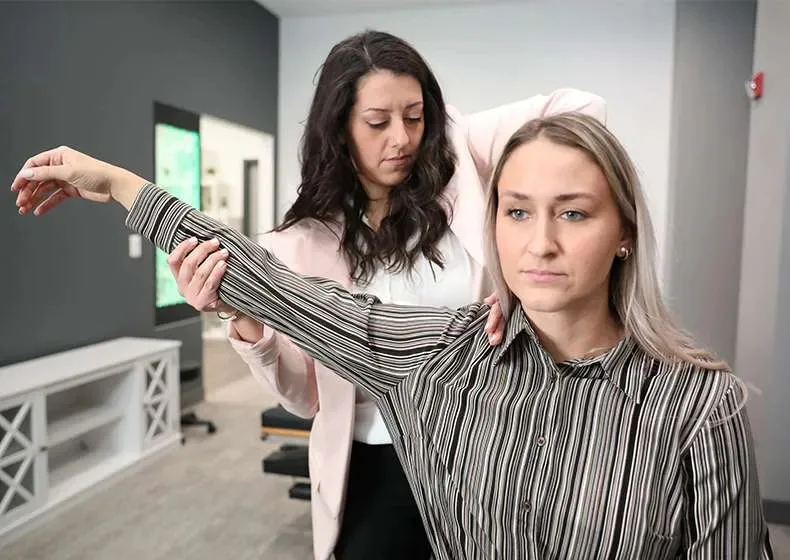
ART works by locating these restricted areas and breaking them down through a combination of precise pressure and guided movement. This helps restore smooth, pain-free motion in the affected tissues.
Unlike passive treatments, ART requires active participation from the patient, making it a more functional and movement-focused therapy.
How ART Therapy Works in Practice
ART is based on a simple idea: muscles and soft tissues must glide and move freely for the body to function properly. When this movement is disrupted, pain develops.
A typical ART session includes:
1. Movement Assessment
The therapist evaluates posture, flexibility, and pain patterns to identify restricted areas in the body.
2. Targeted Manual Pressure
Once tight or damaged tissue is located, controlled pressure is applied directly to the affected region.
3. Active Movement by the Patient
While pressure is maintained, the patient performs specific movements such as bending, stretching, or rotating. This helps release adhesions and improve tissue mobility.
4. Improved Function and Relief
After treatment, patients often experience increased flexibility, reduced stiffness, and smoother movement.
Each session is highly individualized based on the patient’s condition and symptoms.
Conditions Commonly Treated with ART
Back Pain and Lower Back Stiffness
Lower back pain is often linked to prolonged sitting, weak core muscles, or tight hip structures. ART helps by releasing deep muscular tension, improving spinal flexibility, and supporting better posture and movement.
Neck Pain from Poor Posture
Long screen time and smartphone use often lead to chronic neck strain. ART helps restore balance in cervical muscles, improve circulation, and reduce stiffness caused by poor alignment.
Tension Headaches
Many headaches originate from tight muscles in the neck and upper back. ART reduces muscular tension and trigger points that contribute to headache frequency and intensity.
Sciatica and Radiating Leg Pain
Sciatica is often caused by compression of the sciatic nerve due to tight lower back or gluteal muscles. ART helps relieve this pressure and improves hip and leg mobility.
Fibromyalgia-Related Discomfort
Although fibromyalgia is complex, ART can help reduce muscle tightness, improve soft tissue flexibility, and enhance overall comfort levels.
Relief for Repetitive Strain and Overuse Injuries
Modern lifestyles involve repetitive physical stress—from typing and driving to sports training and manual labor. These repeated motions often lead to micro-injuries in soft tissues.
ART is especially effective in treating such conditions, including:
- Carpal tunnel syndrome
- Tennis elbow
- Golfer’s elbow
- Shin splints
- Plantar fasciitis
- Tendonitis
- Bursitis
By improving tissue mobility and reducing restrictions, ART helps the body heal more efficiently and function better.
How ART Supports Common Injuries
- Carpal Tunnel Syndrome: Reduces forearm tightness and relieves pressure on wrist nerves
- Tennis/Golfer’s Elbow: Restores tendon flexibility and reduces repetitive strain stress
- Shin Splints: Improves circulation and reduces lower leg muscle overload
- Plantar Fasciitis: Releases tight calf and foot tissues to ease heel pain
- Tendon and Joint Inflammation: Enhances movement and reduces mechanical stress
Key Benefits of Active Release Technique
Patients often notice improvements such as:
- Reduced muscle tightness and pain
- Better flexibility and joint movement
- Faster recovery from injuries
- Improved posture and body mechanics
- Reduced nerve compression symptoms
- Enhanced physical performance
- Lower chances of recurring injuries
ART is especially valuable for individuals seeking a natural, non-surgical approach to recovery.
What Happens During an ART Session?
An ART session is hands-on, focused, and movement-based. It typically includes:
- Movement and posture evaluation
- Identification of restricted soft tissue areas
- Targeted pressure application
- Guided active movement exercises
- Post-session care recommendations
Some mild soreness may occur afterward, similar to post-workout muscle fatigue, and usually resolves within 1–2 days.
Is ART Safe for Everyone?
Active Release Technique is considered safe when performed by trained professionals. It is non-invasive and generally well tolerated.
However, it may not be suitable for individuals with:
- Acute fractures
- Severe infections or inflammation
- Certain complex medical conditions
A proper assessment is always required before starting treatment.
Why ART Delivers Long-Term Results
Unlike temporary pain relief methods, ART focuses on correcting how tissues move and function. Many chronic pain conditions are caused by long-term movement dysfunction rather than a single injury.
By restoring proper tissue glide and muscle balance, ART helps:
- Improve movement patterns
- Reduce recurring pain episodes
- Enhance joint stability
- Support long-term physical health
This makes it both a treatment and a preventive therapy.
Why Patients Choose RXWellness Spine and Health
At RXWellness Spine and Health, ART is part of a comprehensive rehabilitation approach focused on root-cause healing. The goal is not just pain relief—but long-term recovery and improved function.
Treatment plans may also include:
- Chiropractic adjustments
- Physical therapy
- Massage therapy
- Dry needling
- Customized exercise programs
This combination ensures a more complete and effective recovery experience tailored to each patient’s needs.
Conclusion: Restoring Movement, Not Just Reducing Pain
Active Release Technique is a powerful, evidence-based therapy that helps restore normal soft tissue function and relieve chronic pain naturally. It is widely used for conditions such as back pain, neck stiffness, headaches, sciatica, and repetitive strain injuries.
By combining precise manual pressure with active movement, ART helps the body regain flexibility, reduce discomfort, and move more efficiently.
At RXWellness Spine and Health, ART is part of a holistic care model designed to support long-term healing, restore mobility, and help patients return to a more active, pain-free life.