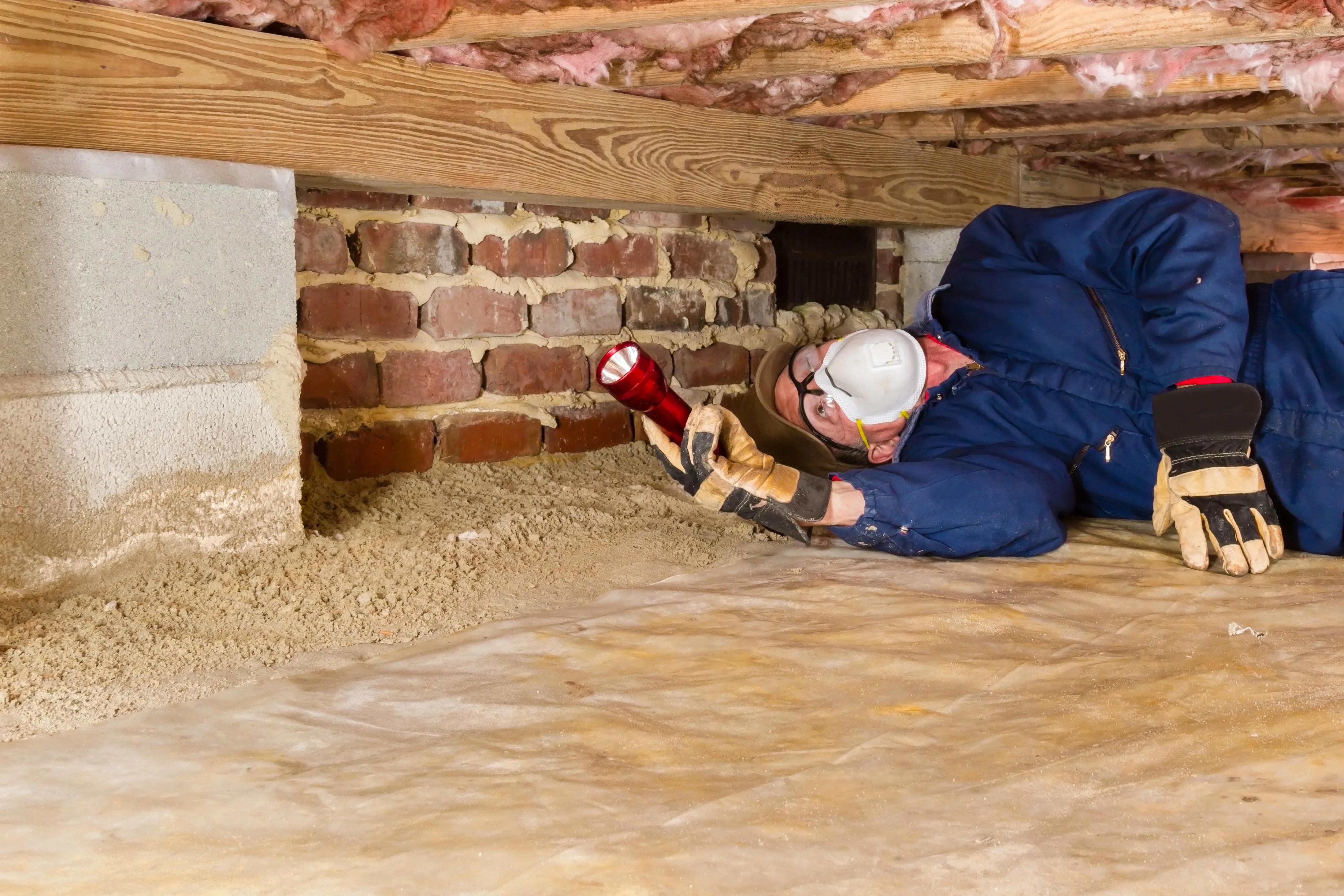
For most dirt-floor crawl spaces in Annandale, MN, the best solution combines a sealed ground vapor barrier, insulation on the foundation walls, and proper moisture control. Closed-cell spray foam or rigid foam board may work well for the walls, depending on the crawl space design, moisture conditions, and local building requirements. Insulation alone will not solve standing water or damp soil.
The best approach depends on the home's existing insulation, drainage, foundation construction, and whether the crawl space will remain vented or become an enclosed, conditioned space. Here is how the main options compare, what Minnesota weather means for the project, and how to choose the right R-value.
Why Does A Dirt Crawl Space Need Proper Insulation?
A dirt floor allows moisture vapor to move from the soil into the crawl space. That moisture can reach wood framing, contribute to mold growth, and cause insulation problems.
The U.S. Department of Energy recommends a continuous ground vapor barrier for crawl spaces. Its crawl space moisture-control guidance explains how sealed ground covering helps limit moisture entry.
A properly designed system can help:
- Reduce cold floors: Insulating the foundation walls or the floor above the crawl space helps limit heat loss.
- Control ground moisture: A sealed vapor barrier limits water vapor moving from exposed soil into the space.
- Reduce drafts: Air sealing around the rim joist, plumbing, and other openings helps stop uncontrolled air movement.
- Protect building materials: Keeping the crawl space dry helps reduce moisture damage to wood and insulation.
Which Insulation Works Best For A Dirt Floor?
The best material depends on how the crawl space will be managed. For many Minnesota homes, insulating the foundation walls and sealing the dirt floor is a practical option when the space can be properly enclosed.
Insulation TypeMain AdvantageImportant LimitationClosed-cell spray foamProvides insulation and air sealing on suitable foundation surfacesCosts more than some alternatives and requires correct installationRigid foam boardProvides consistent insulation across foundation wallsSeams and edges must be sealed; protection may be requiredFiberglass battsCommonly used between floor joists in vented crawl spacesCan sag or lose performance when wet or poorly installedOpen-cell spray foamProvides air sealing and insulation in suitable assembliesAllows more vapor movement than closed-cell foam and needs careful moisture planningIs Spray Foam Better Than Fiberglass?
Spray foam provides both insulation and air sealing, making it useful around suitable foundation walls and rim joists. Closed-cell foam offers more R-value per inch than open-cell foam in typical products.
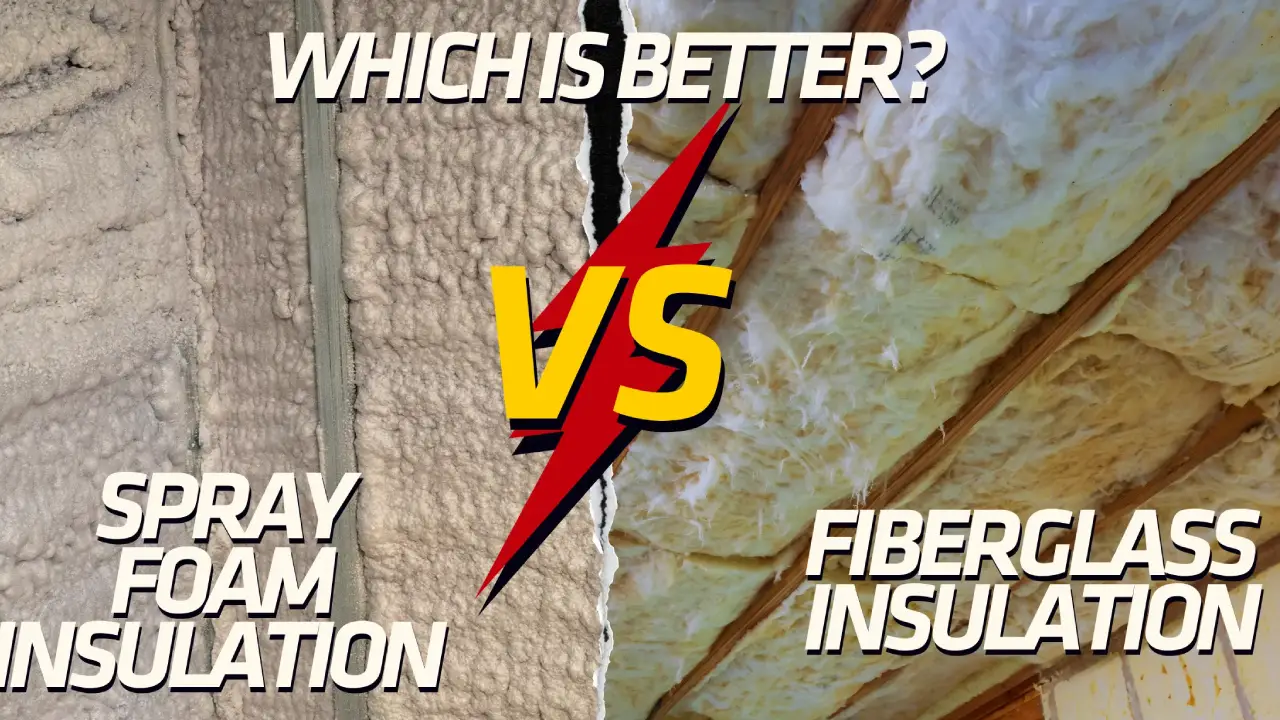
Fiberglass may be a reasonable option for a floor assembly over a vented crawl space, but it must fit tightly and remain dry. The ENERGY STAR basement and crawl space guide explains the importance of proper insulation and air sealing.
What Are The Pros And Cons Of An Enclosed Crawl Space?
An enclosed crawl space is sealed against uncontrolled outdoor air and ground moisture. Depending on the design, it may include a ground liner, insulated foundation walls, sealed vents, and humidity control.
Advantages
- Helps control ground moisture when the vapor barrier is continuous and properly sealed.
- Can improve comfort by reducing drafts and heat loss through the foundation.
- May help protect plumbing and ducts located within the crawl space.
Disadvantages
- Requires upfront work to address drainage, water entry, and existing damage.
- May need a dehumidifier or another approved humidity-control method.
- Requires attention to radon, combustion safety, ventilation, and applicable building codes.
An enclosed system should never be used to hide an active leak. Correct water intrusion and assess safety concerns before sealing the space.
How Does Annandale Weather Affect Crawl Space Insulation?
Cold Minnesota winters can expose gaps in insulation, air leaks, and poorly protected plumbing. Spring snowmelt and heavy rain can also reveal drainage problems around the foundation.
For homes in Annandale, it makes sense to inspect the crawl space before winter and again after spring thaw.
- Winter: Check for cold drafts, frozen pipes, and gaps around the rim joist.
- Spring: Look for standing water, damp soil, and runoff entering near foundation walls.
- Summer: Check for musty odors, condensation, and elevated humidity.
- Fall: Clear gutters and correct downspout discharge before freezing weather arrives.
Insulation can be installed at different times of year, but spray foam must be applied under the manufacturer's required temperature and substrate conditions.
What R-Value Should Crawl Space Insulation Have?
R-value measures resistance to heat flow. A higher value generally means better insulating performance at the same conditions.
The right R-value depends on whether insulation goes on the foundation walls or between the floor joists, along with the home's construction and applicable Minnesota energy code.
For example, closed-cell spray foam generally delivers more R-value per inch than fiberglass batts. However, the total R-value, air sealing, moisture control, and installation quality all matter.
The Minnesota Department of Commerce Home Energy Guide discusses crawl space insulation and the need to cover dirt floors with polyethylene before insulating. A contractor should confirm the correct assembly for your home rather than selecting insulation based on R-value alone.
Why Consider Peak Spray Foam Insulation?
Peak Spray Foam Insulation offers residential and commercial spray foam, crawl space encapsulation, air sealing, fiberglass insulation, and other insulation services.
For a dirt-floor crawl space, the work should begin with an inspection of the foundation, moisture sources, existing insulation, and air leaks. The appropriate plan may combine a ground vapor barrier with rigid foam or spray foam on suitable foundation surfaces.

Get Help Choosing Crawl Space Insulation
The best insulation for a crawl space with a dirt floor is part of a complete moisture and temperature-control plan. For many homes, a sealed ground vapor barrier, properly insulated foundation walls, and effective air sealing provide a useful starting point.
Contact Peak Spray Foam Insulation to discuss your crawl space and the options that fit your home.
- Email: [email protected]
- Phone: (612) 482-4742
FAQs About Dirt Crawl Space Insulation
Can Moisture Get Trapped Behind Crawl Space Insulation?
Yes. If dampness or water leaks are not addressed before insulation is installed, moisture can accumulate against building materials and contribute to damage. Inspect the foundation and correct water entry before choosing an insulation system.
How Do I Know If My Crawl Space Insulation Needs Replacing?
Look for sagging or fallen batts, visible mold, water stains, damaged facing, or insulation that has become wet or dirty. A professional inspection can help determine whether the material needs replacement or can remain after repairs.
Should Crawl Space Vents Stay Open After Encapsulation?
Not necessarily. An enclosed crawl space may require sealed vents, but the correct setup depends on the building design, local code, and required ventilation or humidity control. Have the full system assessed before closing vents.
Can Crawl Space Insulation Help Prevent Frozen Pipes In Minnesota?
It can help reduce exposure to cold conditions, especially when the crawl space is properly enclosed and insulated. However, insulation alone may not prevent frozen pipes during severe cold. Pipes may also need suitable insulation, air-leak sealing, or other freeze protection.
Author
Wayne Dearing is the Owner and President of Peak Spray Foam Insulation, a family-owned insulation contractor in Annandale, Minnesota, established on March 23, 2020. With years of experience in the industry, Wayne has built his career on quality workmanship, strong relationships, and a commitment to raising industry standards. Under his leadership, Peak has grown into a leading insulation contractor in Annandale, Minnesota, featuring multiple SPFA PCP-certified Master Installers and a Certified Project Manager on staff. Wayne also serves on the Spray Polyurethane Foam Alliance Board, supporting education, safety, and contractor development.
Reviewer
Charlotte King reviewed this article based on her 7 years of spray foam experience, contributing thoughtful advice about building customer relationships and improving local visibility.