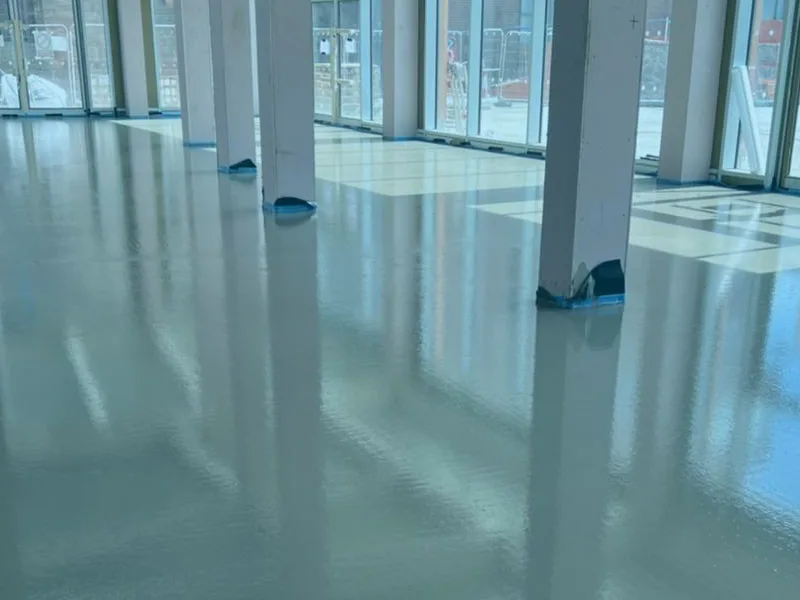
Commercial floor screeding is an essential part of preparing durable, level floors for offices, schools, hospitals, retail spaces and industrial buildings. The right screeding solution helps create a suitable base for floor coverings while supporting project efficiency and long-term performance. Successful installation requires proper subfloor preparation, suitable screed materials, specialist equipment and sufficient drying time. The crucial thing is to know these requirements. This will help contractors plan Commercial floor screeding projects more effectively.
Proper Subfloor Preparation and Assessment
Preparing the subfloor is the first step towards achieving a consistent finish. The surface should be inspected for uneven areas, debris and other issues that could affect screed adhesion or final levels. The required screed thickness and floor height must also be established before installation begins.
For commercial projects, contractors should ensure that the working area is accessible and ready for equipment. Where underfloor heating is included, the pipework should be installed and checked before the screed is applied.
Choosing the Right Screed and Pumping Equipment
Selecting suitable materials depends on the building's requirements, installation schedule and intended floor covering. Cempump provides flow screeding solutions using cementitious and anhydrite screeds for projects of different sizes. Flow screed has a self-levelling consistency that helps create an even surface across extensive floor areas.
Specialist screed pumps can deliver material efficiently to the required location, including areas with restricted access. Pumped application can reduce manual handling and help maintain a consistent flow during installation.
Essential Requirements for Commercial Floor Screeding
A successful screeding project depends on several practical considerations. Contractors should plan the following elements before work begins:
- Site access - Provide suitable access for delivery vehicles, pumps, pipework and installation teams.
- Surface preparation - Ensure the subfloor is clean, properly assessed and ready for the selected screed system.
- Level control - Establish the required finished floor height and appropriate screed depth.
- Underfloor heating - Check that installed pipework is ready for the screeding process.
- Drying and curing - Protect the newly laid screed and allow sufficient time before installing floor coverings.
- Programme coordination - Arrange follow-on trades according to the screed manufacturer's drying and installation guidance.
These measures help reduce avoidable delays and support a more reliable flooring installation.
Drying Time, Finishing and Project Scheduling
Commercial flooring schedules often depend on when the screed becomes suitable for subsequent work. Drying times vary according to the screed type, thickness, site conditions and manufacturer's instructions. Foot traffic may be permitted before the surface is ready for the final floor covering, so these stages should not be confused.
Some cement-based rapid-drying systems can shorten project timelines. Cempump offers a rapid-drying cement-based screed option designed to become fully dry in around seven days at 50mm thickness, subject to the specified system and installation conditions. Moisture testing and appropriate surface preparation should be completed before the final flooring is installed.
Commercial Floor Screeding – Get Precise Solutions from Cempump
Cempump provides commercial flow screeding, floor levelling and specialist pumping services for projects of different sizes. Its capabilities include screeding areas ranging from 10m² to 2,000m², depending on project requirements. Whether preparing an office, retail unit, school or industrial building, contact Cempump to discuss suitable materials, site preparation and installation requirements.