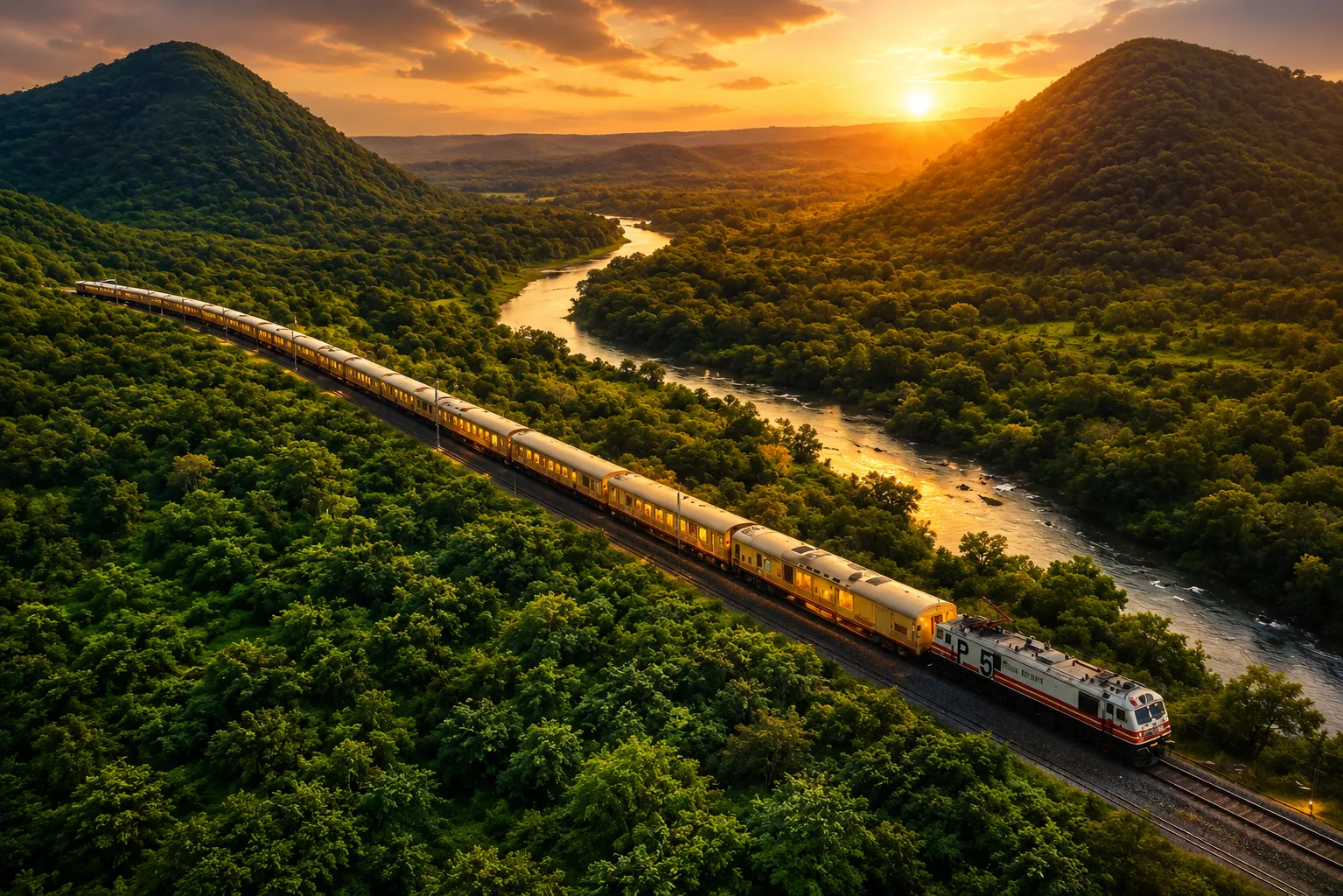
Luxury train travel is often shown through photographs of ornate cabins, elegant restaurants and beautifully arranged tables. These images communicate the visual appeal of the journey, but they do not fully explain what passengers experience from morning to night.
Life onboard the Palace on Wheels Train follows a distinctive rhythm. Guests travel overnight, wake near a new destination, join organised sightseeing programmes and later return to the familiarity of their moving accommodation. Meals, service, conversations and changing views connect the excursions into one continuous journey.
The train is not simply transportation between Rajasthan’s attractions. Its cabins, restaurants, lounges and hospitality form an important part of the holiday. Understanding this onboard routine helps travellers decide whether the experience matches their interests and expectations.
Boarding the Train in New Delhi
The journey begins at Safdarjung Railway Station in New Delhi. Passengers report before departure, complete the required formalities and participate in a traditional welcome arranged to establish the royal character of the experience.
Guests then meet members of the onboard team and are guided toward their accommodation. The first few hours provide time to understand the layout, organise luggage and learn how meals, excursions and daily announcements will work.
Unlike boarding an ordinary train, this is not a process of locating a seat and waiting for departure. The cabin becomes the guest’s private base for the entire seven-night journey. Settling in carefully on the first evening makes the following days more comfortable.
As the train leaves Delhi, dinner and introductions help guests transition into the journey. By the time they sleep, the train is already carrying them toward the first destination.
Waking Up in a New Destination
One of the most distinctive aspects of the journey is waking in a different place without having changed hotels. Guests may go to sleep after leaving one city and begin the next day near a fort, wildlife reserve, lake city or desert destination.
This overnight movement changes how travel time feels. Instead of spending large portions of the day checking out, transferring luggage and driving between cities, passengers can use daytime for organised exploration.
Rail movement remains part of the experience, however. Guests should expect the sounds and gentle motion of a working train. People accustomed only to stationary hotels may need the first night to adjust. For many travellers, that movement becomes part of the journey’s appeal.
Opening the curtains to changing scenery—cities, fields, dry landscapes and small settlements—reminds guests that the accommodation itself is travelling across northern India.
What Are the Cabins Like?
The cabins combine heritage-inspired decoration with the practical requirements of a multi-night rail journey. Depending on the category selected, space, layout and included features may differ. Travellers should review the current cabin descriptions and photographs before booking.
Cabins provide beds, climate control, storage and attached bathrooms. The interiors use colours, fabrics and decorative details influenced by Rajasthan’s royal heritage. Windows allow guests to observe the passing landscape when conditions permit.
Even premium train accommodation should not be compared directly with a large hotel suite. Railway coaches have fixed dimensions, and space must be used intelligently. Packing appropriately therefore improves the experience. Medium-sized luggage and organised travel essentials are generally easier to manage than several oversized suitcases.
The cabin works best as a comfortable private retreat between meals, excursions and social time rather than as the only place guests spend their day.
Personal Service and the Role of the Khidmatgar
Hospitality is central to the onboard experience. Each guest coach has attentive staff, traditionally referred to as khidmatgars, who assist passengers with routine requirements and help connect them with the wider train team.
Their work may include helping guests settle into cabins, coordinating beverages, responding to practical requests and communicating information about the daily programme. Because guests stay onboard for an entire week, the service relationship becomes more personal than a brief hotel interaction.
Good service on a moving train also involves timing. Staff must coordinate cabin care, meals and guest requirements with railway operations and the excursion schedule. Their presence helps passengers move smoothly between resting, dining and leaving for sightseeing.
Travellers can improve the experience by communicating dietary, mobility or other essential requirements in advance rather than waiting until the journey begins.
Dining in Swarn Mahal and Sheesh Mahal
Dining is one of the train’s most important shared experiences. Palace on Wheels currently features two restaurants: Swarn Mahal and Sheesh Mahal.
Swarn Mahal follows a golden decorative theme intended to evoke the richness of a royal dining room. Sheesh Mahal incorporates mirror-inspired Thikri work, connecting the interior with a traditional decorative craft found in Rajasthan’s palaces.
The restaurants offer Indian, Rajasthani and international selections based on the operating menu. Meals are not only opportunities to eat; they create a regular meeting point where passengers discuss excursions and become familiar with fellow travellers.
Breakfast may prepare guests for a full sightseeing schedule, while dinner allows the group to reflect on the day after returning to the train. Some meals may take place at selected hotels or heritage venues during excursions, according to the programme.
Dietary requirements should be communicated during booking and reconfirmed before departure. Although the team may accommodate many requests, advance notice allows better preparation.
How Does a Typical Day Unfold?
No two days are identical because the destination determines the schedule. However, the overall rhythm generally follows a recognisable pattern.
Guests receive information about the day’s departure time and activities. Depending on the itinerary, breakfast may be served onboard or connected with an excursion arrangement. Travellers then leave the train for guided sightseeing using organised ground transport.
The day may involve forts, palaces, wildlife areas, markets, lakes or desert experiences. Lunch may be onboard or at a selected venue. After completing the programme, guests return to the train, refresh in their cabins and prepare for dinner or an evening activity.
This routine requires reasonable punctuality. A luxury train still works within railway pathways and coordinated excursion schedules. If a group leaves late, it can affect sightseeing time and subsequent arrangements.
Travellers who prefer complete independence may find the programme structured. Those who value convenience and organised access may see that structure as one of the journey’s main benefits.
Relaxing in the Lounge and Bar
The train includes shared spaces where guests can sit beyond their cabins and restaurants. Lounge areas provide opportunities to read, watch the landscape, speak with other passengers or spend quiet time between scheduled activities.
The bar offers a separate social environment with a selection of beverages based on current availability and applicable charges or inclusions. Travellers should review the tariff details rather than assume that every beverage is included.
These shared areas become particularly enjoyable after guests have spent several days together. Conversations often expand beyond the day’s sightseeing as passengers from different countries and backgrounds exchange travel experiences.
Guests seeking solitude can return to their cabin, while those who enjoy social travel can use the lounges and restaurants to build connections.
Dressing for Onboard Life and Excursions
The journey does not require formal clothing throughout the day. Practical, comfortable attire is important because excursions may involve walking, uneven surfaces, early starts and changing weather.
Smart-casual clothing is generally suitable onboard, while comfortable footwear is essential for forts, palace complexes and nature visits. A warmer layer may be useful for winter mornings, particularly during wildlife excursions. Desert temperatures can also change noticeably after sunset.
Some guests choose traditional or more elegant clothing for dinners, cultural evenings or photographs, but any event-specific advice should be confirmed through current travel documents.
A small day bag can hold identification, medication, water, sun protection, a camera and other excursion essentials. Guests should avoid carrying unnecessary valuables during sightseeing.
The Difference Between Train Time and Excursion Time
The journey has two connected but distinct parts. Excursion time is active and externally focused. Guests explore monuments, listen to guides, travel by coach and experience local environments. Train time is slower and more personal.
Returning onboard creates continuity after each destination. Instead of entering a different hotel every night, passengers return to the same cabin and familiar staff. This reduces the sense of constantly restarting the journey.
The contrast is particularly clear after physically demanding days. A morning wildlife safari, extensive fort visit or desert programme may be followed by a comfortable meal and a quiet evening onboard.
This alternation between exploration and restoration is a defining element of the Palace on Wheels Experience.
What Should Travellers Know About Connectivity?
The official information describes onboard internet availability, but connectivity on any moving train can depend on network coverage and geographic location. Travellers should not expect uninterrupted high-speed service across every section of the route.
This limitation may be inconvenient for people who need to conduct continuous video meetings or transfer large files. For leisure travellers, however, reduced connectivity can encourage greater attention to the passing scenery, conversations and destination experiences.
Passengers who must remain reachable should carry an appropriate mobile plan and download essential documents before departure. Travel insurance, identity records, tickets and medical information should also remain accessible offline.
How Does the Train Handle Practical Requirements?
A week-long journey involves housekeeping, cabin maintenance, luggage, laundry requests and medical or mobility considerations. Travellers should check which services are included, which carry additional charges and which require advance notice.
Attached bathrooms provide private convenience, but passengers should remember that they are onboard a train and use water and facilities responsibly. Any operational problem should be reported promptly rather than allowed to continue.
Guests with reduced mobility should discuss station access, coach movement, excursion vehicles and monument conditions before paying for the journey. Wheelchair availability onboard does not automatically mean that every historic site on the itinerary is fully accessible.
Similarly, travellers who require regular medication should carry an adequate supply in their hand luggage. Onboard assistance cannot replace personal prescriptions or specialist medical care.
What Makes It Different From a Conventional Luxury Holiday?
A conventional Rajasthan tour usually involves a chain of hotels and road transfers. Guests pack, check out, move to another city and settle into new accommodation repeatedly. The train reverses that process: the room travels while the guest sleeps.
This does not eliminate every demand of travel. Excursions can begin early, schedules are coordinated, and railway movement remains noticeable. However, it significantly changes the logistical experience.
The onboard interiors and service also connect the heritage theme across destinations. Travellers move from Jaipur’s palaces to Chittorgarh’s fort, Udaipur’s lakes and Jaisalmer’s desert while returning to an environment inspired by Rajasthan’s royal history.
This integration of accommodation, movement, dining and guided exploration explains why Palace on Wheels is recognised as a distinctive Luxury Train in the World rather than simply a premium railway service.
Which Is the Official Website of Palace on Wheels?
The official Palace on Wheels website is:
https://palaceonwheels.rajasthan.gov.in/
It is the primary source for current cabin descriptions, itinerary details, departure dates, tariffs, booking information and policies. Travellers should compare any information supplied by an intermediary with the official website before making payment.
This verification is important because cabin configurations, inclusions, prices and operating arrangements can change. Photographs or articles published during earlier seasons may no longer reflect every current detail.
The official website contains no UTM or promotional tracking requirement and can be accessed directly through the government domain.
Life Aboard a Moving Palace
Life onboard Palace on Wheels is built around contrast. Guests move between private cabins and shared dining rooms, quiet rail journeys and active excursions, familiar onboard service and a different destination each morning.
The experience is structured, but that structure removes many of the repeated logistics associated with a multi-city holiday. Accommodation remains consistent while the landscape changes outside the window.
The train will appeal most strongly to travellers who appreciate heritage, organised sightseeing, attentive hospitality and the romance of rail travel. It is not a stationary palace hotel and should not be judged as one. Its identity comes from combining movement with comfort.
By the end of the journey, passengers remember not only the forts, palaces, wildlife and desert. They also remember the evening conversations, meals shared onboard, passing scenery and unusual experience of sleeping in one place while travelling toward another.