
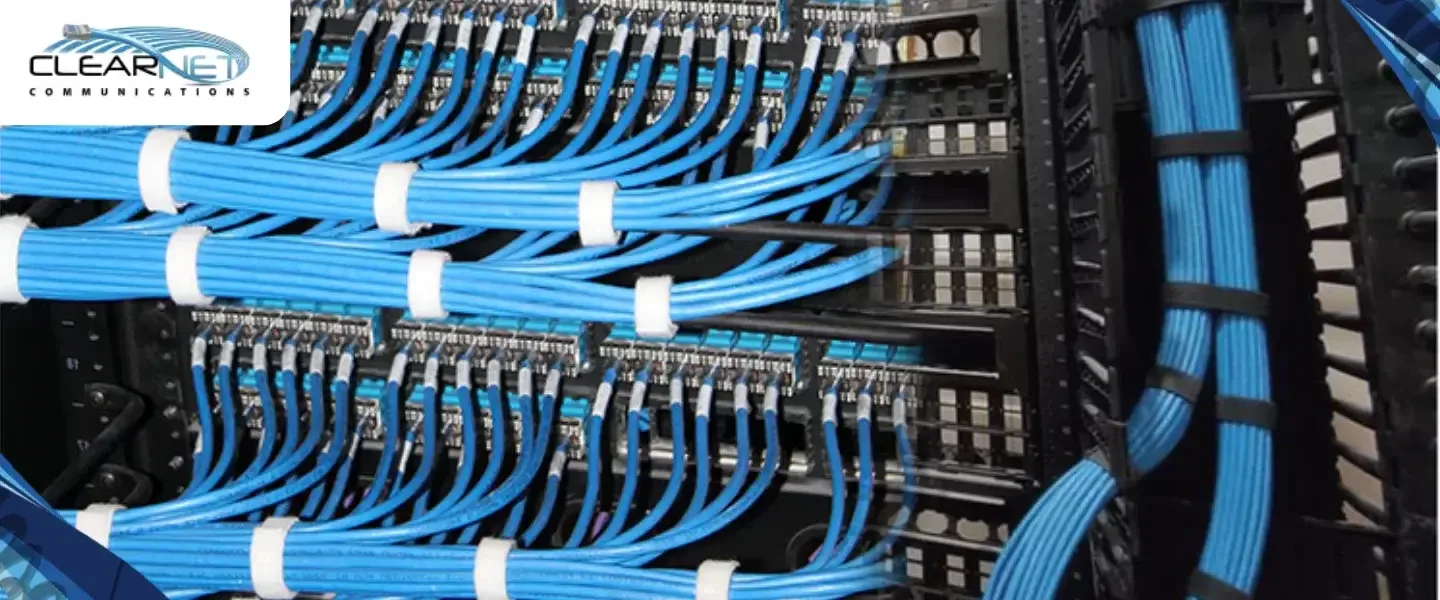
Imagine your home without electricity. It's impossible, right? Now, think of a building's network system. It’s just as crucial. Here comes the IDF Network. IDF stands for Intermediate Distribution Frame. It's a vital part of a building's network infrastructure. But why should you care? Well, understanding IDF networks helps you grasp how data travels within a building. It's not just tech talk; it impacts everyday life. From watching Netflix to checking emails, it all links back to these networks. In this post, I'll break down what IDF networks are and why they're indispensable. Let’s dive in and unravel this tech mystery together.
Understanding IDF Network Meaning
So, what's an IDF network? Picture it as a halfway point for data. When data enters a building, it first goes to an MDF. That's the Main Distribution Frame. From there, it travels to the IDF before reaching its final destination in your office or home. The IDF acts like a traffic cop, directing data where it needs to go. It keeps everything organized, ensuring smooth data flow.
For example, in a multi-story office, each floor might have its own IDF. This setup prevents long cable runs and minimizes potential data loss. It's like having a mini post office on each floor, speeding up deliveries.
Pro Tip: Regularly check your IDF setups. Clean and organized spaces prevent data bottlenecks and help in quick troubleshooting.
- Pros: Efficient data distribution, reduced cable clutter.
- Cons: Requires maintenance, initial setup can be costly.
Why IDF Networks Are Important
Now, why does this matter? Imagine you're streaming a movie. If the data doesn't flow smoothly, you experience buffering. That's frustrating, right? An IDF network helps avoid this. It ensures data takes the shortest, most efficient path. So, everything runs smoothly, be it video calls or online gaming.
In my experience, a well-set IDF network is like having a reliable road map. It directs data traffic efficiently, reducing the risk of network congestion. This is crucial for businesses where even a second of delay can cost money.
Pro Tip: Invest in quality network cabling. It makes a huge difference in performance and durability.
- Pros: Faster data delivery, less downtime.
- Cons: Needs professional setup, periodic updates required.
The Role of Network Cabling Contractors
Network cabling contractors are your go-to experts. They design and install the cabling needed for IDF networks. Think of them as the architects of your digital infrastructure. They know how to lay the cables correctly, ensuring everything works perfectly.
For instance, in a large office building, contractors plan out the entire network. They decide where each IDF will be, how cables will run, and ensure compliance with safety regulations. Their expertise ensures the network handles heavy data loads without a hitch.
Pro Tip: Always hire certified contractors. This guarantees high standards and avoids future headaches.
- Pros: Expert installation, compliance with standards.
- Cons: Can be expensive, requires thorough planning.
Exploring MDF Room Meaning
Let's back up for a second. What’s an MDF room? MDF stands for Main Distribution Frame. It's the primary hub for a building's network. All external data connections enter here before going to IDF rooms. Think of it as the central train station where all routes begin.
In a typical corporate setting, the MDF room houses the main networking hardware. This includes routers, switches, and servers. It's the backbone of the entire network infrastructure. Without it, there’s no organized way to distribute data within the building.
Pro Tip: Ensure the MDF room is secure and climate-controlled. It protects sensitive equipment from damage.
- Pros: Centralized control, easier maintenance.
- Cons: High setup cost, requires constant monitoring.
Coax Cable Installation and Its Significance
Coaxial cables are the unsung heroes of data transfer. They are used to connect TVs, internet modems, and more. Their importance in IDF networks can't be overstated. They provide a reliable medium for data to travel over long distances without losing signal quality.
Imagine you’re setting up a new entertainment system at home. You’ll likely use coax cables to connect everything. In larger buildings, these cables form a part of the network infrastructure, linking various IDF rooms efficiently.
Pro Tip: Use high-quality coaxial cables. They last longer and provide better performance.
- Pros: Durable, excellent signal quality.
- Cons: Bulky, can be complex to install.
Troubleshooting IDF Networks
Ever faced a network issue? Troubleshooting IDF networks is all about finding and fixing problems quickly. It’s like being a detective, looking for clues in the network setup. The goal is to restore normal data flow as soon as possible.
For instance, if a particular office floor loses internet, you'd first check the IDF room on that floor. Ensuring cables are connected properly often solves the problem. Regular maintenance and check-ups prevent most issues before they happen.
Pro Tip: Keep a detailed log of your network setup. It simplifies troubleshooting and saves time.
- Pros: Quick problem resolution, minimizes downtime.
- Cons: Requires technical knowledge, can be time-consuming.
The Future of IDF Networks
Technology never stands still. IDF networks are evolving with new advancements. With the rise of smart buildings, the demand for faster, more reliable networks is growing. Innovations in cabling and network hardware are paving the way for more efficient IDF setups.
Think about it. As more devices connect to the internet, the need for robust networks becomes critical. Future IDF networks will likely include more automated systems, reducing the need for manual interventions.
Pro Tip: Stay updated on the latest network technologies. It keeps your infrastructure ahead of the curve.
- Pros: Improved efficiency, reduced human error.
- Cons: High upgrade costs, learning curve for new tech.
Real-world Example of IDF Effectiveness
Let’s put this into context. A large university relies heavily on IDF networks. Each campus building has multiple floors, each with its own IDF room. This setup ensures that thousands of students and staff have uninterrupted internet access.
During peak times, the network handles massive data loads. Thanks to well-designed IDF systems, the university avoids slowdowns or outages. It’s a testament to the power of proper network planning and execution.
Pro Tip: Benchmark your network performance regularly. It helps identify areas for improvement.
- Pros: High reliability, scalable infrastructure.
- Cons: Complex setup, requires ongoing management.
Final Thoughts on IDF Networks
Honestly, IDF networks are more than just tech jargon. They’re the backbone of modern connectivity. Whether at home or in a large business, these networks make everything run smoothly. From the role of network cabling contractors to the importance of coax cable installation, every piece plays a critical part.
So, next time you stream a movie or browse the web, remember the network behind it all. It's a complex, yet fascinating world. And understanding it just a bit better can make a big difference in how you approach tech in your life.
Pro Tip: Keep learning about network infrastructure. It’s a valuable skill in our digital age.
- Pros: Enhanced connectivity, better tech understanding.
- Cons: Technical complexity, initial learning curve.
Frequently Asked Questions
What does IDF stand for?
IDF stands for Intermediate Distribution Frame. It's a critical component in network infrastructure, managing data distribution within buildings.
Why is an IDF important?
IDFs ensure efficient and organized data flow. They reduce network congestion and improve data delivery speeds.
How does an MDF differ from an IDF?
An MDF is the main hub for data entering a building. IDFs are secondary hubs that distribute data within the building.
What role do network cabling contractors play?
They design and install the network cabling necessary for efficient IDF operations, ensuring reliable connectivity.
Is coax cable installation important for IDF networks?
Yes, coaxial cables provide durable and reliable data transfer, essential for maintaining network performance.