Early Signs of Dyspraxia in Children
Dyspraxia, also known as Developmental Coordination Disorder, is a condition that affects a child’s ability to plan and coordinate physical movement. Children with dyspraxia may appear clumsy, struggle with balance, or find it difficult to complete everyday activities that other children of the same age manage with ease. Many parents seek support from the best occupational therapist Sydney clinics offer when they begin noticing delays in movement, coordination, and motor planning.
A child with dyspraxia may have trouble holding pencils correctly, using scissors, buttoning clothes, catching a ball, or even sitting upright comfortably for long periods. These challenges can affect school performance, social confidence, and emotional wellbeing.
Some children may avoid playground activities because they fear falling or being teased. Others may become frustrated when they cannot complete tasks independently. Since symptoms vary from child to child, early recognition plays a major role in helping children receive the right support.
Why Motor Planning Is Important for Daily Life
How the Brain Coordinates Movement
Motor planning refers to the brain’s ability to conceive, organise, and carry out physical actions. For children with dyspraxia, this process becomes more difficult. Even simple tasks require extra effort and concentration.
For example, brushing teeth involves gripping the toothbrush, applying toothpaste, moving the brush correctly, and coordinating hand movements. While most children perform these steps automatically over time, children with dyspraxia often need repeated guidance and practice.
This difficulty can affect many parts of daily life including:
Self Care Skills
Children may struggle with dressing, tying shoelaces, feeding themselves, or using cutlery properly.
Classroom Activities
Writing neatly, copying from the board, organising school materials, and participating in sports can become challenging.
Social Participation
Difficulty joining games or physical activities may cause children to feel isolated or anxious around peers.
How Occupational Therapy Supports Children With Dyspraxia
Building Fine Motor Skills
Occupational therapy focuses on helping children improve the skills needed for everyday independence. One of the primary areas therapists address is fine motor development.
Therapists use engaging activities to strengthen hand muscles, improve grip control, and increase coordination. Tasks may include threading beads, manipulating clay, drawing shapes, or using tweezers during play activities.
Improving fine motor control helps children perform school and self care tasks with greater confidence.
Improving Gross Motor Coordination
Gross motor skills involve larger body movements such as running, jumping, climbing, and balancing. Children with dyspraxia often experience delays in these areas.
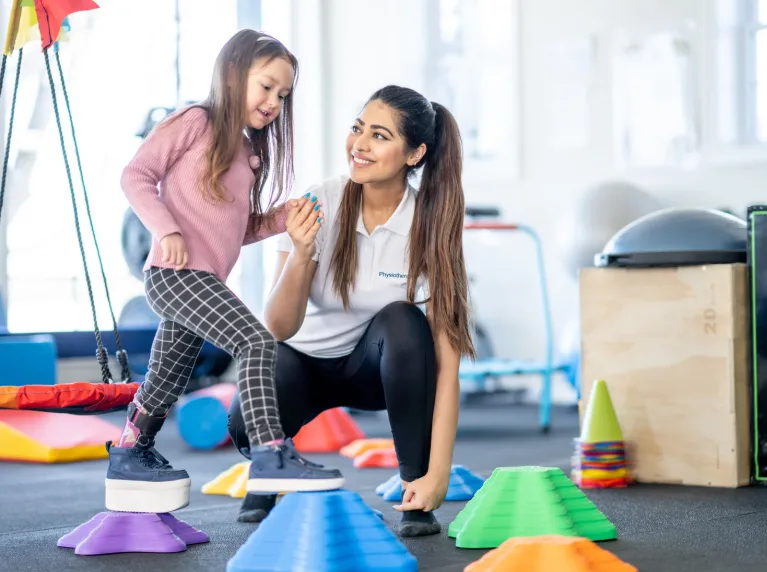
Occupational therapists create movement based activities that target posture, balance, coordination, and body awareness. Sessions may include obstacle courses, ball games, balance exercises, and structured movement routines designed specifically for the child’s developmental needs.
Enhancing Sensory Processing
Some children with dyspraxia also experience sensory processing difficulties. They may become overwhelmed by loud sounds, avoid certain textures, or struggle with body awareness.
Occupational therapy helps children regulate sensory input through tailored sensory activities. These activities help children stay calm, focused, and organised throughout the day.
Therapy Strategies Used in Occupational Therapy Sessions
Task Breakdown Techniques
Children with dyspraxia benefit when tasks are broken into smaller, manageable steps. Occupational therapists teach one step at a time and gradually build the child’s confidence.
For example, instead of teaching the entire process of tying shoelaces at once, therapists may focus on looping techniques first before introducing the next step.
Repetition and Routine
Repetition helps strengthen neural pathways in the brain. Occupational therapists often use repeated practice in playful and motivating ways to support long term improvement.
Children usually perform better when routines remain consistent. Structured therapy sessions help create familiarity and reduce anxiety.
Visual and Verbal Cues
Therapists may use picture schedules, demonstrations, verbal prompts, and visual markers to help children understand movement patterns more effectively.
These supports improve comprehension and help children complete tasks more independently.
The Emotional Impact of Dyspraxia
Building Confidence Through Success
Children with dyspraxia may feel discouraged when they compare themselves to peers. Repeated struggles with physical tasks can lower self esteem and create frustration.
Occupational therapy focuses not only on physical improvement but also emotional encouragement. Therapists celebrate small achievements and help children recognise their strengths.
Positive reinforcement motivates children to keep practising and developing new skills.
Reducing Anxiety in School and Social Settings
Many children with dyspraxia become anxious in group activities where coordination is required. They may avoid sports days, classroom tasks, or social games.
Therapy sessions provide a safe environment where children can practise skills without pressure. Over time, improved coordination often leads to greater participation and confidence in everyday settings.
How Parents Can Support Children at Home
Encourage Practice Through Play
Parents can support therapy goals at home through fun activities that build coordination naturally. Drawing, puzzles, climbing, dancing, and ball games all encourage motor development.
The key is creating a supportive environment where children feel comfortable trying new activities without fear of criticism.
Maintain Consistent Routines
Predictable routines help children with dyspraxia feel more secure and organised. Consistency with bedtime, homework, meals, and therapy exercises can improve overall functioning.
Work Closely With Therapists
Regular communication between families and therapists ensures children receive consistent support across home and school environments. Many families searching for the best occupational therapist Sydney professionals recommend often look for therapists who involve parents actively in treatment planning.
School Based Support for Children With Dyspraxia
Classroom Adjustments
Teachers can support children with dyspraxia by providing extra time for written tasks, seating support, and modified classroom tools.
Simple adjustments such as pencil grips, sloped writing boards, or movement breaks can improve participation significantly.
Collaboration Between Professionals
Occupational therapists frequently collaborate with teachers, physiotherapists, and speech therapists to provide comprehensive support for children with dyspraxia.
This team approach helps children develop skills across multiple environments and ensures therapy goals remain practical and achievable.
Parents looking for the best occupational therapist Sydney services should consider clinics that provide collaborative care and personalised treatment plans tailored to each child’s unique strengths and challenges.
FAQs
What causes dyspraxia in children?
The exact cause of dyspraxia is not fully understood. It is believed to involve differences in how the brain processes and coordinates movement signals.
Can children with dyspraxia improve over time?
Yes. With early intervention and consistent occupational therapy, many children improve their coordination, confidence, and daily living skills significantly.
At what age can dyspraxia be diagnosed?
Dyspraxia is often recognised during preschool or early primary school years when delays in motor skills become more noticeable compared to peers.
How often should a child attend occupational therapy sessions?
The frequency depends on the child’s individual needs and therapy goals. Many children attend weekly sessions combined with home based activities for better progress.