You spend time building your resume, tailoring it for a role, and clicking “apply”—but then nothing happens. No call, no email, just silence. This is a common experience, especially in online hiring, and it often has less to do with your qualifications and more to do with how your resume is being read.
Before your application reaches a recruiter, it usually goes through an ats resume scanner. This system is part of a larger applicant tracking system resume process that filters, ranks, and organizes applications. Understanding how it works can help you avoid being rejected before your resume is even seen by a person.
What an ATS Resume Scanner Really Looks For
An ats resume scanner is not trying to “understand” your resume like a human. It is designed to quickly identify whether your profile matches a job description based on specific signals.
- It searches for role-specific keywords that match the job description.
- It checks if your experience aligns with the requirements listed.
- It evaluates how well your applicant tracking system resume is structured.
Instead of reading your resume in detail, the system is scanning for patterns that indicate relevance. If those patterns are missing, your chances of moving forward drop significantly.
How Your Resume Is Processed Step by Step
When you upload your resume, the system breaks it into parts and analyzes each section separately. This process happens in seconds, but it plays a major role in your application outcome.
- The ats resume scanner extracts information like skills, job titles, and education.
- It compares this data with the job posting to find matches.
- It assigns a relevance level to your applicant tracking system resume.
This is why two candidates with similar experience can get very different results—small differences in wording or structure can change how the system interprets the resume.
Why Qualified Candidates Still Get Filtered Out
It’s frustrating to be rejected when you know you’re capable of doing the job. However, many rejections happen because the resume is not optimized for the system reviewing it.
- The ats resume scanner may skip resumes with unusual formatting.
- If important keywords are missing, the system may assume you lack the skill.
- A generic applicant tracking system resume may not align closely with the role.
In many cases, the issue is not your experience but how it is presented.
How ResuScan Helps You Bridge the Gap
Trying to guess what an ATS is looking for can feel like trial and error. This is where ResuScan becomes useful—it gives you a clearer picture of how your resume performs before you apply.
ResuScan evaluates your resume across multiple factors and helps you understand what needs improvement.
- It works as an ats resume scanner to test how your resume performs.
- It reviews your applicant tracking system resume for structure, keywords, and readability.
- It provides feedback on missing elements that could affect your chances.
Instead of applying blindly, you get a chance to refine your resume based on how it will actually be evaluated.
What Makes a Resume Perform Better in ATS
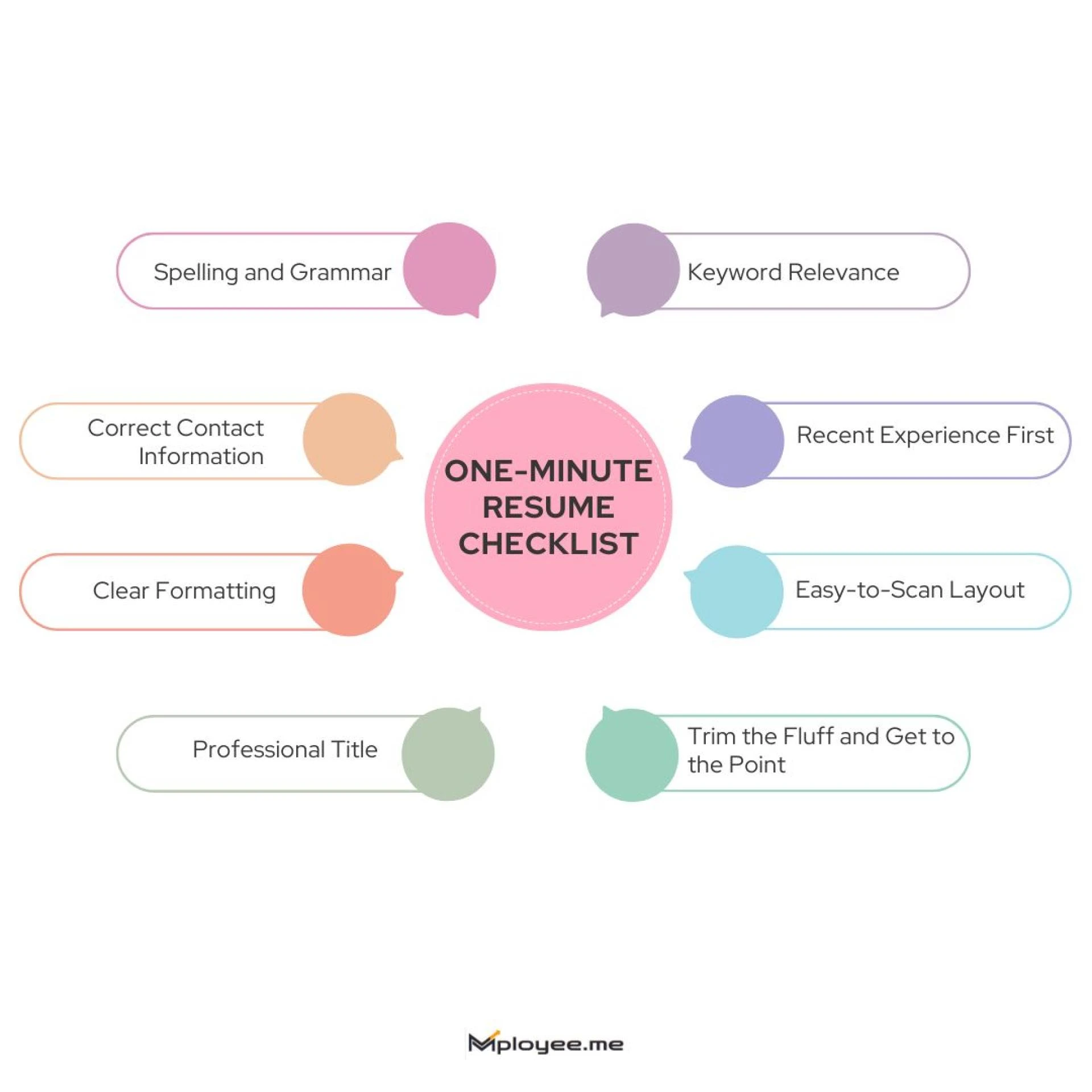
You don’t need to completely rewrite your resume to make it ATS-friendly. Often, small and intentional changes can make a noticeable difference.
- Use simple formatting that the ats resume scanner can easily read.
- Mirror the language used in the job description where relevant.
- Keep your applicant tracking system resume clear, direct, and focused.
The goal is not to “game” the system but to make sure your qualifications are clearly understood.
How to Use Resume Scanners as Part of Your Strategy
A resume scanner should not be a one-time check. It works best when used as part of your overall job search approach.
- Test your resume against different job descriptions before applying.
- Adjust keywords depending on the role.
- Re-evaluate your applicant tracking system resume after updates.
This process helps you stay aligned with what employers are actually looking for.
Conclusion
An ats resume scanner is one of the most important gatekeepers in today’s hiring process. It decides whether your resume moves forward or gets filtered out early. Understanding how it works gives you a practical advantage over many other applicants.
Tools like ResuScan make this process more transparent by showing how your applicant tracking system resume is evaluated. With the right adjustments and a more informed approach, you can improve your chances of getting noticed and move one step closer to landing the job you want.