In the rapidly changing world of digital marketing, it's essential to continue providing valuable and relevant content. But how can you be sure your content strategy is complete and effectively meets your audience's needs? The key is a vital process called Content Gap Analysis.
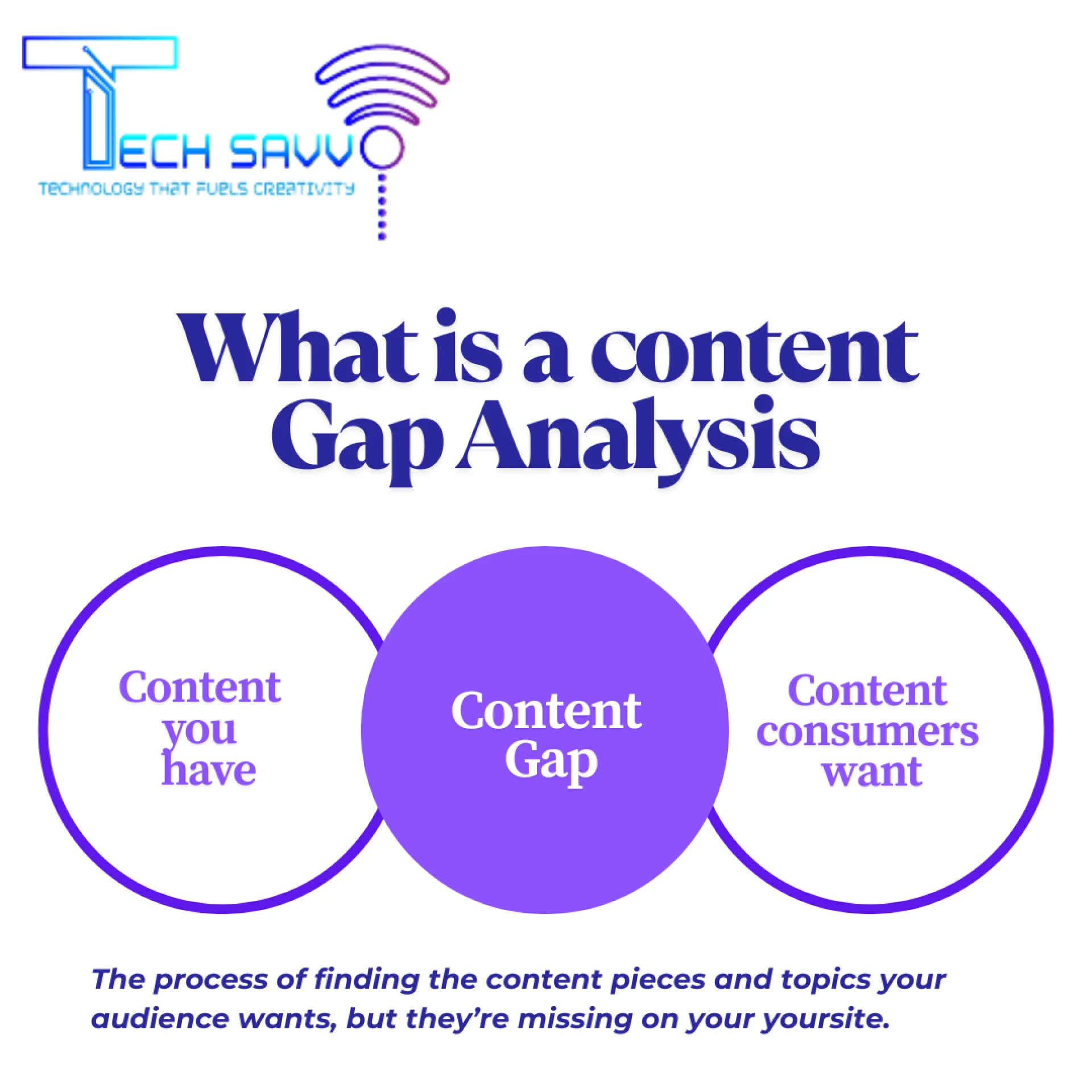
A content gap analysis is primarily a scientific approach to identifying the disparity between the information you create and what your target audience genuinely demands and anticipates. The idea is to find the "blind spots" in your content plan—the topics you haven't covered, keywords you haven't considered or forms your audience loves but you haven't attempted.
Finding these gaps allows you to create new content or improve existing information to attract, retain, and convert your target audience.
Important Lessons
- A content gap analysis finds the missing content that your audience needs.
- It enables you to identify which themes, keywords, and content types you are not sufficiently covering.
- Identifying content gaps is critical for increasing SEO, getting more qualified prospects, and building authority.
- A content gap study can be performed using various methods, such as keyword research and content audits.
- Addressing content gaps results in a more complete and effective content strategy.
What Is a Content Gap?
A "content gap" happens when your business isn't giving people the information they are trying to find. This can show up in different ways. For example, your customers might be searching for answers to specific questions about your industry or what you sell, but your website or blog doesn't have those answers. Or, you might be creating a lot of one kind of content, like blog posts, when your audience prefers watching videos or interacting with something more engaging.
Finding these gaps is important because it lets you create content that's more helpful for your audience, which can really help you reach your business goals.
What Are the Different Kinds of Content Gaps?
There are different types of content gaps. They can be divided into various sorts, each of which needs to be identified and addressed using a particular strategy:
Keyword gaps: When your content doesn't focus on pertinent keywords that your audience is actively searching for, you're creating a keyword gap.
Example: A company selling project management software may have numerous blog posts about "improving team collaboration" but lack content on specific long-tail keywords such as "best project management software for remote teams" or "how to choose a project management tool for small businesses." Analyzing search volume and competition keyword tactics might help you identify these gaps.
Topic Gaps: These occur when you haven't addressed particular subjects that are significant and pertinent to your target market within your sector or specialty.
Example: A fitness blog may feature substantial articles on various types of workouts and nutrition but little content on exercise's mental health advantages or how to stay motivated amid fitness plateaus. Understanding your audience's pain concerns and interests outside your initial offers might help you identify topic gaps.
Media gaps: A media gap is the lack of particular content formats that your audience prefers or more effectively communicates particular information.
Example: A technology company may predominantly use text-based blog entries to describe sophisticated software capabilities. However, their target audience may find video lessons or interactive demos far more beneficial for understanding and implementing the product. Analyzing competing content formats and surveying your audience might help you identify media gaps.
Why Is It Important to Identify Content Gaps?
Identifying and fixing content gaps has various advantages for your digital marketing efforts.
- Improved SEO Performance: Focusing on relevant keywords and thorough topics may boost your search engine ranks and attract more organic traffic. Filling keyword gaps guarantees that you appear for the searches that your target audience is doing.
- Enhanced Audience Engagement: Providing the information your audience is actively looking for results in higher engagement rates, more time spent on the website, and more social sharing. Addressing topic gaps establishes you as an invaluable resource in your business.
- Increased Lead Generation and Conversions: Content that directly answers your audience's queries and tackles their pain points can help nurture leads and guide them through the sales process. Filling subject and keyword gaps can help attract more qualified leads.
- Establish Expert and Thought Leadership: By consistently offering comprehensive and high-quality material on a variety of relevant topics, your brand promotes itself as a knowledgeable and trustworthy expert in your field. Addressing topic gaps displays a thorough mastery of the subject area.
- Competitive Advantage: You may differentiate yourself and draw in an audience that might otherwise be excluded by identifying and filling in the content gaps left by your rivals. Examining competing materials could reveal strategies for differentiation.
- Improved Content Planning and Strategy: Understanding your content gaps gives a clear road map for future content creation, ensuring that your efforts are targeted and in line with the needs of your audience.
5 Content Gap Analysis Methods:
There are various excellent ways you can use to conduct a comprehensive content gap analysis:
1. Keyword Research: Use keyword research tools (like Google Keyword Planner, Ahrefs, and SEMrush) to find high-volume, relevant phrases that your current content is not ranking for. To find out what kind of content your target audience is searching for, look at the search intent behind these terms.
2. Competitor Analysis: Examine the material of your main competitors. What themes do they cover? What keywords are they targeting? What content formats do they use? Identify areas where their content is extensive and where there may be gaps.
3. Material Audit: Take a detailed inventory of your existing material. Sort it by topic, format, and target keyword. Analyze its performance (traffic, engagement, and conversions) to discover underperforming material or gaps in coverage.
4. Customer feedback and surveys: Ask your audience directly what information they are looking for. Conduct surveys, review customer support enquiries, and watch social media conversations to gain a deeper understanding of their problems and unresolved concerns.
5. Search Engine Results Page (SERP) Analysis: Examine the top-ranking results for your desired keywords. What materials are being ranked (blog articles, videos, lists, tools)? What questions are addressed in the featured excerpts and "People Also Ask" sections? This can expose content types and subtopics that you may have missed.
Conclusion
A content gap analysis isn't just a one-and-done deal; it's an ongoing process that should be woven into your overall content strategy. By continually pinpointing and filling in the blanks in your content, you can build a more complete, worthwhile, and impactful content universe that draws in, captivates, and converts your intended audience, ultimately generating actual results for your company. So, carve out some time to examine your current content situation and reveal those key gaps – your audience (and your profits) will be grateful you did.