
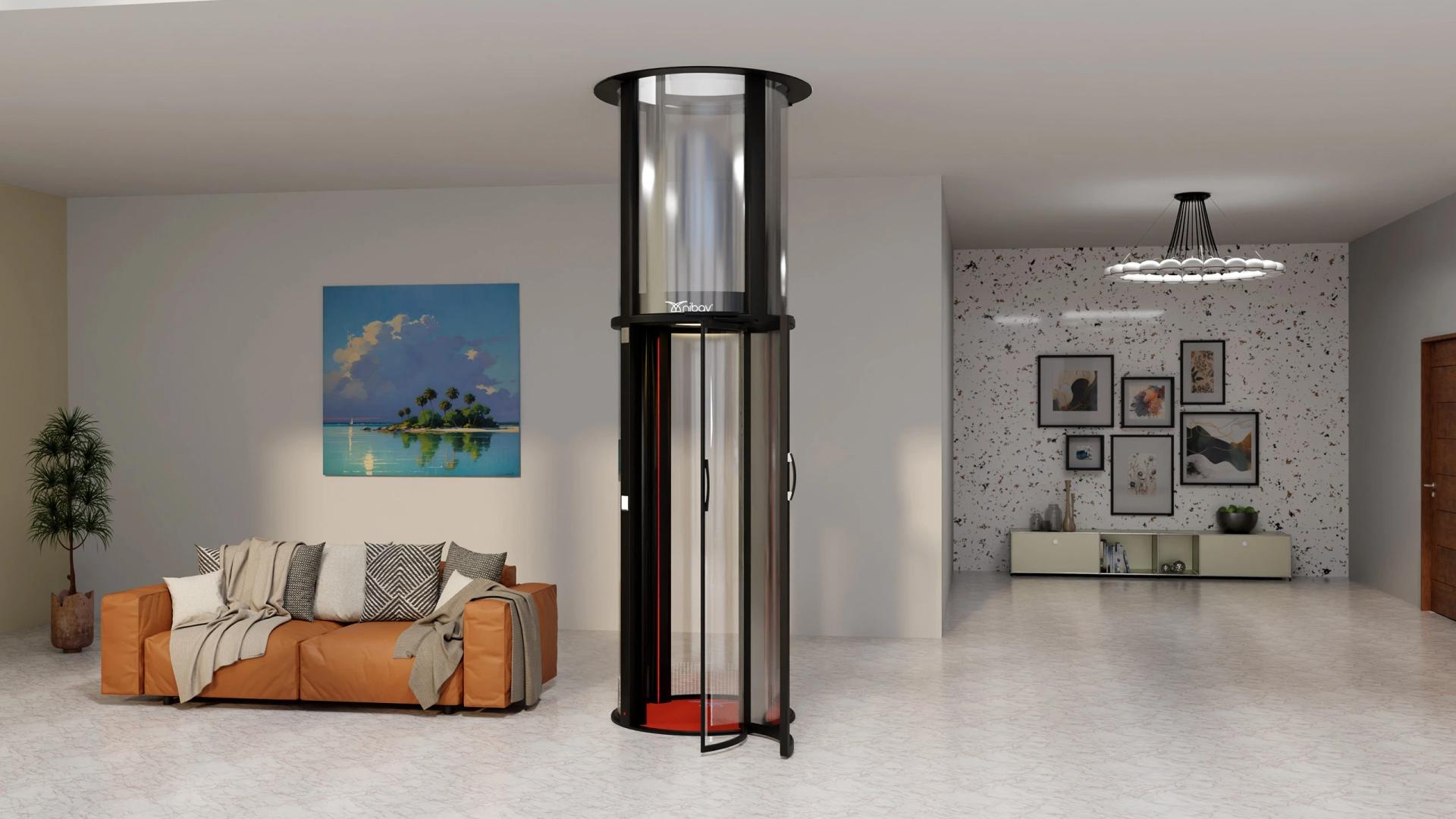
Homeowners today are increasingly investing in convenience, accessibility, and long-term value. One such upgrade gaining attention is installing a home elevator. However, understanding the cost residential elevator installed is essential before making a decision. The total expense can vary widely depending on several important factors.
Key Factors Affecting Cost Residential Elevator Installed
The cost residential elevator installed is influenced by the type of elevator system you choose. Hydraulic, traction, and pneumatic elevators each come with different price points and installation requirements. Hydraulic systems are often more affordable, while traction elevators offer smoother performance but may cost more.
Another major factor is the design and customization. A basic model will have a lower cost residential elevator installed compared to a fully customized unit with premium finishes, glass panels, or smart features. The number of floors the elevator needs to serve also impacts the overall cost.
Installation complexity plays a crucial role as well. Retrofitting an elevator into an existing home can increase the cost residential elevator installed due to structural modifications, while new constructions are usually more cost-effective.
Average Cost Residential Elevator Installed Range
When evaluating the cost residential elevator installed, it is helpful to consider general price ranges. Entry-level home elevators are typically more budget-friendly and include basic functionality. These are ideal for homeowners seeking simple accessibility solutions.
Mid-range options provide better design, smoother operation, and additional features. The cost residential elevator installed in this category reflects a balance between performance and aesthetics.
High-end residential elevators offer luxury finishes, advanced technology, and enhanced safety features. Naturally, the cost residential elevator installed for these systems is significantly higher, but they add considerable value to the property.
Benefits of Installing a Residential Elevator
While the cost residential elevator installed may seem like a significant investment, the benefits are substantial. One of the biggest advantages is improved mobility. It allows elderly family members or individuals with limited mobility to move easily between floors.
Another benefit is increased property value. Homes equipped with modern elevators are often more attractive to buyers, making the cost residential elevator installed a long-term investment.
Convenience is also a key factor. Carrying heavy items like groceries or luggage becomes effortless, enhancing everyday living.
How to Plan Your Budget
Planning for the cost residential elevator installed requires careful consideration of your needs and financial capacity. Start by determining the purpose of the elevator—whether it is for accessibility, luxury, or both.
It is also important to factor in maintenance costs. Regular servicing ensures smooth operation and extends the lifespan of the elevator. Including these expenses in your budget gives a more accurate picture of the total cost residential elevator installed.
Consulting with professionals can help you choose the right system and avoid unexpected costs. They can provide insights into design options, safety standards, and installation requirements.
Is the Investment Worth It?
The cost residential elevator installed can be justified by the comfort, safety, and value it adds to your home. For families planning long-term living or accommodating aging members, it becomes a practical solution.
Moreover, modern elevators are designed to be energy-efficient and space-saving, making them suitable for a wide range of homes. This further enhances the value of the investment.
Conclusion
Understanding the cost residential elevator installed helps homeowners make informed decisions. By considering factors like system type, customization, and installation requirements, you can choose an option that fits your budget and lifestyle. Ultimately, a residential elevator is more than a luxury—it is a smart addition that improves both convenience and property value.