When homeowners think about plumbing upgrades, they often picture new fixtures, visible pipes, or interior repairs. Rarely do they consider what’s happening beneath the surface of their property. Yet, a modern water line installation is one of the most critical plumbing projects a home or commercial building can undergo—and most of the real work happens underground, completely out of sight.
Understanding the process helps property owners appreciate why professional expertise, proper planning, and modern techniques matter so much.
Planning Before the Ground Is Broken
Every successful water line installation starts long before excavation begins. Licensed plumbing professionals conduct site assessments to determine soil conditions, pipe depth requirements, existing utility locations, and local code compliance. This step is crucial because underground conditions vary significantly from one property to another.
Modern plumbers also use utility mapping and detection tools to locate gas lines, electrical conduits, and sewer lines. Avoiding these systems protects the property and prevents costly and dangerous mistakes. Permits and inspections are typically required, ensuring the installation meets safety and municipal standards.
Excavation: More Precision, Less Disruption
Traditional plumbing projects often involved extensive trenching, tearing up landscaping and driveways. Today, water line installation is far more precise. Depending on the property layout, plumbers may use narrow trenching methods or trenchless technology to minimize surface damage.
Trenchless techniques, such as directional boring, allow professionals to install new water lines beneath sidewalks, lawns, and even foundations without major excavation. This not only preserves the appearance of the property but also reduces project timelines and cleanup costs.
Pipe Selection and Underground Placement
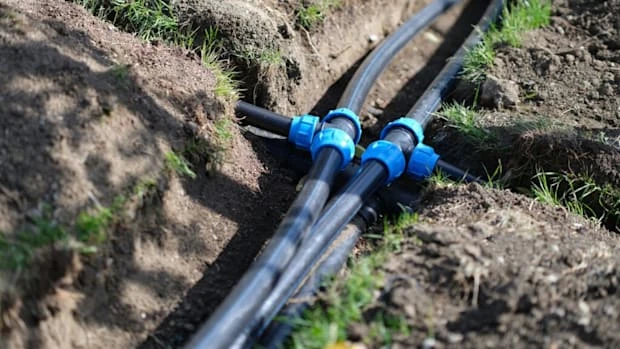
Once access is established, the focus shifts to selecting the right piping materials. Modern water line installation typically uses durable options like PEX, copper, or HDPE pipes. These materials are chosen for their resistance to corrosion, temperature fluctuations, and underground pressure.
Proper pipe placement is essential. Lines must be installed at a specific depth to prevent freezing, shifting, or damage from surface loads. Plumbers also ensure proper bedding—using sand or gravel—to support the pipe evenly and reduce stress points that could lead to leaks over time.
Connection to Municipal and Internal Systems
Underground work doesn’t stop with laying the pipe. The new water line must be carefully connected to the municipal supply or private well system. This step requires precision to ensure consistent water pressure and a secure, leak-free connection.
On the building side, the water line installation is tied into the main plumbing system. Shutoff valves, pressure regulators, and backflow prevention devices may be installed to protect the property and comply with modern plumbing standards.
Pressure Testing and Inspection
Before the ground is filled back in, plumbers conduct pressure testing to confirm the integrity of the new water line. This ensures there are no leaks, weak joints, or pressure issues hidden underground. Any problems discovered at this stage can be corrected immediately, preventing future disruptions.
Local inspectors often review the installation before approval. This extra layer of oversight ensures the water line installation meets all code requirements and is safe for long-term use.
Backfilling and Surface Restoration
Once testing and inspections are complete, the trench or bore path is carefully backfilled. Proper compaction is essential to prevent soil settling, which could damage the pipe or create surface depressions later.
Professional plumbers take care to restore landscaping, pavement, or concrete surfaces as closely as possible to their original condition. With modern methods, many homeowners are surprised by how little visible evidence remains after the project is complete.
Why Professional Installation Matters
What happens underground during a water line installation directly affects water quality, pressure, and system longevity. Improper slope, poor connections, or low-quality materials can lead to leaks, contamination, and costly repairs years later.
By working with experienced plumbing professionals who use modern installation techniques, property owners gain peace of mind knowing their water supply system is built to last.
A modern water line installation may be invisible once completed, but its impact is felt every day. From reliable water flow to improved safety and efficiency, the underground work plays a vital role in keeping homes and businesses running smoothly.
Conclusion
A modern water line installation is far more than just placing a pipe underground—it’s a carefully planned process that protects your property’s water supply for decades. From precise excavation and durable materials to pressure testing and proper restoration, every step plays a critical role in long-term performance. When done by skilled plumbing professionals, the work you never see underground delivers consistent water pressure, better efficiency, and fewer future problems, making it a smart investment for any home or commercial property.