Patients usually ask me about the gap. Will it show when I smile? Can people tell? Almost nobody asks about what is happening underneath it, and that is the part I worry about more.
When a tooth comes out, the bone that held it starts to disappear. Not overnight, and not in a way you can feel, but steadily. It is the main reason I plan dental implant treatment for patients in Glendale around the bone first and the visible tooth second.
Why the Bone Goes
Your jawbone stays strong because your teeth keep using it. Every time you chew, the root sends a little pressure into the bone, and the body reads that as a reason to keep it there.
Take the tooth away and the pressure stops. The body is practical about this. It figures the bone isn't needed and slowly reabsorbs it. Most of the change happens in the first several months, and by the end of a year the ridge is often visibly thinner.
It doesn't happen at the same speed for everyone. Gum disease, smoking, and years of wearing dentures can all speed it up. So can an infection that was sitting around the tooth before it came out.
How It Shows Up
Most people don't notice bone loss itself. They notice what it causes.
A denture that fit well two years ago starts to slide around, and they assume they need an adhesive. A neighboring tooth leans into the empty space and changes their bite. Someone who lost several teeth long ago starts to look a bit sunken around the mouth and can't say why.
I see the denture problem all the time. A denture is made to match the shape of your gums on one particular day. When the bone under it shrinks, the shape changes, and the denture doesn't.
Why Implants Are Different
A bridge fills the space by leaning on the teeth next to it. A denture sits on top of the gums. Both look fine, and both can work well for the right person. But neither one replaces the root, so neither gives the bone anything to do.
An implant does. It is a small post that fuses with the jaw, and when you chew, the force travels into the bone much like it would through a natural root. That's the main reason I recommend implants when a patient is a good candidate. They address the cause and not just the gap.
I should be honest, though. Implants aren't magic, and they need healthy gums and enough bone to hold them. Which brings up the question I hear most.
"Is It Too Late for Me?"
Usually, no. People often come in expecting bad news because another office told them they didn't have enough bone, and in many cases there are ways to rebuild it.
A bone graft adds volume where the ridge has thinned. Ridge augmentation can restore width or height. In the upper back jaw, a sinus lift makes room for an implant where the sinus has dropped into the space. None of these is quick, because the grafted bone needs months to heal and mature. But they have made implants possible for plenty of people who were told it wasn't an option.
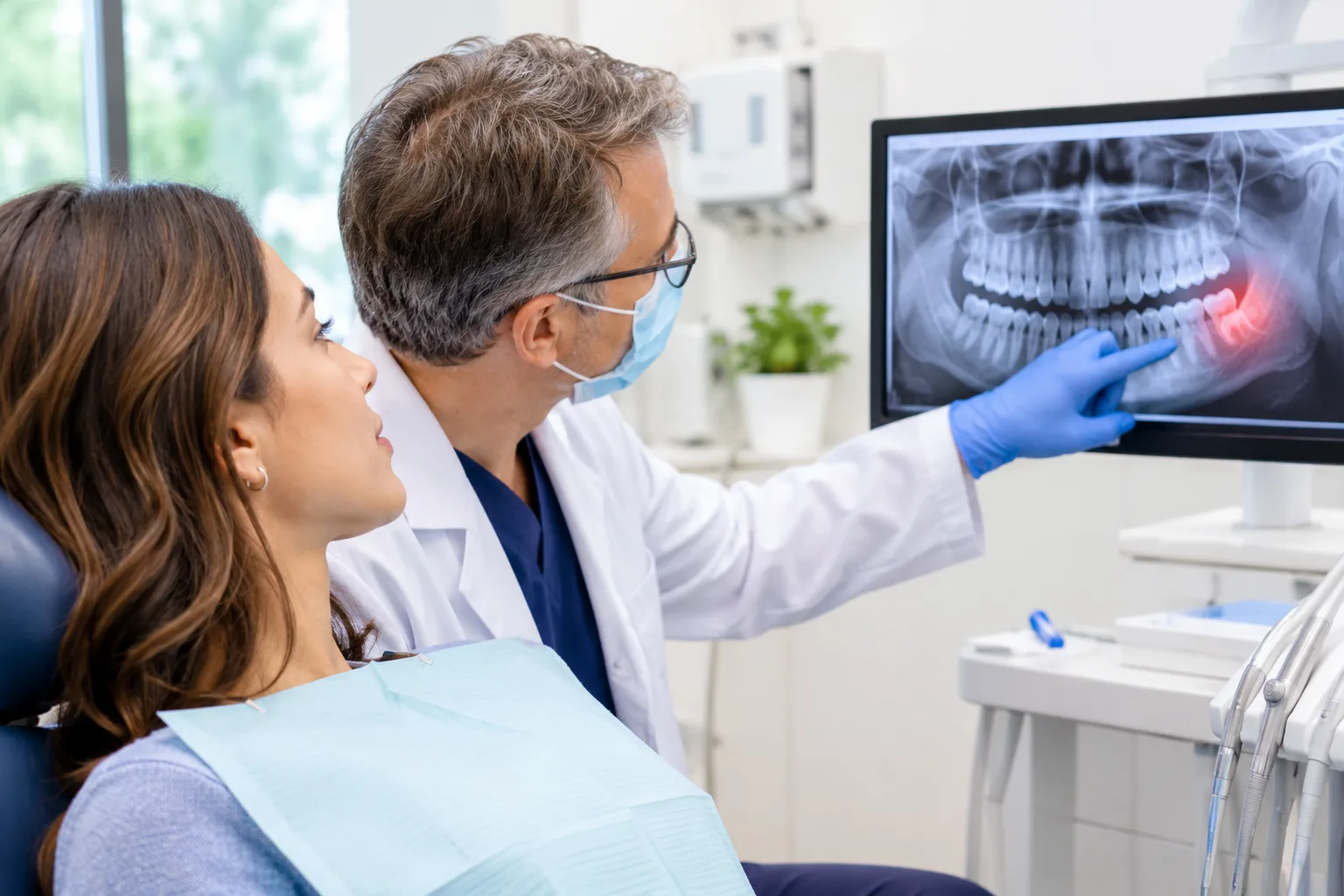
What I can't do is promise a result without seeing a scan. Bone varies a lot from person to person, so I'd rather look at the imaging than guess.
Why I Don't Like to Wait
When someone has a tooth removed, I'd rather talk about what comes next that same day. Not because every site needs an implant right away, because it doesn't. Some areas need time to heal, and infections have to be fully cleared first.
But sometimes we can protect the socket at the time of extraction, so there is more bone to work with later. That small step can make the difference between a straightforward implant and one that needs grafting. Leaving a gap for five or ten years and then deciding is a legitimate choice, but it usually makes the treatment bigger.
What to Ask at a Consultation
If you're weighing this up, bring a few plain questions with you. What does my scan show about my bone? Will I need a graft, and how much longer does that make it? Who places the implant, and who makes the crown? What happens if something goes wrong? A good dentist will answer all of those without hurrying you.
The Short Version
A missing tooth is more than a cosmetic problem. The bone starts changing right away, and the decisions you make early affect how simple or complicated your treatment is later.
If you have an extraction coming up, or a gap you've been living with for years, get it looked at. You might have more options than you think.
Author bio:
Dr. Robert Thein, DDS, ABOI, ICOI, is a board-certified dental implant surgeon in La Crescenta, California. He treats patients from Glendale, Pasadena, Burbank, and nearby communities, with a focus on implant surgery, bone grafting, and full-mouth restoration.