Losing weight is not simply about spending more time exercising or following an extremely restrictive diet. Sustainable weight management requires a combination of regular physical activity, balanced nutrition, adequate recovery and habits that can be maintained over time.
For many people, joining a gym provides structure and access to different forms of exercise. However, understanding how to combine these activities is important for developing a routine that supports long-term fitness.
1. Understand the Role of Physical Activity in Weight Management
Weight management involves several factors, including nutrition, physical activity, sleep and individual health conditions.
Regular exercise contributes to energy expenditure and helps improve cardiovascular fitness, muscular strength and overall physical health.
Rather than depending on one type of workout, individuals can benefit from combining different training methods according to their fitness levels and goals.
2. Combine Cardio and Strength Training
Cardiovascular exercise and strength training serve different but complementary purposes.
Cardiovascular Training
Activities such as walking, cycling, jogging and other aerobic exercises can improve cardiovascular endurance.
Beginners can start with manageable sessions and gradually increase their exercise duration and intensity as their fitness improves.
Strength Training
Strength training involves exercises that challenge the muscles using resistance.
Exercises such as squats, lunges, chest presses and resistance-based movements can help develop muscular strength and preserve lean muscle during weight management.
Combining both training approaches can create a more balanced fitness routine.
3. Consistency Matters More Than Extreme Workouts
One common mistake beginners make is starting with an exercise schedule that is too demanding.
Intense workouts without sufficient preparation can lead to excessive fatigue, discomfort and difficulty maintaining consistency.
A sustainable routine should consider:
- Current fitness level and exercise experience.
- Appropriate workout frequency.
- Gradual progression in exercise intensity.
- Adequate rest and recovery.
- Personal schedules and lifestyle commitments.
Developing a manageable routine is generally more useful than following an unrealistic plan for a few days.
4. Nutrition and Hydration Support Exercise
Exercise is only one part of a weight management approach.
A balanced diet containing appropriate portions of protein, carbohydrates, healthy fats, vegetables and fruits can support everyday energy requirements and recovery.
Hydration is equally important, particularly during exercise sessions.
Individuals with specific dietary or medical requirements should seek guidance from a qualified healthcare professional or registered dietitian.
5. Why Professional Guidance Can Help Beginners
Starting a fitness journey can feel confusing when someone is unfamiliar with exercise techniques, equipment and workout planning.
Appropriate trainer guidance can help individuals understand exercise form, select suitable movements and develop routines according to their abilities.
People who are new to gym training should begin gradually and seek professional advice when necessary, particularly if they have existing injuries or health concerns.
6. Choosing the Right Gym for Your Fitness Journey
The environment in which someone exercises can influence their motivation and consistency.
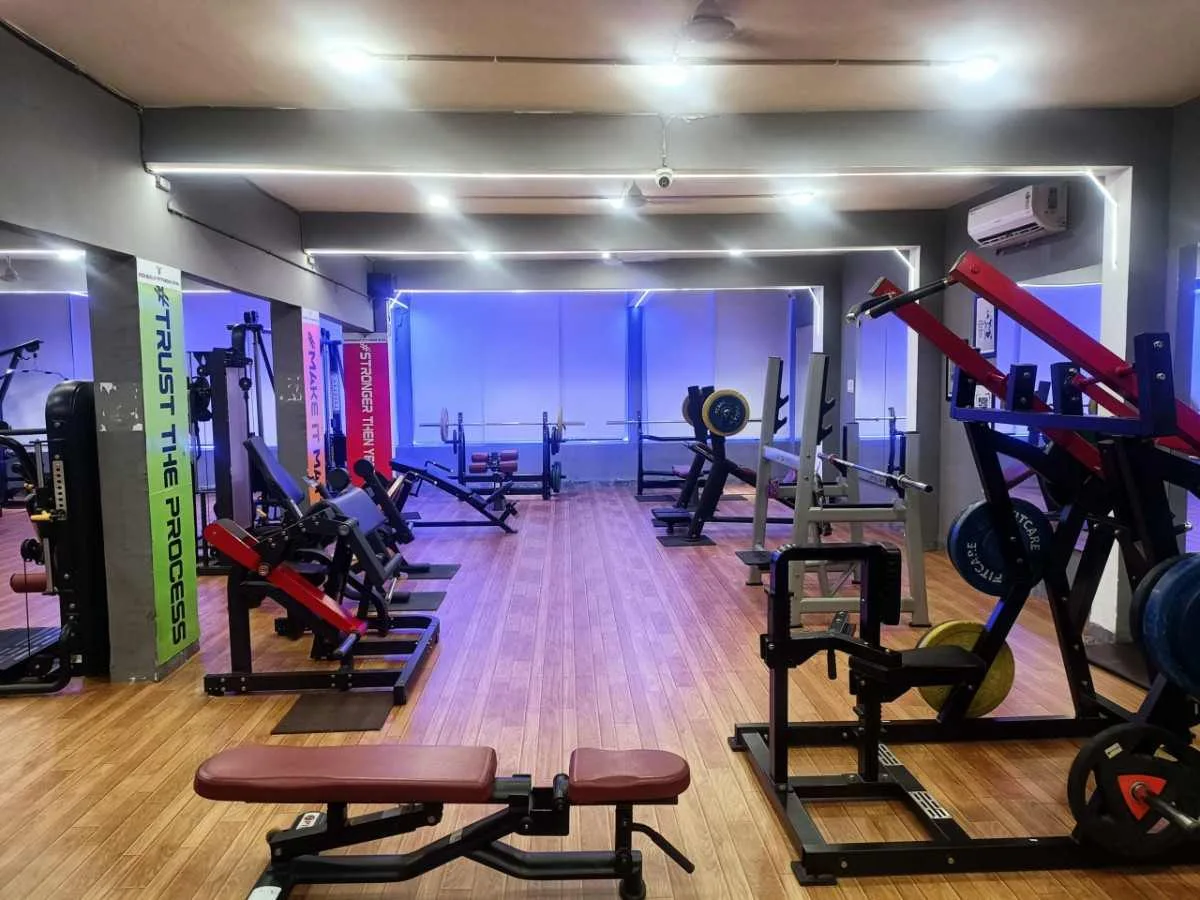
When selecting a gym, consider its location, training environment, available equipment, trainer guidance and suitability for your individual requirements.
For individuals searching for a Weight Loss Gym in Indore, exploring local fitness facilities can help them compare available training options and find a suitable place to begin their fitness journey.
PowerUp Fitness Gym is one of the fitness facilities people can explore when researching gym training options in Indore.
You can learn more about its weight-loss fitness offering here: Weight Loss Gym in Indore – PowerUp Fitness Gym.
Conclusion
Sustainable weight management is a gradual process built around consistent exercise, balanced nutrition and healthy lifestyle choices.
Combining cardiovascular activity with strength training, allowing sufficient recovery and choosing an appropriate fitness environment can help individuals develop a routine they can maintain.
The most effective starting point is not an extreme workout schedule but a realistic plan that supports gradual progress and long-term health.