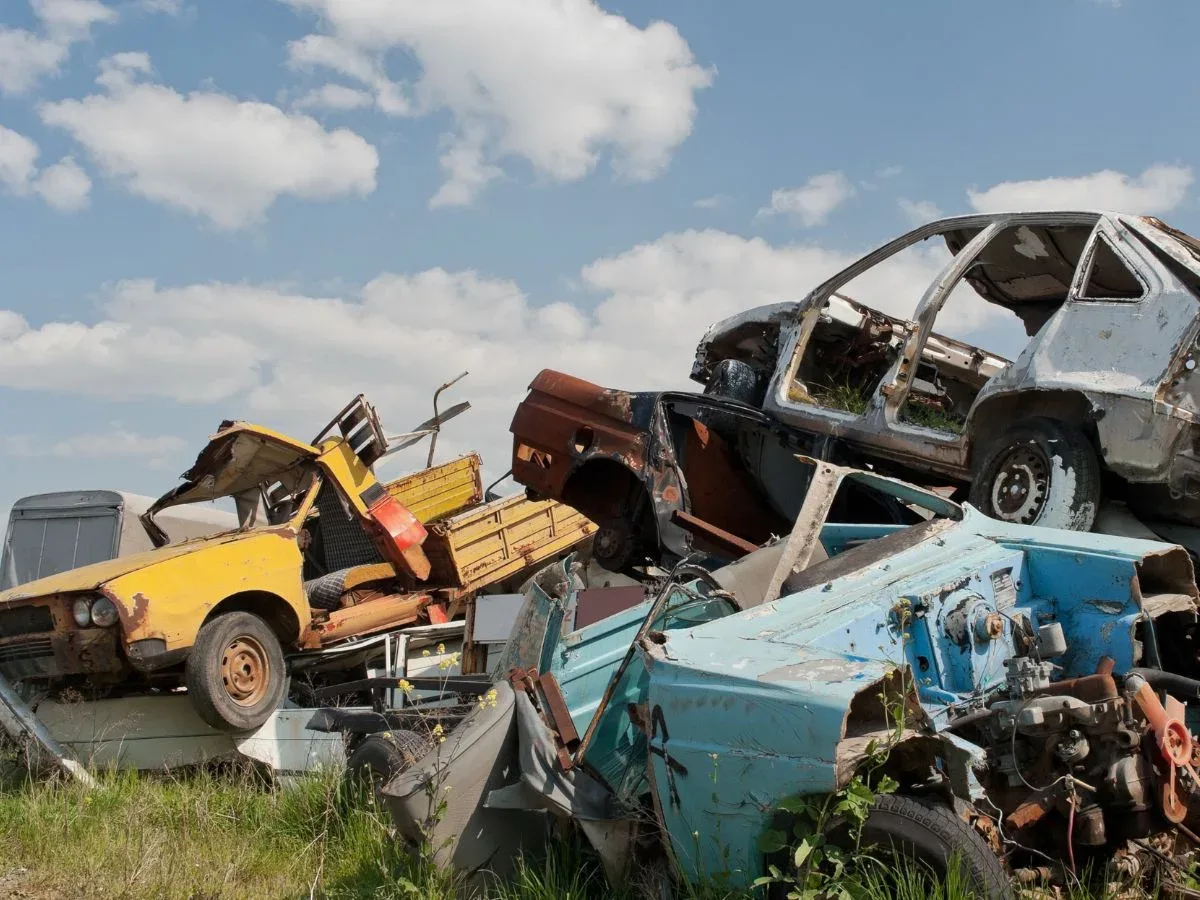
An old car can become a problem when it is no longer worth repairing. Perhaps the engine has failed, the vehicle has been damaged in an accident, or its ongoing maintenance costs have become too high. Whatever the reason, leaving an unused vehicle sitting on your property is not always the best option.
Selling a scrap car can be a practical way to clear space and recover some of its remaining value. However, before making a decision, it helps to understand how scrap vehicles are assessed, what happens during collection and how responsible recycling works.
When Is It Time to Consider Selling a Scrap Car?
Not every vehicle reaches the end of its useful life for the same reason. Some cars become too expensive to repair, while others develop serious mechanical problems that make them unsuitable for regular driving.
Here are a few situations where selling a vehicle for scrap may be worth considering:
- Major engine or transmission problems: Extensive mechanical repairs can sometimes cost more than the vehicle's market value.
- Accident damage: Structural damage or significant collision repairs may make a car uneconomical to restore.
- Age and general wear: Older vehicles can develop repeated mechanical and electrical faults.
- Failed inspections: A vehicle that needs substantial work before it can be driven legally may not be worth repairing.
- Long-term disuse: An unused vehicle can deteriorate over time, particularly if it remains exposed to weather.
The important thing is to compare the likely repair costs with the vehicle's current condition and potential resale or recycling value.
If you are looking to sell an unwanted vehicle in the Grampians, visit to explore your car selling and removal options.
How Is a Scrap Car's Value Determined?
A scrap car is not necessarily worthless. Its remaining value may come from reusable components, recyclable metals and demand for particular replacement parts.
Several factors can influence the amount a buyer offers.
Make, Model and Manufacturing Year
Some vehicle models have greater demand for used replacement parts. Components from popular models may be easier to reuse, depending on their condition and compatibility.
Overall Vehicle Condition
A car with a working engine, transmission or other usable components may have a different value from a vehicle that has suffered extensive damage.
Demand for Spare Parts
Doors, wheels, alternators, radiators, engines and other components may have resale potential if they are suitable for reuse.
Metal and Material Content
Steel, aluminium and other recoverable materials can contribute to a vehicle's scrap value. However, metal prices and recycling costs can change, so the value is not fixed.
For a more accurate assessment, provide the buyer with the vehicle's make, model, year, mileage and an honest description of its condition.
What Should You Check Before Selling?
Choosing a buyer based only on the first price offered can lead to confusion later. It is worth asking a few questions before agreeing to sell.
- Is vehicle collection included in the offer?
- Are there any towing or administrative charges?
- How and when will payment be made?
- What documents or identification are required?
- Who will handle the collection arrangements?
- What happens if the vehicle's condition differs from the original description?
Ask for the agreed price and collection arrangements to be confirmed clearly. This helps avoid misunderstandings when the vehicle is collected.
Preparing Your Vehicle for Collection
A little preparation can make the collection process easier. You do not need to repair or restore a scrap car before selling it, but a few basic checks are worth completing.
Remove personal belongings: Check the glove box, boot, centre console and door compartments for personal items.
Remove important documents: Take out registration papers, insurance documents and any other personal records you want to keep.
Check the vehicle's accessories: If you intend to keep number plates or personal accessories, discuss this before collection.
Describe the vehicle honestly: Tell the buyer about missing parts, accident damage, mechanical faults or any other relevant issues.
Confirm access: If the vehicle is not running, make sure the collection team knows where it is parked and whether there is enough room for a tow truck.
These small steps can help prevent delays and make the handover more straightforward.
Understanding Vehicle Disposal Rules in Victoria
Selling or disposing of a vehicle involves more than simply handing over the keys. Owners should understand their responsibilities under Victorian registration requirements.
VicRoads explains that when a registered vehicle is sold in Victoria, the seller must notify VicRoads within 14 days by completing a Notice of Disposal with the buyer. The process can be completed online through a myVicRoads account.
If you are disposing of a vehicle rather than transferring its registration, VicRoads also provides guidance on cancelling registration, removing number plates and arranging disposal through an auto wrecker or vehicle disposal company.
Why Responsible Car Recycling Matters
Scrap vehicles contain materials that may be recovered and reused instead of being sent directly to landfill. This can include metals, tyres, glass and certain mechanical components.
However, vehicle recycling needs proper handling. Batteries, fuel, engine oil, coolant and other automotive fluids can create environmental risks if they are not managed correctly.
The Environment Protection Authority Victoria provides an Auto Recyclers Guideline covering measures to reduce risks associated with vehicle recycling activities.
For vehicle owners, this is a useful reminder to consider how an unwanted car will be handled after collection. A suitable recycling process can help recover usable components while ensuring hazardous materials are managed appropriately.
About Melbourne Cash For Carz
Melbourne Cash For Carz is a vehicle buying and removal business based in Pakenham, Victoria. The company purchases different types of vehicles, including old cars, scrap vehicles, accident-damaged cars, SUVs, 4WDs, vans, trucks and other unwanted vehicles.
According to its website, the business has been operating since 2012 and offers free vehicle removal across Melbourne. Its process involves requesting a quote, arranging an inspection and collection, and completing the required paperwork and payment arrangements.
Vehicle owners considering scrap cars for cash melbourne can visit Melbourne Cash For Carz to review its services and enquire about selling a vehicle.
Making a Practical Decision About Your Old Car
An unwanted vehicle does not have to remain unused simply because it is no longer suitable for driving. Understanding its condition, checking its possible value and comparing removal arrangements can help you decide whether selling it is the right choice.
Before proceeding, confirm the payment terms, collection details and relevant registration requirements. Taking these steps can make the process clearer and help ensure your old vehicle is handled appropriately.