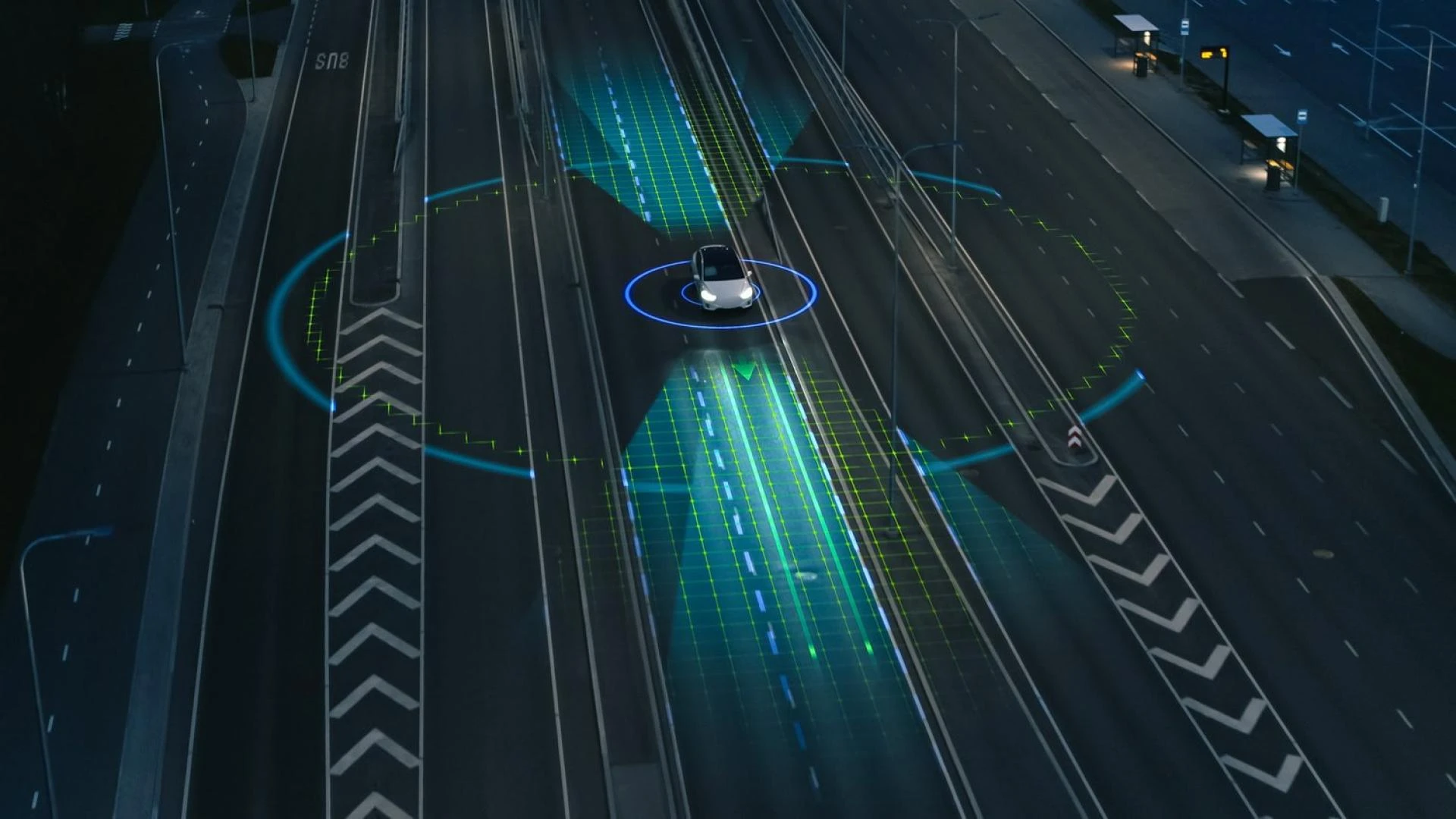
If you drive a newer car, your windshield does more than block wind and rain. It also supports cameras that help your safety systems work. These cameras play a role in features like lane alerts, collision warnings, and cruise control that adjusts to traffic.
When your windshield is replaced, the camera mounted near it can shift slightly. Even a small change can affect how your car sees the road. Many drivers are not told about this step after glass replacement. As a result, they drive without knowing that their safety systems may not be working properly.
This guide explains what can happen if camera calibration is skipped after windshield replacement and why it matters for your safety and peace of mind.
What Can Go Wrong If You Skip Camera Calibration After Windshield Replacement
This section explains common problems drivers face when camera calibration is ignored. These issues may not show up right away, but they can affect how your vehicle responds on the road.
Your safety features may not work the way you expect
Advanced driver assistance systems rely on accurate camera input. If the camera is not aligned correctly, these systems may stop working or respond at the wrong time. You may notice lane warnings that come on when you are centered or alerts that fail to sound when traffic slows.
These systems are designed to support you, not replace you. But they still need correct data to function. Without calibration, the camera may send the wrong information to the system.
You may see warning lights on your dashboard
After windshield replacement, some vehicles display warning lights or messages. These lights often point to camera or sensor issues. If calibration is skipped, the warning may stay on.
In some cases, the vehicle may limit or shut off certain safety features until the issue is fixed. This can be frustrating, especially if you assume the windshield job was fully completed.
False alerts can distract you while driving
A misaligned camera can misread the road. It may detect objects that are not there or miss real ones. This can lead to false alerts while driving.
False alerts can cause stress and distraction. Over time, you may stop paying attention to alerts altogether. That can be risky if a real warning comes up later. Proper calibration helps keep alerts accurate and useful.
Highway driving can feel less stable
On highways, many safety systems work together. Features like adaptive cruise control and lane centering depend on the camera reading the road clearly.
If you do not calibrate camera after windshield replacement, these systems may struggle at higher speeds. You might notice the car drifting within the lane or not responding smoothly to traffic changes. This can make long drives feel tiring and unsafe.
Insurance or repair issues may come up later
Some insurance policies and repair standards require calibration after windshield replacement. If you are involved in an accident and calibration was skipped, this could raise questions.
Having proof of adas recalibration shows that your vehicle was serviced according to manufacturer guidelines. Skipping this step may cause issues during claims or future repairs.
Future diagnostics may take more time
When a camera is not calibrated, it can affect other systems. Technicians may see multiple error codes that all trace back to the same issue.
Fixing the problem later can take more time and cost more. Addressing calibration right after windshield replacement helps avoid repeat visits and extra labor.
Your confidence behind the wheel may drop
When safety features act strange or stop working, it affects how you feel while driving. You may hesitate during lane changes or braking situations.
Knowing your systems are working as intended helps you focus on driving. Calibration helps restore that confidence and keeps your car predictable on the road.
Why calibration should be part of every windshield replacement
Camera calibration is not an extra step. It is part of proper vehicle care for modern cars. Windshield replacement changes the camera's position, even if the glass looks perfect.
Calibration resets the system to match factory settings. It checks angles, distance, and alignment. This process helps ensure your vehicle sees the road the way it should.
Many drivers only learn about calibration after a warning light appears. Taking care of it early saves time and helps avoid safety risks.
In The End!
Skipping camera calibration after windshield replacement can affect more than just warning lights. It can change how your safety systems respond, how confident you feel driving, and how your vehicle handles real road situations.
If you recently replaced your windshield or plan to do so, always ask about calibration. Make sure the service is completed and documented. This step helps protect you, your passengers, and others on the road.
For drivers who want accurate diagnostics and proper system checks, Abel Diagnostic Centers provides calibration services that follow manufacturer standards and help keep your vehicle’s safety systems working as designed.