When people plan a private celebration, they naturally focus on the visible elements: decoration, food, cake, photographs and entertainment. Guests, however, experience the event as a continuous journey.
Their impression begins before the main celebration. It is shaped by how easily they understand where to go, how they are welcomed, where they sit, when food is served and how comfortably the gathering concludes.
This complete sequence is known as guest flow. It connects every stage of an event and can determine whether a celebration feels organised or confusing.
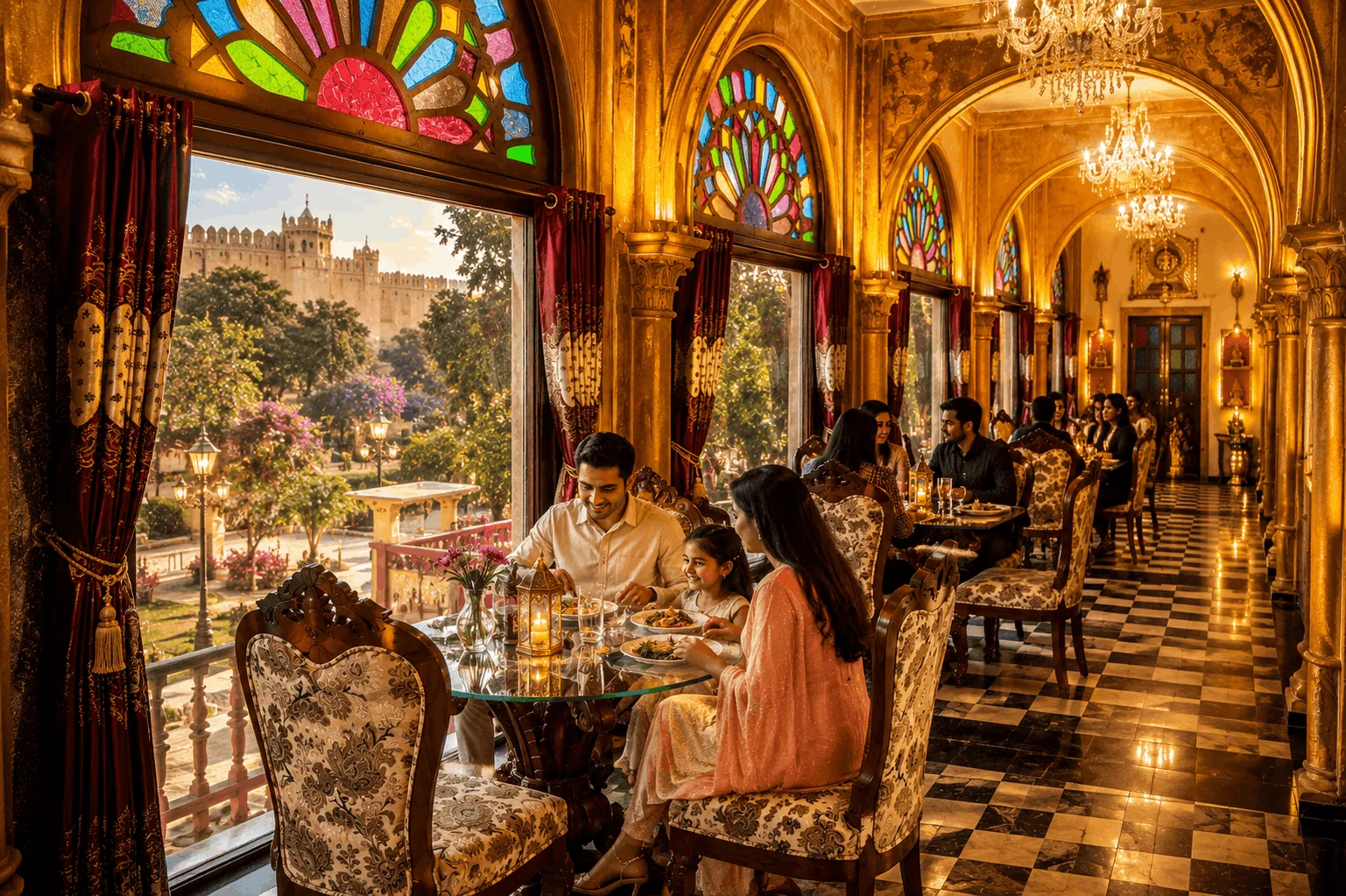
A heritage restaurant experience in Bharatpur can gain greater meaning when its setting, hospitality and event arrangements support the guest journey from entrance to farewell.
What is guest flow at a private event?
Guest flow describes how people move through and experience an occasion.
It includes:
- Arrival
- Welcome
- Orientation
- Seating
- Social interaction
- Food service
- Ceremonial moments
- Photography
- Entertainment
- Departure
Good guest flow does not mean controlling every movement. It means removing avoidable uncertainty so guests can focus on the celebration.
Why does the arrival experience matter?
Arrival establishes the mood of the event.
If guests are uncertain about the entrance, event area or seating arrangement, they may begin the celebration feeling confused. This is especially inconvenient for elderly relatives, families with children and visitors unfamiliar with the location.
Organisers should confirm:
- Correct event date and time
- Location details to share with guests
- Selected area within the property
- Arrival instructions
- Contact person for coordination
- Any accessibility needs
- Parking or vehicle arrangements that require confirmation
- How early hosts should arrive
These details should be communicated before the event rather than solved after guests begin arriving.
How should guests be welcomed?
The welcome should reflect the scale and tone of the gathering.
A small birthday may need only one family member to receive guests. A larger celebration may require a clearly identified host or coordinator who can guide people towards seating.
The welcoming person should know:
- The seating plan
- Location of essential facilities
- Event sequence
- Who can answer venue-related questions
- Whether particular guests need assistance
- Where gifts or personal items should be placed
A warm welcome is not necessarily elaborate. It is effective when guests immediately understand where they belong.
Why is seating more than a decoration decision?
Seating influences conversation, visibility, movement and service.
Families may want senior relatives positioned comfortably, children seated near parents and key guests placed where they can participate in important moments. Service paths must also remain practical.
A seating plan should consider:
- Total confirmed attendance
- Number of children
- Elderly guests
- Family groups
- Visibility of any ceremonial area
- Space for staff movement
- Photography requirements
- Safe and comfortable access
Decorations should never obstruct essential movement or make seating difficult to use.
How should organisers select between indoor, outdoor and rooftop areas?
The setting should match the event rather than being selected only through photographs.
Indoor arrangements may provide greater control over weather and temperature. Outdoor spaces can create an open atmosphere, while rooftop settings may offer a distinctive visual character.
The decision should consider:
- Season and weather
- Time of the event
- Number and age of guests
- Sound requirements
- Decoration plan
- Food-service practicality
- Privacy
- Accessibility
- Availability
Townhall’s relevant options and current suitability should be confirmed directly before invitations are finalised.
How can a heritage setting influence the celebration?
A heritage environment can provide an existing sense of character. It may reduce the need to cover every surface with artificial decoration because the setting already contributes to the visual identity.
Organisers can work with the surroundings through:
- A restrained colour palette
- Focused floral elements
- Warm lighting
- One principal photography area
- Table details that complement the setting
- Decorations that do not conceal architectural features
Any installation, adhesive, lighting or equipment restrictions should be discussed in advance. Heritage character should be respected rather than treated as an unlimited decoration surface.
How can an event retain a family-friendly atmosphere?
Private celebrations often include guests of several generations. The environment should allow children, adults and seniors to participate without forcing everyone into the same type of experience.
A family-oriented heritage dining venue may be particularly useful when an occasion combines dining, conversation and a sense of place.
Organisers should ask:
- Can older guests reach their seats comfortably?
- Are children visible to their parents?
- Is the sound level suitable for conversation?
- Is the event timing practical for families?
- Can guests who do not participate in every activity remain comfortable?
- Is sufficient space maintained for service and movement?
Inclusion is created through these practical decisions.
When should food be served?
Food timing should support the event sequence.
Serving the main meal during an important announcement or ceremony can divide attention. Delaying it excessively can make children restless and leave elderly guests uncomfortable.
Organisers should decide:
- Whether refreshments are needed during arrival
- When the principal ceremony will occur
- When photographs will be taken
- When the main meal should begin
- Whether dessert follows another activity
- How late the event is expected to continue
The schedule should remain flexible enough to accommodate minor delays without disrupting the complete evening.
How should dietary requirements be managed?
Hosts should ask guests about serious allergies or dietary restrictions before the event. These requirements must then be communicated clearly to the restaurant.
Vague phrases can create confusion. Instead of saying someone needs “special food,” organisers should identify the specific ingredient or restriction and confirm what can realistically be prepared.
No accommodation should be promised to a guest until it has been verified with the venue.
Why should photography be included in guest-flow planning?
Photography affects movement more than organisers expect.
If every guest is called to the same location during food service, congestion and delay may result. A better plan identifies:
- Principal group-photo time
- Location for photographs
- Family combinations that are essential
- Space available for equipment
- Whether lighting arrangements are needed
- How photography will avoid interrupting service
Photographs should record the celebration without controlling the entire event.
How can music support rather than dominate a gathering?
Sound should match the purpose of the occasion.
A family dinner may need music that allows conversation. A celebratory segment may support a more energetic atmosphere. Continuous high volume can make interaction difficult, particularly for older guests.
Technical equipment, volume limits, performance arrangements and permitted timings should be confirmed before the event. Organisers should never assume that every setup is automatically allowed.
Why is a backup plan necessary?
Outdoor and rooftop events may be affected by weather, wind or seasonal conditions. A backup plan reduces last-minute confusion.
Hosts should discuss:
- Alternative space availability
- Time needed to change arrangements
- Decoration flexibility
- Equipment protection
- Communication with guests
- Conditions under which the backup decision will be made
A backup plan is not a prediction that something will go wrong. It is part of responsible event preparation.
What should organisers confirm before finalising the event?
Before making commitments to guests or vendors, confirm:
- Date and timing
- Expected attendance
- Selected event space
- Menu arrangements
- Decoration permissions
- Music and technical requirements
- Seating plan
- Weather alternative
- Payment schedule
- Cancellation or amendment terms
The private event setting at Townhall should be discussed according to the actual occasion because arrangements and availability can differ.
How should the celebration conclude?
A comfortable farewell requires planning too.
Hosts should consider how elderly guests will depart, whether transport needs coordination and when final photographs or announcements will occur. Bills and vendor responsibilities should be handled without creating visible confusion for guests.
The objective is a natural conclusion rather than an abrupt ending. Guests should leave understanding that the occasion has been thoughtfully completed.
Final Thoughts
A private celebration is not one central ceremony surrounded by unrelated details. It is a continuous guest journey.
Arrival, welcome, seating, dining, photography, entertainment and departure influence one another. If these stages are planned separately, the event may look attractive but feel disorganised.
Thoughtful guest flow allows the host to spend less time solving problems and more time participating in the occasion. That is what transforms a decorated venue into a genuinely welcoming celebration.