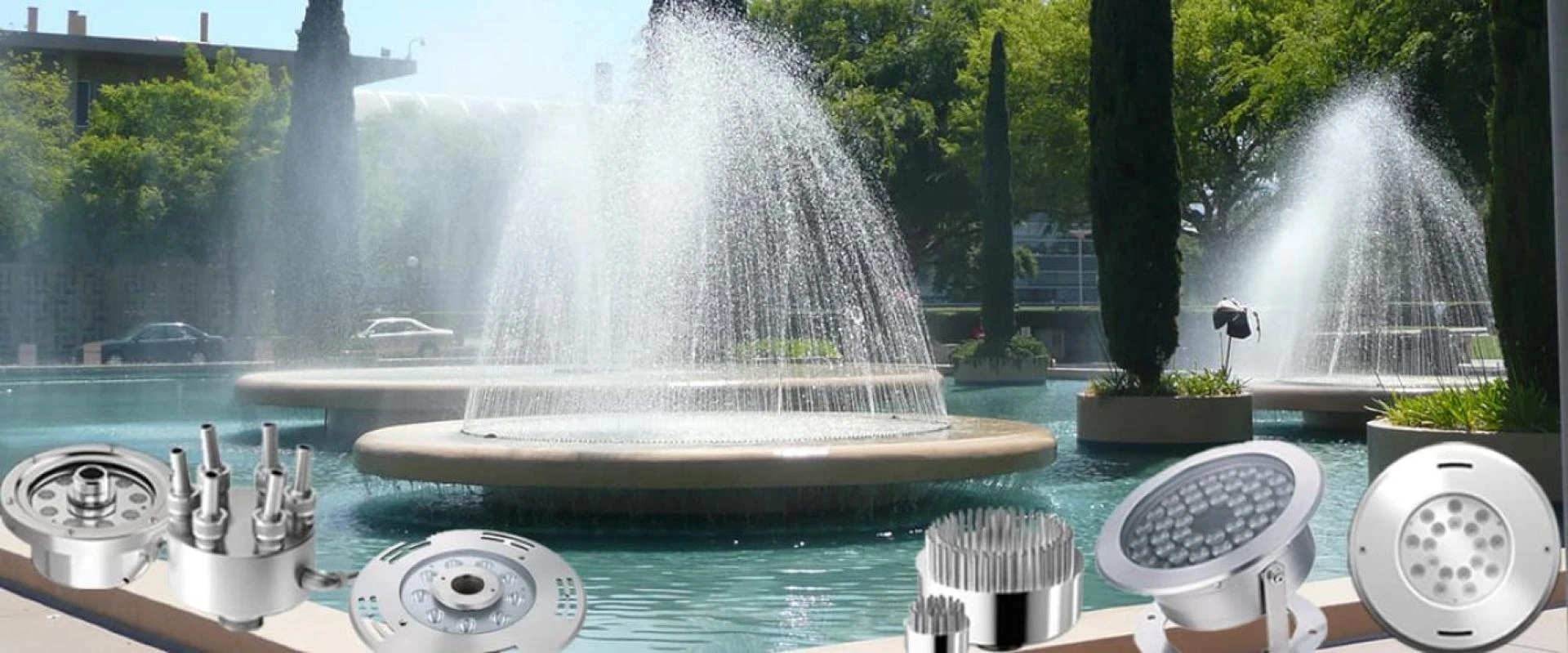
A beautifully designed fountain is often admired for its graceful water patterns, soothing sound, and visual charm. However, behind every stunning display lies a carefully chosen nozzle. While it may appear to be a small component, the nozzle plays a major role in defining the height, shape, and movement of water. Selecting the right option ensures durability, efficiency, and the desired visual effect, making it a key decision in any fountain project.
Understanding the Basics of Fountain Nozzles
A nozzle controls how water exits the fountain system and shapes the overall water pattern. Different designs create different visual effects, from tall vertical jets to soft, umbrella-style sprays. The structure of the nozzle directly affects how water is distributed, how smooth the stream looks, and how well it maintains consistency in flow. Understanding these fundamentals helps designers and project planners build water features that perform reliably over time.
Type of Water Display You Want to Create
Every fountain begins with a vision. Some projects aim for peaceful, gentle flows, while others focus on dramatic, high-impact water effects. The type of display determines the style of nozzle required. For example, soft results suit fan-style outputs, while bold displays benefit from strong jet-style outputs. Defining the intended effect early helps prevent costly modifications later.
Water Pressure and Flow Rate Requirements
Water pressure is a critical factor that directly affects spray height and clarity. A nozzle that does not match the pump’s capacity may cause weak water patterns or unwanted splashing. Flow rate must be carefully balanced to maintain consistency and create stable visual results. Mismatched systems often lead to uneven sprays and frequent maintenance issues, making this technical step essential in the selection process.
Fountain Size and Installation Space
The size of the fountain basin and surrounding area greatly influences nozzle selection. Larger spaces allow for wider spray patterns and taller water displays. Smaller fountains require precise control to prevent water loss and overspray. Outdoor installations must also consider wind direction and obstacles. Proper spacing ensures better symmetry and long-lasting visual appeal.
Material and Build Quality of the Nozzle
The durability of a nozzle depends largely on the material used in its construction. Stainless steel, brass, and bronze are popular due to their resistance to rust and corrosion. High-quality finishes improve aesthetic appeal while also protecting against wear and tear. Choosing strong materials reduces replacement frequency and keeps long-term maintenance costs under control.
Water Source and Quality Considerations
The quality of the water running through the system plays a huge role in nozzle lifespan. Hard water and recycled water often contain minerals and debris that can clog openings. Installing filters and strainers extends operational life and preserves performance. At this stage, many designers specifically evaluate the compatibility of water fountain nozzles to ensure stable long-term results under varying water conditions.
Maintenance and Ease of Cleaning
Maintenance is a practical factor that is often overlooked. Nozzles that are difficult to remove or clean tend to accumulate dirt, algae, and mineral deposits quickly. Choosing designs that are easy to disassemble and reattach allows for regular servicing. Routine cleaning ensures that the water pattern remains smooth, consistent, and visually appealing over time.
Energy Efficiency and Water Consumption
Modern fountain projects increasingly focus on sustainability. Nozzle design can influence how efficiently water is used and how much energy the pump consumes. Efficient designs minimize splash loss and maintain strong visual output with lower flow rates. This not only reduces operating costs but also supports environmentally responsible water management.
Lighting Compatibility and Visual Enhancement
Lighting can dramatically enhance the beauty of a fountain, especially at night. The interaction between water movement and light reflections plays a major role in the final effect. Nozzles that create uniform and well-defined streams reflect light more effectively. Selecting the proper structure ensures that colored LED or underwater lighting systems perform at their best.
Budget Considerations Without Compromising Quality
Budget planning is an important part of any project. While low-cost options may seem attractive, they often result in frequent repairs or early replacement. It is more practical to invest in reliable pool equipment that offers long-term performance. At this level, evaluating the durability of fountain nozzles helps maintain balance between cost, quality, and performance.
Climate and Environmental Conditions
Environmental conditions strongly influence nozzle performance. Wind can distort spray patterns, while extreme temperatures can impact water pressure and material stability. Dust, pollution, and seasonal changes must be considered, especially for outdoor fountains. Selecting weather-resistant designs helps ensure stable performance throughout the year.
Safety and Compliance Factors
Safety should never be overlooked in fountain design. Excessive spray height can create slippery surfaces and pose risks for visitors. Electrical safety becomes important when lighting systems are involved. Compliance with local safety standards helps avoid accidents and protects both users and property.
Customization and Future Upgrades
Flexibility is valuable in long-term fountain installations. Adjustable nozzles allow changes in spray patterns without major structural modifications. Modular designs make it easier to upgrade systems in the future. In this context, selecting a versatile water fountain nozzle supports creative freedom and future expansion.
Common Mistakes to Avoid When Selecting Fountain Nozzles
Many people make the mistake of focusing only on appearance while ignoring technical compatibility. Skipping proper pump matching, ignoring water quality, and underestimating maintenance needs can lead to operational problems. Avoiding these mistakes helps maintain performance and reduces unexpected expenses.
Conclusion
Selecting the right nozzle is about balancing performance, durability, visual appeal, and efficiency. Each factor, from water pressure to material quality, plays a role in achieving long-lasting results. As Blurain, we focus on creating reliable water feature solutions and understand the importance of thoughtful selection in every fountain project.